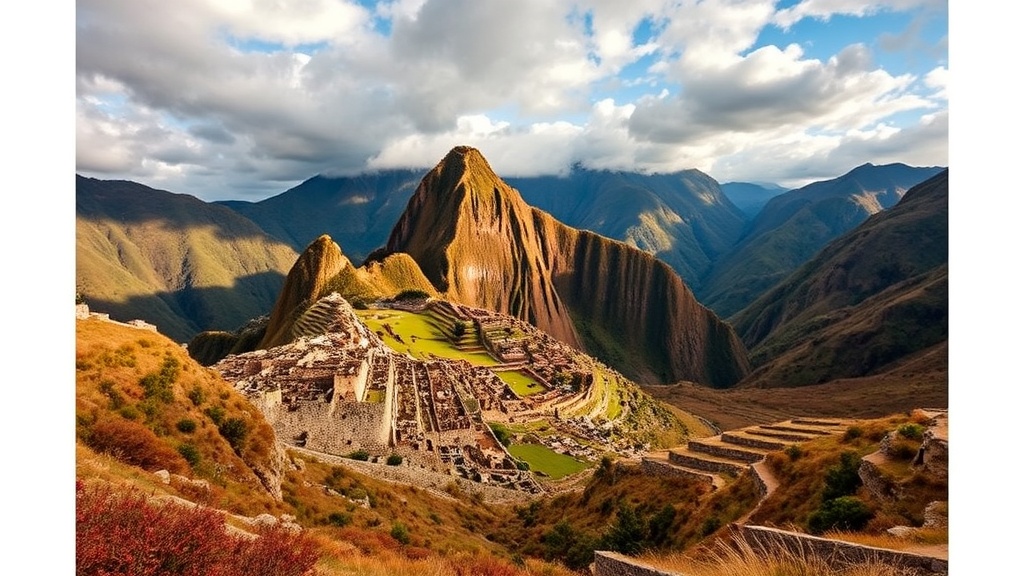
Why You Should Visit the Sacred Valley in Peru

At 2,879 meters above sea level, the Urubamba River carves a wide, fertile valley through the Andes, creating a microclimate that is significantly warmer and more stable than the high-altitude plateau of Cusco. This geographic reality makes the Sacred Valley of Peru a strategic base for travelers looking to acclimate before tackling higher treks like the Inca Trail. This post examines the logistical, cultural, and geographical reasons why the Sacred Valley is a mandatory stop for any Andean itinerary, focusing on specific towns, archaeological sites, and practical transit data.
The Strategic Advantage of Altitude Gradation
One of the most common mistakes travelers make when visiting the Cusco region is flying directly into Cusco (CUZ) and attempting high-altitude treks immediately. The Sacred Valley offers a tiered approach to altitude. While Cusco sits at approximately 3,400 meters, towns like Urubamba and Ollantaytambo sit between 2,700 and 2,800 meters. Staying in the valley for the first two to three nights allows the body to produce more red blood cells and adjust to lower oxygen levels without the acute physical stress found at higher elevations.
For travelers managing a tight itinerary, this altitude buffer is a practical insurance policy against Acute Mountain Sickness (AMS). When planning your route, consider booking your first two nights in a hotel in the Urubamba or Yucay area rather than Cusco. This transition is a documented method for improving physical readiness for the high-altitude demands of Machu Picchu or the Salkantay Trek.
Essential Stops: Archaeological and Agricultural Engineering
The Sacred Valley is not merely a scenic corridor; it is a masterclass in pre-Columbian agricultural engineering. The Inca civilization utilized the valley's varied topography to create specialized microclimates for different crops. To understand this, you must visit specific sites that demonstrate these technical achievements.
Moray: The Agricultural Laboratory
Located near the salt mines of Maras, Moray consists of several large, circular depressions or terraces. These terraces were not just for farming; they were an experimental station. The temperature difference between the top and bottom terraces can be as much as 15°C (27°F). This allowed the Incas to test how different crops, such as maize and various strains of potatoes, reacted to different thermal environments. When visiting, look for the precision of the stone walls that maintain these thermal gradients.
Ollantaytambo: A Living Inca Town
Ollantaytambo serves as both a massive archaeological site and a functional town. The fortress at the top of the valley features megalithic stones—some weighing over 50 tons—that were moved through precise engineering. Unlike many archaeological sites that are purely ruins, the town of Ollantaytambo maintains the original Inca street layout. The stone channels used for water management still function today, directing water through the streets. It is also a primary transit hub for the train to Aguas Calientes (Machu Picchu Pueblo), making it a vital logistical stop.
Pisac: Markets and Terraces
Pisac is divided into two distinct areas: the archaeological site and the local market. The ruins above the town feature extensive agricultural terraces that demonstrate the scale of Inca land management. Below, the market is a primary location for purchasing high-quality textiles. When shopping, look for textiles made from alpaca or vicuña wool; these are high-performance natural fibers that are essential for temperature regulation in the Andes. If you are planning a long-term journey, you may want to read our guide on how to pack a carry-on for a two-week trip to ensure you have the right gear for these varying mountain temperatures.
Logistical Framework: Getting Around the Valley
Navigating the Sacred Valley requires understanding the different modes of transport available, as the terrain is rugged and public transport can be unpredictable for international visitors.
- Colectivos: These are shared minivans that run frequently between major towns like Urubamba, Pisac, and Ollantaytambo. They are the most cost-effective method of travel, but they do not follow a strict schedule and can be crowded.
- Private Drivers: For travelers on a strict timeline or those visiting multiple sites in one day (such as the Maras/Moray circuit), hiring a private driver is the most efficient option. This allows you to control the pace and ensures you reach sites before the heavy crowds arrive.
- The PeruRail/Inca Rail: This is the primary way to reach Machu Picchu from the valley. Most travelers take a train from Ollantaytambo or Poroy. It is critical to book these tickets weeks, if not months, in advance, as capacity is strictly limited.
The Practicality of the Microclimate
The weather in the Sacred Valley is highly seasonal, following a distinct wet and dry pattern. Understanding this is essential for packing and activity planning.
The Dry Season (May to September): This is the peak tourist season. Days are clear and sunny, but the temperature drops significantly at night. You can expect daytime highs of 20°C (68°F) and nighttime lows near freezing. This is the ideal time for trekking and photography, but you must be prepared for high UV exposure. Packing a high-quality camera is recommended here, as the light in the dry season provides high-contrast shadows that can be challenging for entry-level sensors.
The Wet Season (November to March): During these months, heavy afternoon rains are common. While the landscape is much greener, the logistics of trekking become more difficult due to mud and potential trail closures. If you visit during this time, ensure your footwear is waterproof and that your itinerary includes "buffer days" in case of transit delays caused by weather.
Culinary Geography: What to Eat and Where
The Sacred Valley is a center for Andean gastronomy, focusing on ingredients that are grown in the immediate vicinity. This "farm-to-table" reality is not a trend here; it is a necessity of the geography. When dining, look for these specific regional staples:
- Quinoa and Kiwicha: These high-protein pseudocereals are staples of the local diet and are often served in soups or as side dishes.
- Corn (Maíz): The large-kernel corn found in the Sacred Valley is distinct from the smaller varieties found in other parts of Peru. It is often roasted or used in traditional stews.
- Alpaca Meat: A lean, high-protein meat that is widely available in local markets and higher-end restaurants in Urubamba.
For a more structured dining experience, Urubamba has several high-end establishments that specialize in "Novoandina" cuisine—a fusion of traditional Andean ingredients with modern culinary techniques. This is an excellent way to experience local flavors in a controlled, professional environment.
Essential Packing List for the Sacred Valley
Because you will experience significant temperature swings within a single 24-hour period, your packing strategy must prioritize layering. A single heavy jacket is less effective than multiple thin layers.
- Base Layers: Moisture-wicking synthetic or merino wool shirts to manage sweat during active hiking.
- Mid-Layers: A fleece or lightweight down jacket for when the sun sets.
- Outer Shell: A high-quality waterproof rain jacket is non-negotiable, regardless of the season.
- Footwear: Broken-in hiking boots with good ankle support. The terrain in sites like Ollantaytambo involves steep, uneven stone steps.
- Sun Protection: High SPF sunscreen, polarized sunglasses, and a wide-brimmed hat. The UV index at these altitudes is exceptionally high.
By treating the Sacred Valley as a functional part of your journey—rather than just a scenic backdrop—you can optimize your physical acclimatization, improve your logistical efficiency, and gain a deeper understanding of the technical brilliance of the Inca civilization.