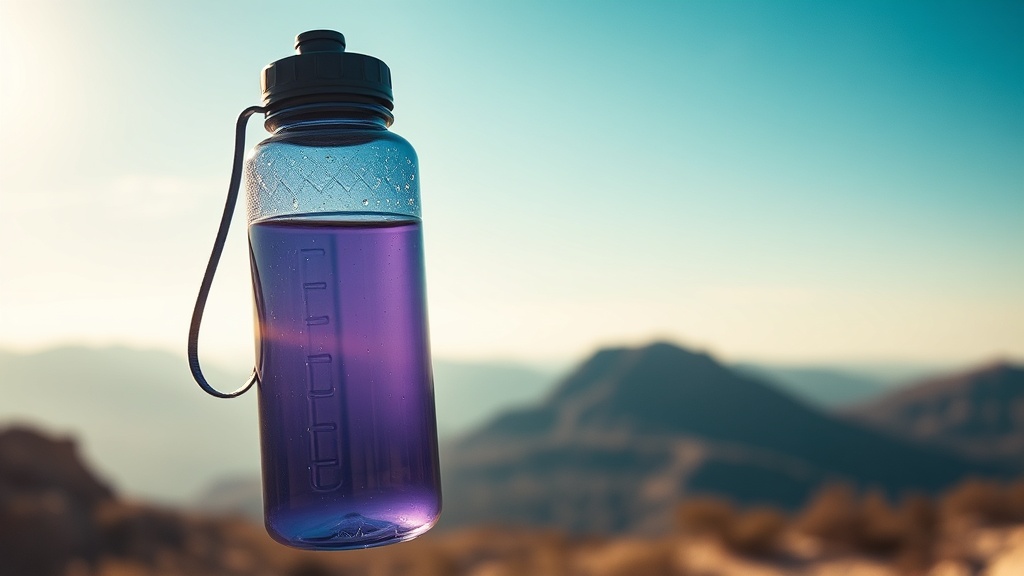
Why You Should Always Carry a Reusable Water Bottle

Quick Tip
Investing in a high-quality reusable bottle saves money and significantly reduces single-use plastic waste.
Why You Should Always Carry a Reusable Water Bottle
Have you ever calculated how much you spend on single-use plastic bottles during a single week-long trip? Carrying a reusable water bottle is one of the most effective ways to reduce your travel overhead, minimize your environmental footprint, and ensure consistent hydration. This practice is not just a personal preference; it is a strategic tool for more efficient travel planning.
Cost Savings and Budgeting
In many popular tourist destinations, the price of bottled water is significantly marked up compared to local tap water. For example, if you are navigating a city like Mexico City, purchasing small plastic bottles at convenience stores can quickly add up. Instead of frequenting kiosks, you can fill your bottle at water stations or filtered fountains. This allows you to redirect those funds toward higher-value experiences, such as a guided tour or a local meal, rather than disposable packaging.
Environmental Impact and Sustainability
Travelers often overlook the sheer volume of plastic waste generated in remote or sensitive ecosystems. When visiting high-traffic natural areas, such as when you plan a sustainable trek through Patagonia, the impact of discarded single-use plastics on local wildlife and soil can be devastating. A high-quality, insulated bottle prevents hundreds of plastic bottles from entering the waste stream over your lifetime of travel.
Practical Selection Tips
Not all bottles are created equal for different climates and terrains. When choosing your gear, consider these three specific criteria:
- Insulation: If you are traveling to high-heat destinations, choose a vacuum-insulated stainless steel bottle like a Hydro Flask or YETI. These can keep water cold for up to 24 hours, even in direct sunlight.
- Weight and Durability: For long-distance hiking or light backpacking, a lightweight BPA-free plastic bottle or a collapsible silicone bottle (such as those made by Sea to Summit) will save space in your pack.
- Filtration: In regions where tap water is not potable, carry a bottle with an integrated filter, such as a Grayl or LifeStraw. This allows you to safely drink from almost any tap or stream without buying more plastic.
Safety and Hygiene
Carrying your own bottle also provides a layer of control over your hydration. When you rely on a filtered bottle, you are not dependent on the availability or the hygiene standards of local vending machines. This is particularly useful in transit hubs like airports or train stations where access to clean water can be inconsistent or expensive.