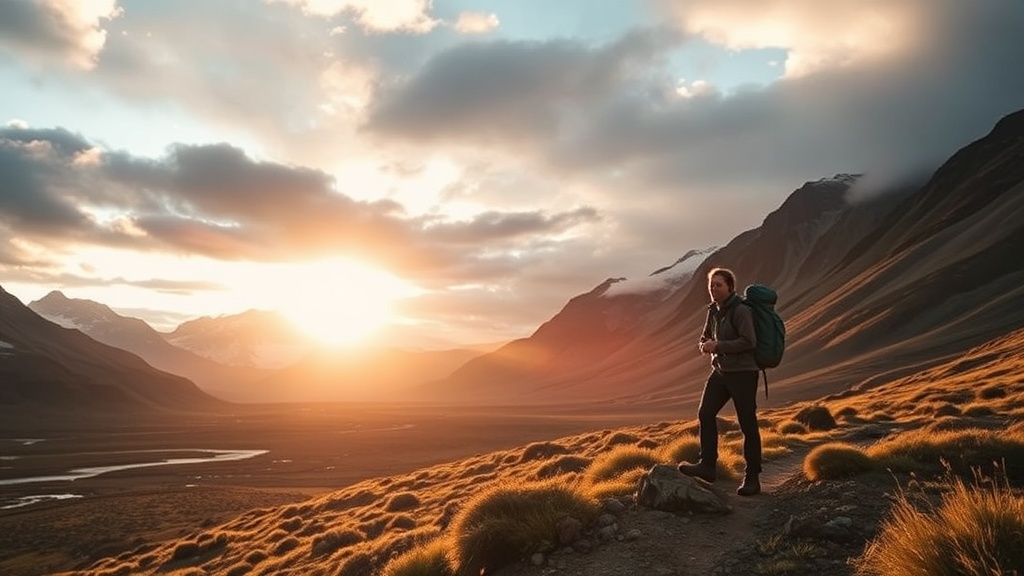
How to Plan a Sustainable Trek through Patagonia

Granite spires like the Torres del Paine needles pierce a sky that shifts from bruised purple to bright cerulean in minutes. On the ground, the wind in the Southern Patagonian Ice Field can reach speeds of 100 kilometers per hour, a force that dictates everything from how you walk to how you pack. Planning a trek through this region of Chile and Argentina requires more than just physical stamina; it requires a rigorous logistical framework to ensure your presence does not degrade the fragile ecosystems of the Andes. This guide provides a data-driven approach to planning a sustainable trek, focusing on seasonal timing, gear selection, and waste management protocols.
Determine Your Trekking Window
Patagonia does not have a single "high season," but rather distinct windows of weather volatility. To minimize your environmental footprint and maximize safety, you must align your arrival with specific meteorological patterns.
- The Austral Summer (December to February): This is the most popular window, offering the longest daylight hours. However, it also sees the highest density of trekkers. High foot traffic leads to soil compaction and erosion on popular routes like the W-Trek. If you choose this window, book your campsites at least six months in advance through official channels like Las Torres or Vertice to prevent unregulated camping.
- The Shoulder Seasons (October/November and March/April): These months offer lower temperatures and higher wind risks, but significantly fewer people. Traveling during these periods reduces the strain on local infrastructure and provides a more isolated experience.
- The Winter (May to September): Most traditional trekking routes in Torres del Paine close or become extremely restricted. This is not recommended for anyone without advanced mountaineering certification and professional guides.
Select a Route Based on Impact and Intensity
Not all treks are created equal. The level of infrastructure available determines how much "leave no trace" discipline you must exercise. Choosing a well-managed route often results in a lower individual impact because the waste management systems are already in place.
The W-Trek (Torres del Paine, Chile)
The W-Trek is the most heavily trafficked route in Patagonia. Because it is highly regulated, the environmental impact is concentrated around specific hubs. If you choose this route, stay exclusively in designated campsites. The use of permanent tent platforms helps prevent the destruction of native flora. This route is ideal for those who want a structured experience with access to refugios (mountain lodges) for meals, which reduces the need to carry heavy, single-use food packaging.
The O-Circuit (Torres del Paine, Chile)
The O-Circuit encompasses the W-Trek but continues around the back of the mountain range. It is longer, more difficult, and less crowded. Because there are fewer services, you must be more self-sufficient. This requires a higher level of planning regarding food weight and waste disposal, as you will be further from established disposal points.
El Chaltén and Fitz Roy (Argentina)
Located in Los Glaciares National Park, El Chaltén offers several day-hiking options that are less intensive than multi-day treks. This is a strategic choice for travelers looking to minimize their long-term footprint by staying in a central hub and utilizing established trails. The infrastructure here is excellent, but the popularity of the Fitz Roy view requires strict adherence to marked paths to prevent trail widening.
Sustainable Gear and Packing Logistics
In Patagonia, your gear is your life support system. The goal is to carry high-quality, durable items that reduce the need for replacement and minimize the weight of your pack, which in turn reduces physical strain and the likelihood of trail accidents.
The Layering System
The weather can transition from sun to sleet in under thirty minutes. A rigid three-layer system is the industry standard for a reason:
- Base Layer: Use moisture-wicking merino wool (such as Icebreaker or Smartwool). Avoid cotton entirely; once cotton gets wet from sweat or rain, it loses all insulating properties and stays wet, increasing the risk of hypothermia.
- Mid Layer: A fleece or a lightweight "puffy" jacket (synthetic insulation like PrimaLoft is often better than down in high-humidity environments) to trap body heat.
- Outer Shell: A high-quality GORE-TEX or similar waterproof/breathable shell. This is your primary defense against the relentless Patagonian wind.
Waste and Water Management
One of the most significant environmental impacts in Patagonia is the introduction of non-biodegradable waste. To mitigate this, implement the following protocols:
- Eliminate Single-Use Plastics: Instead of carrying multiple plastic water bottles, use a single high-durability bottle or a hydration bladder (like HydraPak). The water in Patagonian glacial streams is generally high-quality, but you should always use a filtration system like a Sawyer Squeeze or Katadyn BeFree to ensure safety and avoid biological contaminants.
- Pack It In, Pack It Out: This applies to everything—including organic waste like orange peels or apple cores. While they are "natural," they do not decompose quickly in the cold Patagonian climate and can attract wildlife to human paths.
- Biodegradable Hygiene: If you are camping in remote areas, use biodegradable soaps (like Dr. Bronner’s) and ensure you are at least 200 feet away from any water source when using them.
Logistical Planning and Local Integration
A sustainable trip extends beyond the trail and into how you interact with the local economy. High-impact tourism often bypasses local communities in favor of international conglomerates. To ensure your money supports the region, consider these steps:
Book Local Guides: Instead of booking through massive international agencies, seek out local trekking companies based in Puerto Natales or El Chaltén. These guides possess granular knowledge of the terrain and have a direct stake in the preservation of their home. They also provide essential safety information regarding wind speeds and trail conditions.
Transport Efficiency: If you are traveling between multiple destinations, such as moving from Torres del Paine to El Calafate, utilize the established bus networks rather than private car rentals. This reduces the carbon footprint per traveler and supports the public transit infrastructure of the region.
Respecting Wildlife Boundaries: Patagonia is home to guanacos, rheas, and the elusive puma. Never approach wildlife for a photo. Use a telephoto lens to capture images from a distance. Feeding animals—even small birds—is strictly prohibited and can lead to behavioral changes that make them vulnerable to humans or road accidents.
Pre-Departure Checklist
Before you depart, verify your itinerary against these three data points:
- Permit Verification: Have you secured your campsite reservations? In many parts of Patagonia, you cannot simply "show up" and camp.
- Weight Audit: Is your pack under 15kg (33 lbs) for a multi-day trek? Excess weight leads to faster fatigue and higher risk of injury on technical terrain.
- Weather Intelligence: Do you have a reliable app for mountain weather, such as Windy.com, to monitor real-time wind gusts and pressure changes?
By treating your trek through Patagonia as a technical operation rather than a casual hike, you ensure both your safety and the longevity of the landscape. The rigor you apply to your planning is the most effective tool for sustainable travel.
Steps
- 1
Research Eco-Friendly Lodging
- 2
Pack Zero-Waste Essentials
- 3
Follow Leave No Trace Principles
- 4
Book Local Guides and Services