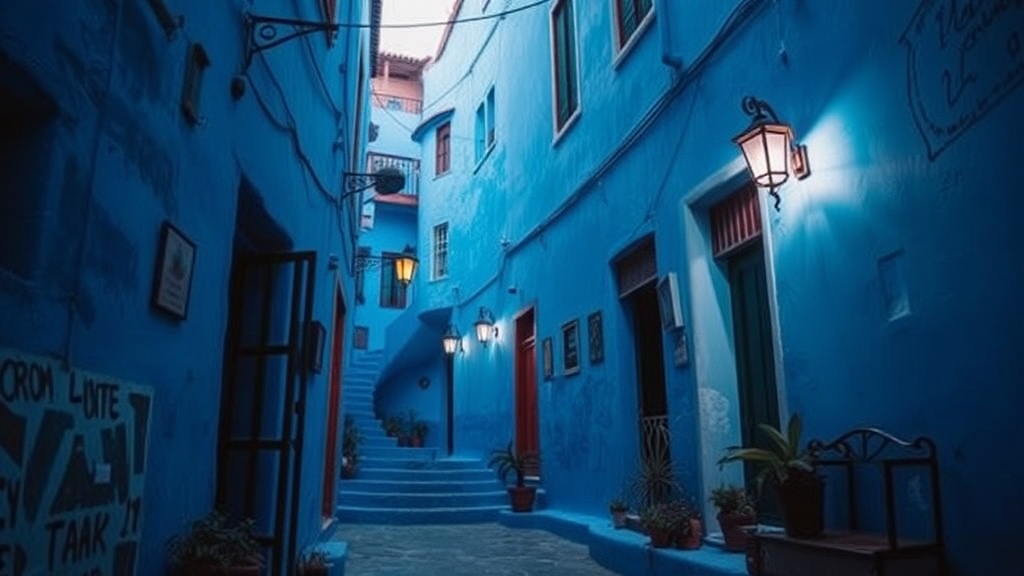
Lost in the Blue Alleys of Chefchaouen

A single step onto the cobblestones of the Chefchaouen medina reveals a spectrum of azure, cerulean, and cobalt. The walls aren't just painted; they are saturated, creating a cooling effect against the North African sun. This guide breaks down the logistics of visiting the "Blue Pearl" of Morocco, focusing on the timing of your arrival, the topography of the winding alleys, and the practicalities of staying in a traditional riad. We’re looking at the actual mechanics of the trip—what to pack, how to move through the streets, and how to manage expectations regarding the crowds.
The blue pigment serves a dual purpose. While it provides a striking visual aesthetic, it also serves a functional role in repelling mosquitoes and keeping the interiors of homes cool during the heat of the day. It's a practical solution disguised as art.
When is the Best Time to Visit Chefchaouen?
The best time to visit Chefchaouen is during the spring (April to June) or the autumn (September to November) to avoid both the intense summer heat and the winter chill. During these shoulder seasons, the temperature remains comfortable for walking the steep, uneven stairs of the medina. If you visit in July or August, be prepared for high temperatures that can make the uphill climbs quite taxing.
Temperature data from the official geographic records of the Rif Mountains shows that the climate is significantly different from the coastal heat of Casablanca. You'll find a much more temperate, mountainous air. This means your packing list needs to be versatile. Even in summer, the evenings can get cool once the sun dips behind the mountains.
Seasonal Breakdown:
- Spring (March-May): Mild weather, blooming flora, and perfect for hiking the nearby Talassemtane National Park.
- Summer (June-August): Hot days and warm nights; great for those who don't mind a bit of sweat.
- Autumn (September-November): Golden light and decreasing crowds; highly recommended for photographers.
- Winter (December-February): Cool to cold; the chance of rain is higher, and the mountains may see snow.
How Much Does a Trip to Chefchaouen Cost?
A budget-friendly trip to Chefchaouen typically costs between $40 and $70 per day per person, depending on your choice of accommodation and dining. This estimate includes a mid-range riad stay, local meals, and local transport. To give you a clearer picture, I've broken down the average costs of common expenses below.
| Expense Category | Budget (USD) | Mid-Range (USD) | Luxury (USD) |
|---|---|---|---|
| Daily Meal (Local) | $10 - $15 | $25 - $40 | $60+ |
| Riad/Hotel (Per Night) | $30 - $50 | $80 - $150 | $250+ |
| Coffee/Tea (Per Cup) | $1.50 | $3.00 | $5.00+ |
If you're staying in a traditional riad, you'll notice the price fluctuates based on the courtyard size and the level of service. A basic room in the medina might only cost $35, but it won't have the amenities of a modern hotel. It's worth noting that many riads offer incredible rooftop terraces that are perfect for watching the sunset. I've found that paying an extra $20 a night for a view of the mountains makes the stay far more memorable.
For those traveling from Tangier or Fes, the CTM bus is a reliable and inexpensive way to reach the city. The buses are punctual and provide a much more comfortable ride than the local grand taxis. You can check schedules on the CTM official website to plan your transit ahead of time.
What Should I Pack for the Blue City?
You should pack lightweight, breathable fabrics and sturdy walking shoes with good grip. The streets of Chefchaouen are notoriously steep and the cobblestones can be slippery, especially if it has recently rained. Forget the flimsy sandals; you'll want something with actual support.
Because the medina is a labyrinth of narrow passages, you won't be able to carry heavy luggage through the streets easily. If you're staying in a riad deep within the city, a backpack or a small rolling suitcase is much easier to manage than a massive trunk. I've seen many travelers struggle with large suitcases on the stairs—it's a mistake you don't want to make.
Essential Packing List:
- Sturdy Walking Shoes: Think Teva sandals or lightweight hiking shoes.
- Modest Clothing: Shoulders and knees should be covered to respect local customs. A linen shirt and loose trousers are ideal.
- A Lightweight Scarf: Useful for sun protection or as a light layer in the evening.
- Portable Power Bank: Between GPS and taking photos of the blue walls, your battery will drain fast.
- Reusable Water Bottle: Staying hydrated is vital in the mountain air.
A quick tip on attire: while the city is quite tourist-friendly, it remains a traditional Moroccan town. You'll feel much more comfortable and respected if you opt for clothing that isn't overly revealing. This isn't just about etiquette; it's about blending in and being mindful of the local culture. If you're used to the breezy, coastal vibes of a place like Lisbon, you'll find the atmosphere here more grounded and traditional. For more on navigating different cultural settings, see my guide on navigating local markets without a map.
The topography of the city is its most defining feature. Every "street" is essentially a staircase. If you're looking for a workout, you've certainly found it. The climb up to the Spanish Mosque (rather a small hill, really) offers the best view of the entire blue valley, but it requires a bit of stamina. I'd recommend heading up about 45 minutes before sunset to get the best light for photos.
One thing to keep in mind is the sensory input. The smell of fresh bread from the communal ovens, the sound of call to prayer echoing through the valley, and the bright, almost dizzying blue of the walls—it's a lot to process at once. It's not a place to rush through. If you try to "do" Chefchaouen in a single day, you'll miss the texture of it. The goal isn't to see everything; it's to feel the rhythm of the place.
The light changes everything here. In the early morning, the blue is soft and muted. By midday, the sun hits the walls and the color becomes almost electric. If you're a photographer, you'll want to be out by 6:00 AM to catch that soft, ethereal light before the crowds arrive. By 11:00 AM, the streets are bustling with vendors and tourists, and the light becomes much harsher.
Don't be afraid to get lost. In fact, you should plan to. The beauty of the medina is in the dead ends and the unexpected courtyard views. Every time you think you've found your way out, you'll turn a corner and find yourself in a new shade of blue. It's a beautiful way to spend an afternoon, provided you have a sense of direction (or at least a decent map on your phone).