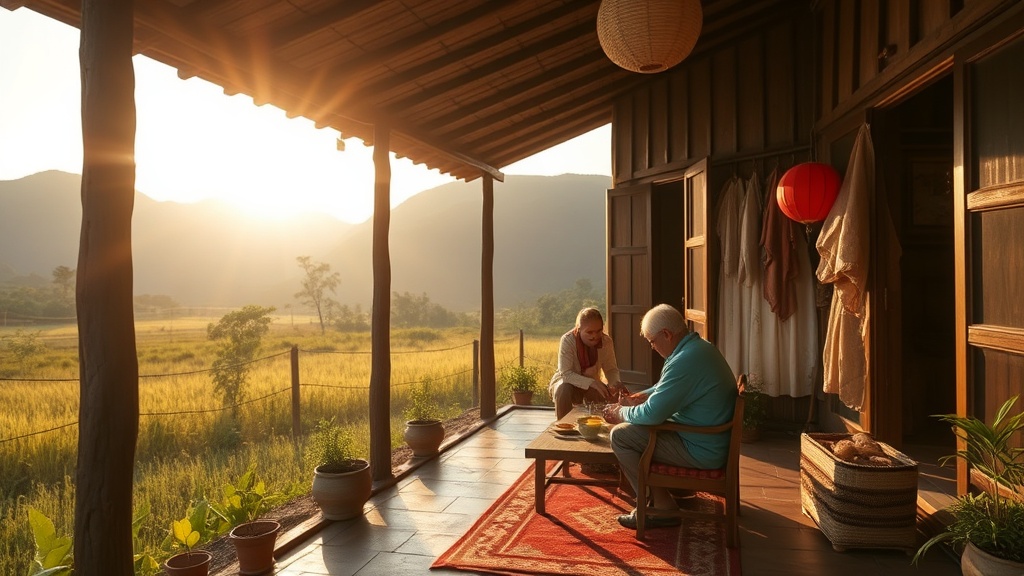
How to Find and Book a Local Homestay in Rural Vietnam

Are you looking for an authentic connection to Vietnamese culture that a standard hotel cannot provide?
Finding a genuine homestay in rural Vietnam requires moving beyond mainstream booking engines to access local networks and community-based tourism initiatives. This guide provides a structured methodology for identifying, vetting, and booking stays in remote regions like Sapa, Ha Giang, and the Mekong Delta. By following these steps, you can ensure your money supports local families directly while avoiding "homestay" properties that are actually commercialized guest houses.
A true homestay in Vietnam is a residence where a family lives and works. Unlike a boutique hotel or a "homestay-style" resort, these accommodations are integrated into the local economy and social fabric. This distinction is critical for travelers who want to ensure their presence contributes to community-based tourism (CBT) rather than displacing it.
Identify the Right Type of Homestay
Not all homestays are created equal. In Vietnam, the market is divided into three distinct categories. Knowing which one you are booking will prevent disappointment regarding amenities and service levels.
- Community-Based Homestays (CBT): These are managed by local ethnic minority groups (such as the Hmong or Dao in the North). They are often part of a cooperative. Revenue is typically shared among the village to fund communal projects like schools or roads.
- Family-Run Homestays: These are private homes where a single family hosts guests. They are often found in the Mekong Delta or near popular hubs like Hoi An. These offer high levels of intimacy but may have more standardized amenities.
- Commercialized "Homestays": These are often euphemisms for mid-range guesthouses. They may feature a sign saying "Homestay" but operate with a professional staff, a reception desk, and standardized menus. They lack the cultural immersion of the first two categories.
Where to Search: Reliable Platforms and Methods
Standard Global Distribution Systems (GDS) and major booking sites often filter out the most authentic, remote stays because they lack the digital infrastructure to manage complex API integrations. To find the real thing, use these three specific channels:
1. Specialized Community Tourism Websites
For the northern highlands, look for platforms that partner directly with ethnic minority cooperatives. Websites that highlight "Community-Based Tourism" (CBT) are more likely to list stays in villages like Ta Van or Du Gia. These platforms prioritize social impact over luxury amenities.
2. Google Maps and Localized Search
In rural Vietnam, many families do not use English-language booking engines. Instead, they list their business on Google Maps. Search for "Homestay" in specific districts (e.g., "Homestay in Dong Van District") rather than just "Vietnam." Look for the most recent reviews and, more importantly, look at the photos uploaded by users. If the photos show a standardized lobby and a professional sign, it is a commercial guesthouse.
3. Local Trekking and Cycling Operators
If you are planning a multi-day trek in Sapa or a cycling tour in the Ninh Binh province, contact local operators directly. Reliable operators often have long-standing relationships with specific families. Instead of booking a hotel through them, ask: "Can you arrange a stay with a local family in the village?" This ensures your accommodation is part of the journey, not just a stop along the way.
Vetting Your Stay: The Checklist
Because "homestay" is a loosely regulated term in Vietnam, you must vet your accommodation based on specific criteria to avoid "culture washing." Use the following checklist before making a payment.
Evaluate the Facilities
Authentic rural homestays will have limited amenities. Prepare yourself for the following:
- Bathroom Structures: Many rural homestays feature shared bathrooms. In more remote areas, these may be "bucket showers" or even outdoor latrines.
- Electricity and Connectivity: In regions like Ha Giang, power outages are common. Do not assume high-speed Wi-Fi is available, even if it is mentioned in a listing.
- Sleeping Arrangements: Expect to sleep on a thin mattress or a folded quilt on a wooden floor or a raised platform.
Verify the "Social Impact"
A key part of the "show, don't tell" philosophy is looking for evidence of local integration. A legitimate homestay will often feature:
- Photos of the family or the village community.
- Descriptions of local crafts or agricultural practices (e.g., indigo dyeing or rice cultivation) that guests can participate in.
- A lack of "Westernized" branding or excessive English-language signage.
Practical Logistics: Booking and Communication
Once you have identified a property, the booking process in rural Vietnam often deviates from the "one-click" standard of Western travel. You will likely need to communicate via non-traditional methods.
Use WhatsApp or Zalo
In Vietnam, Zalo is the dominant messaging app, followed closely by WhatsApp. Most rural hosts will not respond to email or platform-based messaging (like those on Airbnb) in a timely manner. If a listing provides a phone number, add it to Zalo. This allows you to send photos of your requirements—such as a specific dietary need—which eliminates the risk of language barriers.
Payment and Currency
Do not expect to pay via credit card at a rural homestay. Most operate on a cash-only basis. When booking through a third-party site, ensure you know if the price includes meals. In many authentic homestays, "Family Dinner" is a central event and is often a separate, mandatory, or highly encouraged cost. Always ask: "Is the communal dinner included in the price per person?"
Transportation to Remote Locations
Many authentic homestays are not accessible by car or large bus. If you are heading to the mountains of the North, you may need to book a "sleeper bus" to a central hub and then arrange a "xe om" (motorbike taxi) or a local driver to take you the final leg. Always confirm with your host if they can arrange a pickup from the nearest district center, as GPS can be unreliable in mountainous terrain.
Sustainable Travel Practices
Staying in a rural homestay is an act of direct economic support, but it also places a footprint on a delicate ecosystem. To remain a responsible guest, follow these protocols:
- Water Conservation: Many rural areas face seasonal water shortages. Be mindful of how much water you use during showers.
- Waste Management: There is often no municipal recycling program in rural Vietnam. Avoid bringing single-use plastics into these areas. Always carry a reusable water bottle to minimize the amount of plastic waste you generate in communities that cannot process it.
- Cultural Etiquette: When entering a home, remove your shoes. If you are invited to a family dinner, it is customary to wait for the eldest person to begin eating before you start.
Summary Table: Expectations vs. Reality
| Feature | Standard Hotel | Authentic Homestay |
|---|---|---|
| Bedding | High-thread count linens | Local cotton or thin mattresses |
| Dining | A la carte menu | Communal, family-style meals |
| Communication | Front desk / English-speaking | Zalo / Basic English / Gestures |
| Primary Goal | Comfort and privacy | Cultural immersion and community support |
By applying these rigorous standards to your search, you move beyond the "tourist bubble" and into the actual fabric of Vietnamese life. The result is a travel experience that is more challenging, more rewarding, and significantly more impactful for the local population.
Steps
- 1
Research via Specialized Platforms
- 2
Verify with Recent Reviews
- 3
Communicate Directly via Messaging Apps
- 4
Confirm Transport and Meal Details