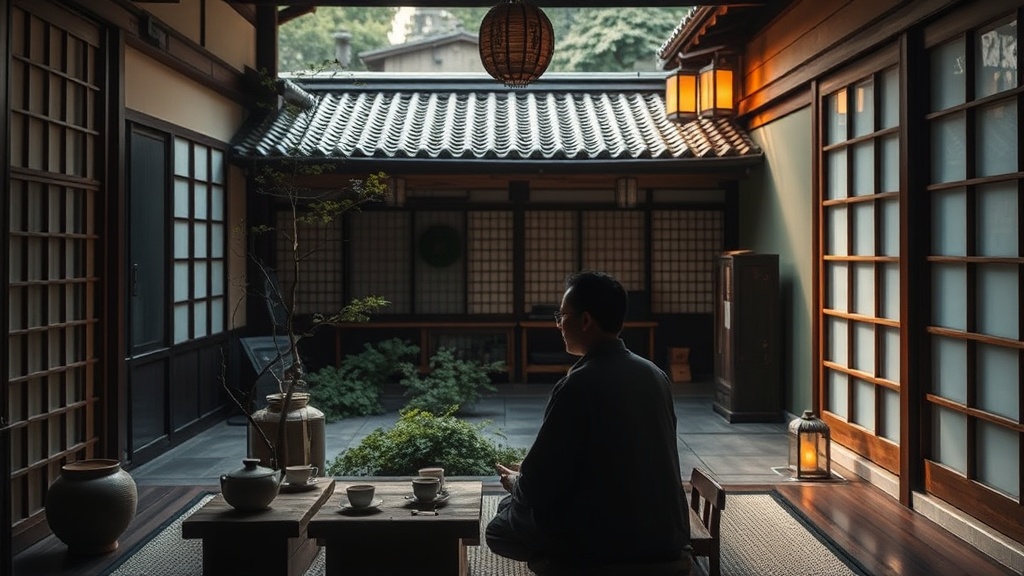
A Slow Morning Spent with Tea in a Kyoto Machiya

The Scent of Tatami and Cedar
The Ritual of the Morning Matcha
Watching the Zen Garden Wake Up
This guide details the logistics, costs, and cultural etiquette required to book and experience a traditional machiya stay in Kyoto, Japan. You'll find specific advice on tea culture, architectural features to look for, and how to select a high-quality townhouse through reputable platforms. We focus on the practicalities of slow travel—specifically how to integrate a morning tea ritual into a high-end Kyoto itinerary without disrupting local customs.
What is a Kyoto Machiya?
A machiya is a traditional wooden townhouse used by merchants and craftsmen throughout Kyoto's history. These structures are characterized by narrow street-facing facades and long, deep interiors that often lead to a private garden. They serve as a living record of Japan's architectural evolution.
When you step inside, the architecture dictates your pace. Most machiya feature a tsuboniwa—a small, internal courtyard garden—which brings natural light into the center of the house. This isn't just a design choice; it's a functional method for ventilation and light in dense urban blocks. The layout often follows a "eel's bed" pattern, meaning the building is long and thin. It's a bit of a squeeze if you're used to wide-open American floor plans, but the intimacy is the whole point.
Staying in one requires a shift in mindset. You aren't just checking into a hotel; you're occupying a piece of history. The wood is often aged, the floors might creak (embrace it), and the connection to the outdoors is constant through sliding shoji screens. It's a deliberate way to experience the city's seasonal changes.
For those interested in the structural preservation of these buildings, the Kyoto Prefecture official website provides deep dives into local heritage laws and preservation efforts. It's worth noting that many of these homes are now protected to prevent them from being demolished for modern concrete builds.
How Much Does a Machiya Stay Cost?
A typical high-end machiya rental in Kyoto costs between ¥40,000 and ¥120,000 ($270–$800 USD) per night, depending on the number of guests and luxury level. Prices fluctuate significantly based on the season—cherry blossom season in April and the autumn foliage in November will see rates spike.
Don't expect the flat pricing of a business hotel. Because many machiyas are managed by boutique hospitality companies rather than large chains, you're paying for the curation of the space and the specialized upkeep of the traditional materials. You might find a budget-friendly option on Airbnb, but the truly refined experiences—the ones with the high-grade matcha sets and hand-crafted ceramics—tend to be more expensive.
Here is a breakdown of what to expect regarding costs for a premium experience:
| Expense Category | Estimated Cost (USD) | Notes |
|---|---|---|
| Nightly Stay (Premium) | $450 - $800 | Includes high-end amenities and historic architecture. |
| Traditional Tea Set | $30 - $60 | Cost for high-grade Uji matcha and seasonal wagashi. |
| Private Tea Ceremony | $100 - $250 | If hiring a professional practitioner to visit your stay. |
| Local Transport | $15 - $30 | Daily budget for taxis or local bus/subway. |
What Should I Look for When Booking a Machiya?
Prioritize properties that explicitly list "traditional features" like tatami flooring, wooden bathtubs (ofuro), and a private garden. You want to ensure the property maintains its historical integrity while providing modern comforts like high-speed Wi-Fi and updated climate control.
The quality of your "slow morning" depends entirely on the details. If the house lacks a view of a garden or a well-lit courtyard, the experience will feel hollow. Look for descriptions that mention wabi-sabi—the aesthetic of imperfection and transience. This isn't just marketing fluff; it's the soul of the stay. If the listing shows modern, bright white walls and minimalist furniture, it might be a "modernized" version that lacks the authentic atmosphere of a true machiya.
A few things to check before you hit "book":
- The Bathing Area: Does it feature a wooden hinoki tub? These are stunning but require careful use (no harsh chemicals!).
- Kitchen Facilities: Most machiyas have minimal kitchens. If you plan on making your own tea, ensure there is a proper stove or kettle setup.
- Noise Insulation: Traditional wooden structures are not soundproof. If you are a light sleeper, look for properties that mention "enhanced insulation" or stay in quieter districts like Gion or Higashiyama.
- Access: Many of these houses are in narrow alleys. Make sure your luggage can actually reach the door via taxi or walking.
I've found that checking the Official Japan Travel Guide for seasonal weather can help you decide when to book. A rainy morning in a Kyoto garden is beautiful, but you'll want to know if you'll be stuck inside or able to enjoy the veranda.
How Do I Prepare for a Traditional Tea Morning?
To truly experience a slow morning, you should source high-quality Uji matcha and seasonal Japanese sweets (wagashi) the day before. A ritualized morning is more about the preparation and the sensory experience than just drinking tea.
The goal isn't to rush through a caffeine hit. It's to engage with the process. In a machiya, the morning light hitting the paper screens creates a soft, diffused glow that is perfect for this. You don't need to be an expert, but a little bit of preparation goes a long way.
Here is my suggested checklist for a perfect, slow tea morning:
- Source your tea: Buy a tin of ceremonial grade matcha from a reputable brand like Ippodo Tea Co. The color should be a vibrant, electric green.
- Prepare the tools: You'll need a chasen (bamboo whisk) and a chawan (tea bowl). If your rental doesn't provide them, many high-end machiyas will have them on hand.
- Set the scene: Clear a small space near the engawa (the wooden veranda). The transition between the indoor room and the garden is the most peaceful spot in the house.
- The Ritual: Sift the matcha to avoid clumps. Add hot (not boiling!) water. Whisk in a "W" motion until a fine froth forms. The heat of the water and the scent of the tea are part of the meditation.
This isn't about being a connoisseur. It's about the pause. We often spend our travels rushing from one landmark to the next, but the most memorable parts of a trip are often the quiet hours spent watching the light change in a small garden. It’s the difference between seeing a place and actually feeling it.
If you find yourself wanting to explore more about the intersection of culture and travel, you might enjoy reading about why Lisbon feels so effortless. While the architecture is different, the philosophy of slowing down to appreciate the local rhythm is a shared thread.
The beauty of the machiya is its limitation. You can't do everything in a space like this. You can't host a loud party or move furniture around easily. You have to work within the boundaries of the house, and in doing so, you find a much more intentional way to exist in the space. That's the real luxury of Kyoto.