Why Lisbon Feels Like Europe’s Most Effortless City Break Right Now

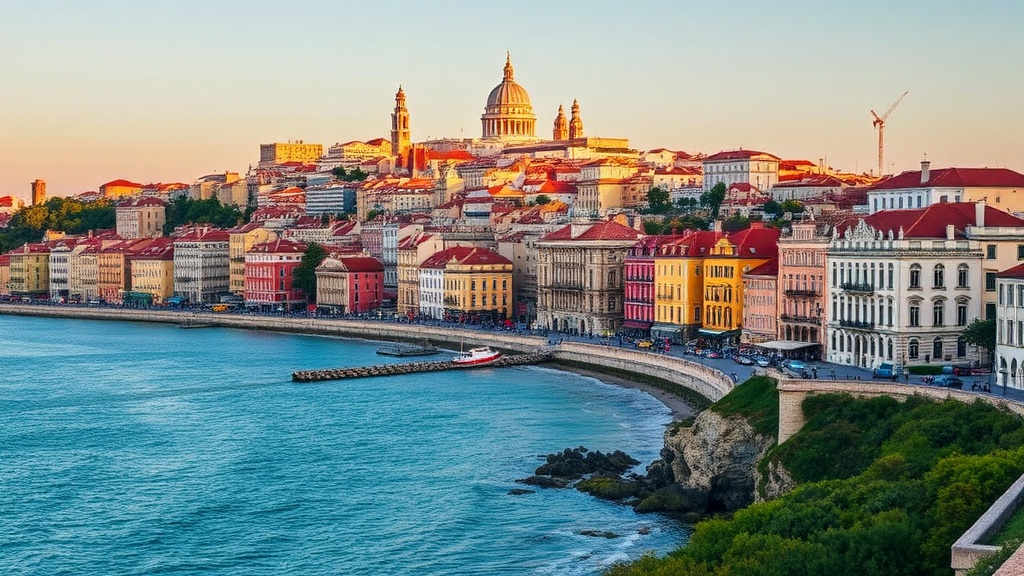
Lisbon has quietly shifted from “nice alternative to Barcelona” into something far more compelling: a city that delivers atmosphere, food, scenery, and culture without exhausting you. It’s not just that Lisbon is beautiful—it’s that it’s easy. Easy to enjoy, easy to navigate, and surprisingly forgiving for travelers who don’t want to over-plan every hour.
This is not a checklist city. Lisbon works best when you let it unfold in layers—tram rides, viewpoints, long meals, and streets that seem designed for getting lost.
The First Impression: Light, Hills, and a Slower Rhythm
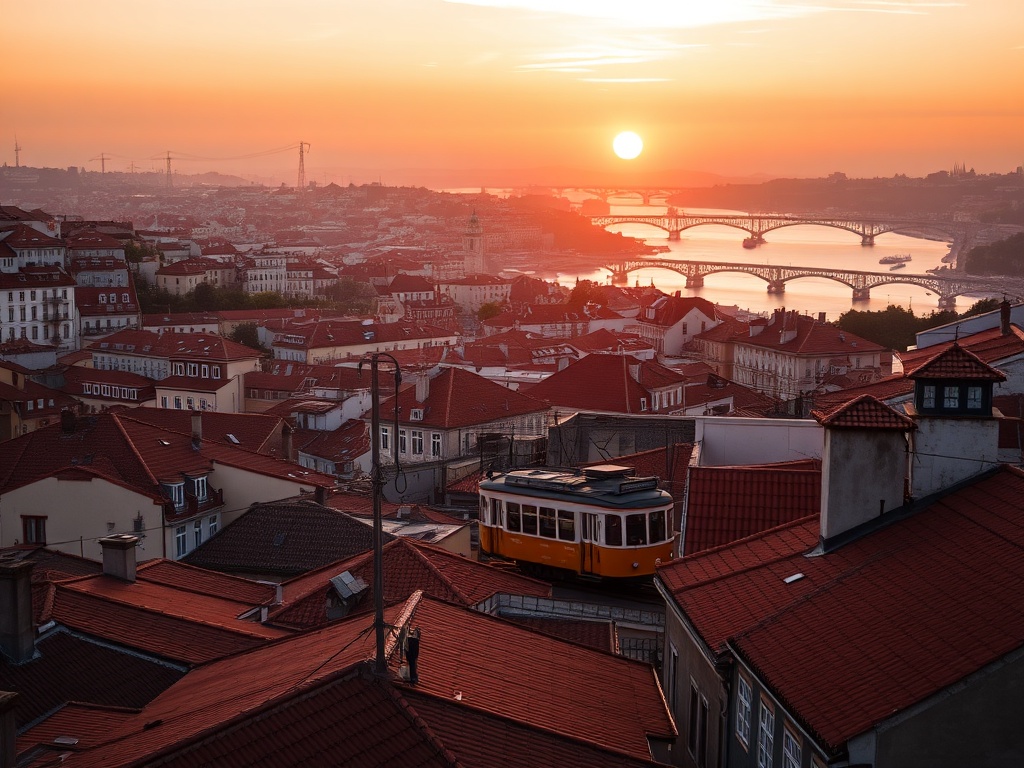
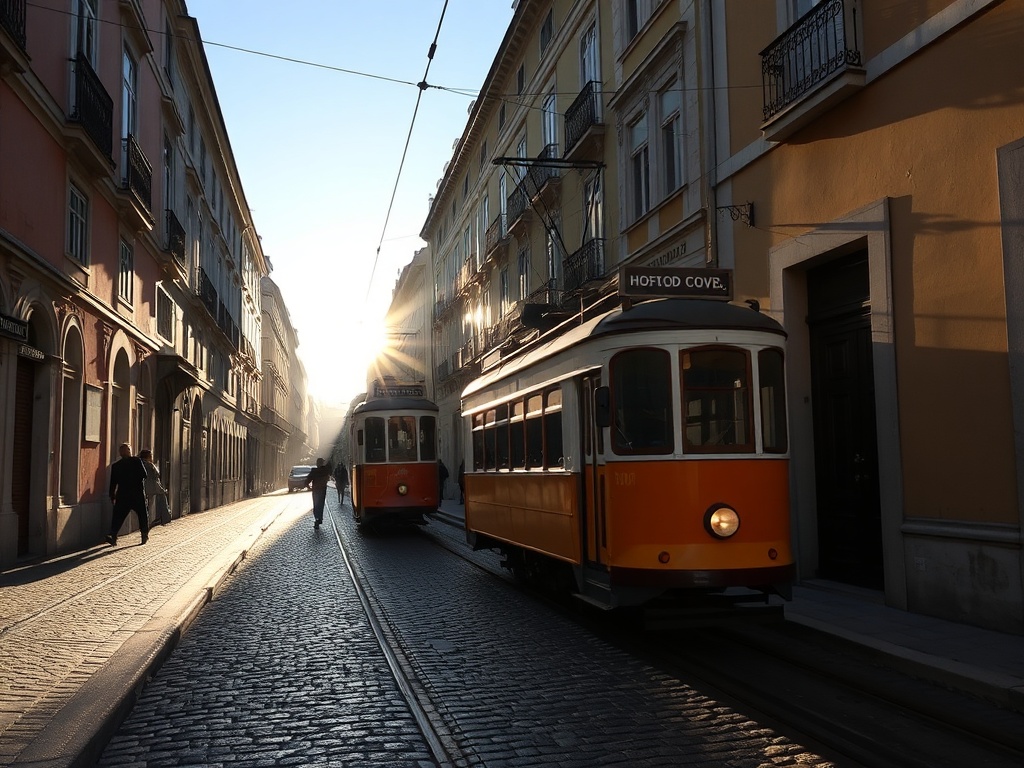
The first thing you notice is the light. Lisbon’s glow is real—soft, golden, and reflective thanks to the Tagus River. It gives even ordinary streets a cinematic quality. Then come the hills. They’re unavoidable, but they shape the city’s personality: every climb rewards you with a viewpoint, every descent leads somewhere unexpected.
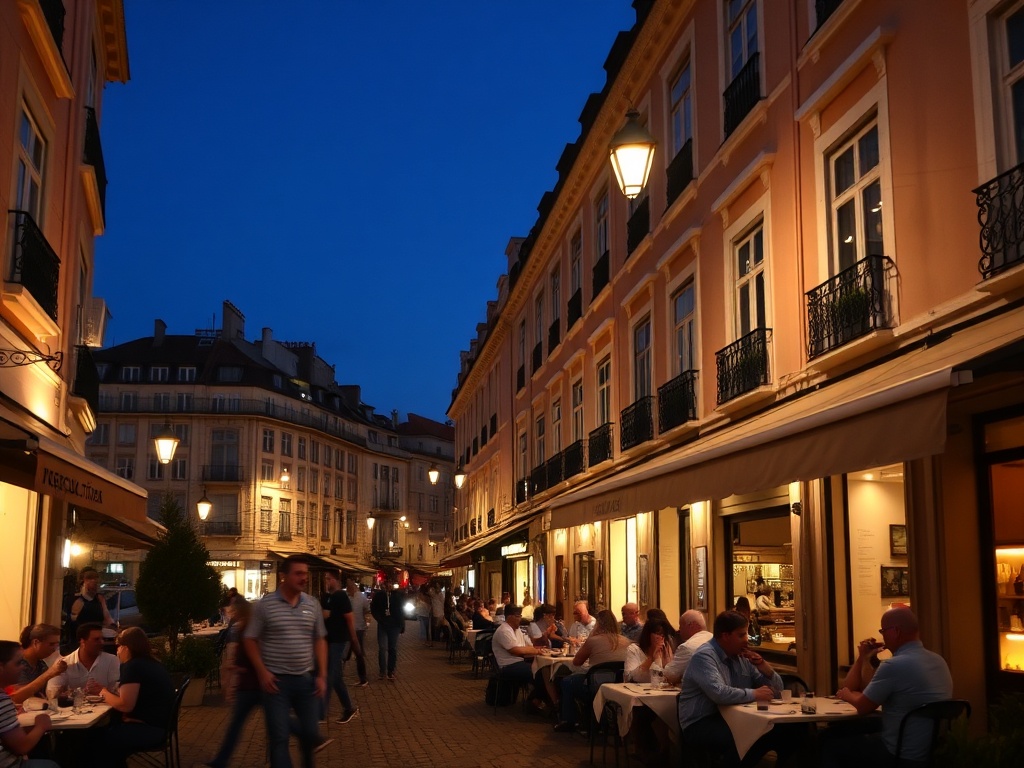
Unlike other European capitals, Lisbon doesn’t rush you. Cafés spill into the street. Conversations stretch. Even the iconic yellow trams move at a pace that feels more nostalgic than efficient.
Plan less walking than you think, but more wandering than you usually allow.
Neighborhoods That Actually Feel Different
Lisbon’s neighborhoods aren’t just geographically distinct—they each offer a different version of the city.
Alfama: The Soul
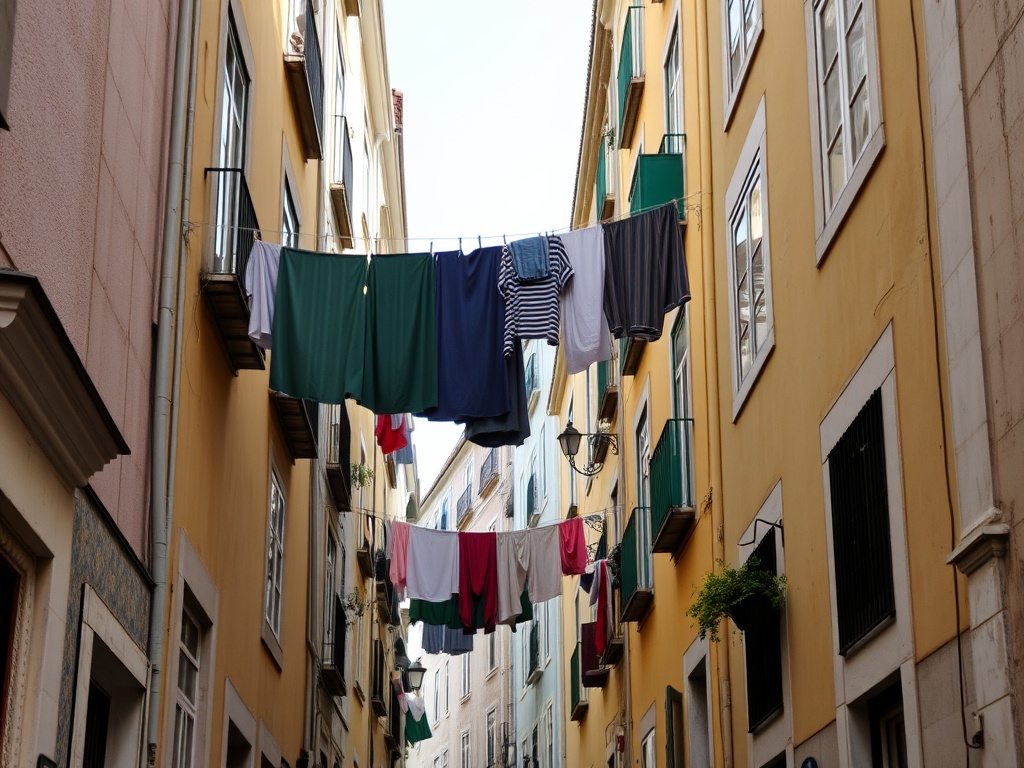
This is where Lisbon feels oldest and most textured. Tight alleys, tiled facades, and the sound of fado drifting out of small restaurants at night. It’s touristy in places, but still deeply atmospheric. Come early morning or late evening for the best version of it.
Bairro Alto: The Energy
By day, it’s quiet. By night, it flips completely. Small bars, open doors, people spilling into the streets. It’s less polished than nightlife in other cities, but that’s the appeal—it feels organic.
Belém: The Monumental Side
Wide open spaces, historic landmarks, and the famous custard tarts. It’s where Lisbon leans into its maritime past, and it’s worth dedicating half a day to exploring properly.
Príncipe Real: The Modern Edge
This is Lisbon evolving—stylish shops, concept cafés, and a slightly more international feel. If you want to see where the city is going, spend time here.

The Food Scene: Simple, Precise, and Addictive
Lisbon doesn’t overwhelm you with options—it wins you over with consistency. Meals feel unpretentious but intentional.
Seafood is the backbone. Grilled sardines, octopus salad, clams with garlic and white wine. Nothing complicated, but everything done well. Portions are generous, prices are reasonable, and the setting—often outdoors—does most of the work.
Then there’s the pastry culture. Pastéis de nata aren’t just a snack—they’re a ritual. Crisp shell, creamy center, a dusting of cinnamon. You’ll tell yourself you’ll have one per day. You won’t.
What makes Lisbon special isn’t innovation—it’s restraint. Dishes don’t try to impress. They just deliver.
Getting Around Without Overthinking It
Lisbon is not flat, and pretending it is will ruin your day. But the city gives you options.
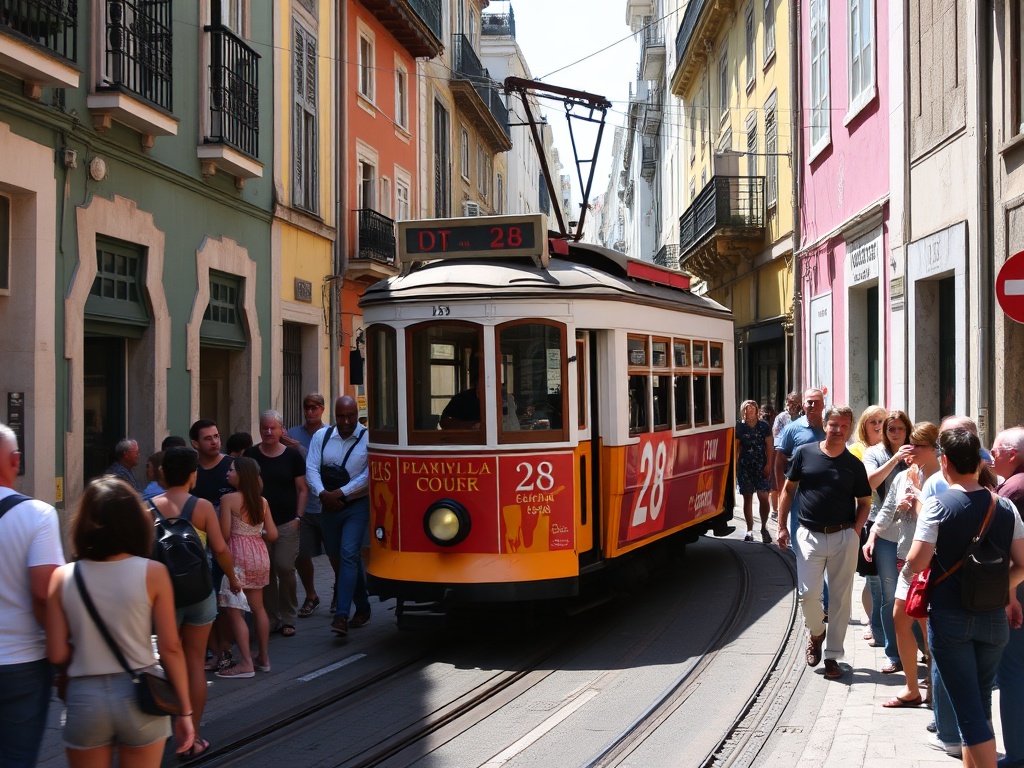
- Trams: Scenic, iconic, occasionally crowded—but worth it at least once.
- Metro: Clean, efficient, and surprisingly underused by visitors.
- Ride shares: Affordable and often the easiest way to avoid uphill climbs.
- Funiculars and elevators: Not gimmicks—practical shortcuts.
The key is mixing methods. Walk downhill, ride uphill, and don’t try to prove anything.

The Viewpoints Are the Real Attractions
Lisbon’s miradouros (viewpoints) are where the city clicks. They’re not just photo spots—they’re social spaces. People bring drinks, sit for hours, and watch the light change.
Each one feels slightly different. Some are lively, others quiet. The best approach is not to pick one, but to visit several throughout the day. Morning light, afternoon haze, sunset glow—they all transform the same skyline.
If you only schedule one thing per day, make it a viewpoint at the right time.

Day Trips That Actually Deliver
Lisbon’s surroundings elevate the entire trip. Within an hour, you can completely change the experience.
Sintra: The Fairytale Escape
Palaces, forests, and a slightly surreal atmosphere. It’s popular, but still worth it if you start early and avoid trying to see everything.
Cascais: The Coastal Reset
A relaxed seaside town with beaches, restaurants, and a slower pace. Ideal if you want a break from hills and crowds.
Arrábida: The Underrated Option
Less visited, more raw. Dramatic coastline, clear water, and fewer tourists. If you want something that feels like a discovery, go here.
Lisbon works because you don’t have to choose between city and nature—you get both.
When to Go (and When Not To)
Lisbon is not a year-round equal experience.
Best: April to June, September to October. Warm, bright, but not overwhelming.
Good: March and November. Slightly cooler, fewer crowds.
Challenging: July and August. Heat, crowds, and higher prices.
Winter is underrated. It’s quieter, still mild compared to most of Europe, and you’ll see a more local version of the city.
What Lisbon Gets Right (That Other Cities Don’t)
Lisbon doesn’t try to be perfect. Sidewalks are uneven, service can be slow, and plans don’t always go smoothly. But that’s exactly why it works.
It gives you space to travel without friction. You don’t need a packed itinerary. You don’t need reservations for everything. You don’t need to optimize every moment.
You just need time.
And that’s the real appeal: Lisbon feels like a city that meets you where you are, rather than demanding something from you.
If your last few trips have felt over-scheduled or overhyped, Lisbon is the reset.