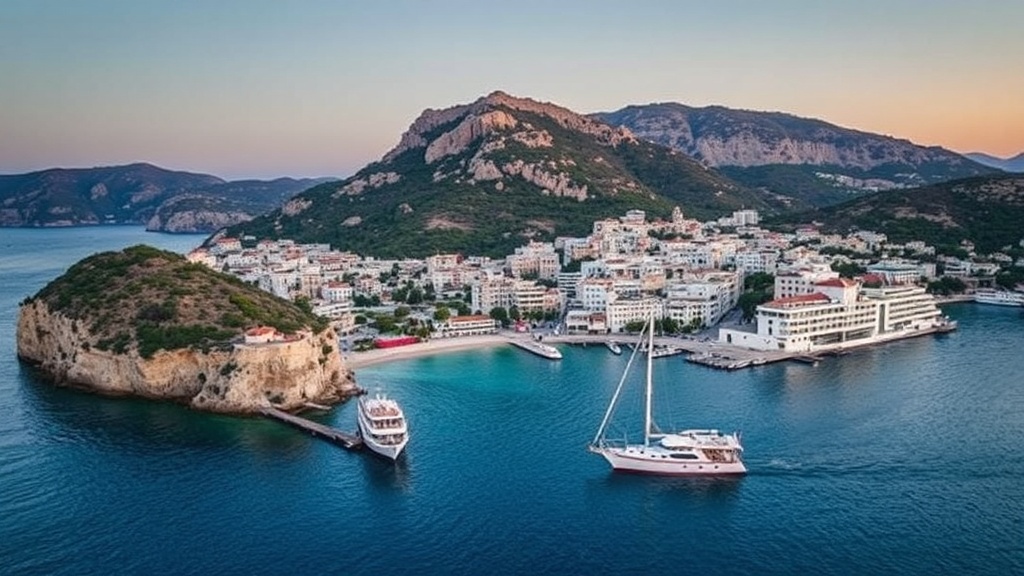
7 Remote Islands in Greece You Can Visit Without the Crowds

The Quiet Charm of Sifnos
Exploring the Wild Coast of Milos
The Serenity of Folegan-drogos
Finding Solitude in Amorgos
The Untouched Beauty of Kastellorizo
Relaxing on Kythira
The Hidden Gems of Paxos
Are you looking for the Mediterranean aesthetic of the Greek Isles without the cruise ship crowds and high-density tourist zones of Santorini or Mykonos? While the Cyclades receive the bulk of international attention, several outlying islands offer comparable landscapes, crystal-clear waters, and authentic Aegean culture with significantly lower foot traffic. This guide identifies seven remote Greek islands categorized by their accessibility, primary terrain, and the specific type of solitude they offer, helping you plan a trip based on logistical reality rather than social media trends.
1. Anafi: The Quiet Cycladic Alternative
Located just a short ferry ride from the bustling port of Santorini, Anafi remains one of the least visited islands in the Cyclades. It serves as a functional alternative for travelers who want the classic white-washed architecture and volcanic topography without the premium pricing found on neighboring islands. The island is dominated by the massive rock formation of Kalamos, which is the second-largest monolithic rock in the Mediterranean.
What to Expect
The infrastructure in Anafi is minimal, which is the primary reason for its low density. There are no large resorts or international hotel chains. Instead, you will find small, family-run guesthouses in the Chora (the main village). The terrain is rugged and mountainous, making it a destination for hikers rather than sunbathers who require luxury amenities.
Logistics and Navigation
- Getting There: Most travelers arrive via the Blue Star Ferries line from Santorini or Naxos. The journey typically takes 60 to 90 minutes.
- Primary Activity: Hiking the trail from the Chora to the Monastery of Kalamiotissa.
- Best Time to Visit: Late May or September to avoid the intense heat of July while still enjoying reliable ferry schedules.
2. Sifnos: A Culinary-Focused Retreat
Sifnos is part of the Western Cyclades and is frequently overlooked in favor of Milos or Paros. However, it offers a more sophisticated, slower-paced experience. The island is widely regarded by food critics and chefs as a premier destination for traditional Greek gastronomy, specifically focusing on slow-cooked pottery dishes and local honey.
The Culinary Landscape
The island's economy is heavily rooted in agriculture and traditional cooking. When visiting, look for revithada (chickpea stew) and local saffron-infused dishes. The village of Artemonas serves as the cultural hub, featuring high-quality ceramic workshops and boutique stays that maintain a high standard of service without the mass-market feel of larger islands.
Practical Planning
Sifnos is highly accessible via the port of Lavrio (near Athens) or through the ferry connections from Paros. It is an ideal destination for travelers who prioritize high-quality dining and boutique hospitality over nightlife. If you are planning a longer European itinerary, you may want to review our guide on hidden European gems to see how Sifnos fits into a broader Mediterranean circuit.
3. Amorgos: The Deep Blue Destination
Amorgos is a long, narrow island in the Eastern Cyclades that has gained a degree of fame from the film The Big Blue, yet it remains significantly less crowded than its neighbors. The island is defined by its dramatic verticality, deep blue waters, and the Hozoviotissa Monastery, which is built directly into a cliff face.
Terrain and Sightseeing
The island is split into two distinct areas: the mountainous interior and the coastal villages. The Aigiali region is the primary hub for water-based activities, offering access to the Marmari beach and various snorkeling spots. The interior is better suited for those interested in Byzantine history and mountain trekking. The paths are often steep and rocky, so sturdy footwear is a requirement rather than a suggestion.
Essential Data for Visitors
- Transportation: A car rental is highly recommended here. While there are local buses, the terrain is too steep and the distances too varied for efficient travel via public transit.
- Key Landmark: The Monastery of Hozoviotissa. Note that strict dress codes (shoulders and knees covered) are enforced.
- Water Quality: The Aegean waters around Amorgos are exceptionally clear, making it a top-tier location for diving and snorkeling.
4. Ikaria: The Longevity Island
Ikaria is located in the North Aegean and is famous for its "Blue Zone" status—a region where residents live significantly longer than the global average. This isn't just a statistical anomaly; it is a result of a specific lifestyle involving minimal stress, high-quality local produce, and a strong sense of community. The island's culture is noticeably different from the more commercialized Greek islands.
The Ikarian Lifestyle
The pace of life here is dictated by the sun and the seasons. You will find that shops may close for several hours in the afternoon, and social gatherings often extend late into the night. This is not a place for "sightseeing" in the traditional sense; it is a place for experiencing a different way of living. The focus is on wellness, herbal teas, and local honey.
Traveler Tips
- Connectivity: While the island is remote, cellular service is reliable in the main towns of Ikaria Town and Evamos.
- Driving: The roads are winding and often narrow. If you are not comfortable with mountain driving, consider hiring a local driver or sticking to the coastal areas.
- Packing: Bring lightweight, breathable clothing and high-quality sun protection, as the Aegean sun is intense and there is significant shade in the mountainous interior.
5. Folegandros: Minimalist Sophistication
Folegandros is often described as the "quieter sister" to Santorini. It offers the same dramatic cliffs and white-washed aesthetics but lacks the heavy cruise ship traffic and the aggressive marketing of more famous islands. It is a destination for travelers who value understated luxury and a more intimate connection to the landscape.
The Chora Experience
The Chora of Folegandros is one of the most beautiful in the Cyclades, sitting on the edge of a high cliff. Unlike the crowded streets of Oia, you can walk through the Chora without navigating through massive tour groups. The village is a labyrinth of narrow alleys that lead to small, high-end tavernas and boutique hotels.
Logistics and Accessibility
Folegandros can be slightly more difficult to reach than the major islands. Most travelers arrive via ferry from Ios or Santorini. Because the island is smaller and has fewer docking points, it is vital to check ferry schedules well in advance, as service can be less frequent during the shoulder seasons. To ensure you have enough space for your gear, refer to our guide on how to pack a carry-on for efficient travel between islands.
6. Kastellorizo: The Far Eastern Outpost
Kastellorizo is one of the smallest and most remote inhabited islands in Greece, located near the Turkish coast. Its isolation is its greatest asset. The island is a colorful, compact harbor town where the houses are painted in vibrant hues of ochre, pink, and blue, all facing the central port.
The Blue Caves and Sea Exploration
The primary draw of Kastellorizo is the water. The Blue Caves are a geological marvel, offering bright turquoise light that is visible from the surface. Most visitors spend their days on boat excursions to explore the coastline, hidden coves, and the nearby islet of Megali Kastellorizo. The water is calm and deep, making it perfect for long-distance swimming.
Important Considerations
- Proximity: Because of its location, the island is quite far from the main Greek hubs like Athens or Crete. Plan for longer travel times.
- Atmosphere: This is a highly social, harbor-centric island. Most activity happens around the water's edge in the evening.
- Supplies: While the town is well-equipped for tourists, do not expect a wide variety of international goods. Stick to local Mediterranean staples.
7. Kythira: The Intersection of Cultures
Kythira sits at the crossroads of the Ionian and Aegean seas, which has resulted in a unique architectural and cultural blend. It features both the rugged, rocky landscapes of the Cyclades and the lush, greener aesthetics often found in the Ionian islands. This makes it a highly diverse destination for a single trip.
Diverse Landscapes
The island offers a variety of environments, from the sandy beaches of Kapsali to the dramatic Melidoni Cave. The Venetian Castle of Kythira provides a historical focal point, offering panoramic views of the sea and the surrounding mountains. The island is much larger than the others on this list, meaning you can spend a week here and still find new areas to explore.
Planning Your Visit
Kythira is best accessed via ferry from either Crete or the Peloponnese mainland. It is an excellent choice for travelers who want a "multi-landscape" experience—one day you might be hiking through a forest, and the next you are lounging on a Mediterranean beach. The island’s size makes a rental car an absolute necessity for any meaningful exploration.
"The key to finding solitude in the Mediterranean is not just looking for smaller islands, but looking for islands with more complex topographies that naturally deter mass tourism."