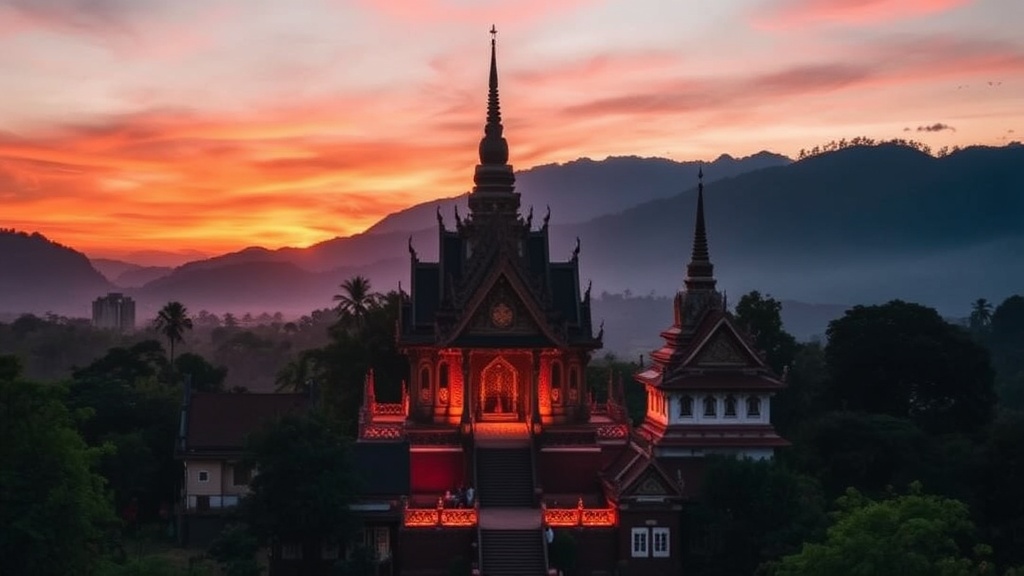
Why You Should Spend Time Exploring the Hidden Temples of Luang Prabang

While the central peninsula of Luang Prabang is famous for its French colonial architecture, more than 30 active Buddhist temples (wats) are scattered throughout the surrounding hills and outskirts, many of which receive less than 5% of the foot traffic seen at Wat Xieng Thong. This post outlines why prioritizing these lesser-known religious sites—rather than just the central tourist hubs—provides a more authentic understanding of Lao culture, and provides a practical framework for how to visit them efficiently.
The Cultural Value of the Peripheral Wats
Most travelers limit their temple visits to the central district, often focusing solely on the iconic sweeping roofs of Wat Xieng Thong. However, the true architectural and spiritual diversity of Luang Prabang is found in the peripheral temples. These sites offer a clearer look at the distinction between the "Luang Prabang style"—characterized by low-sweeping roofs that nearly touch the ground—and the more vertical, central Thai-influenced styles found elsewhere in Southeast Asia.
By visiting sites like Wat Chom Si or Wat Long Khoun, you encounter the living traditions of the community. These are not merely museums; they are active centers for the Tak Bat (almsgiving) preparation and local festivals. Understanding the hierarchy of these temples helps you plan a trip that moves beyond surface-level sightseeing and into cultural immersion.
Architectural Nuances to Observe
When exploring these hidden temples, look for specific structural elements that define the region's heritage:
- The Dok Mai Style: Look for intricate wood carvings that mimic local flora. In the smaller, outlying temples, these carvings are often more weathered and organic than the polished versions in the city center.
- Gold Leaf Application: Observe how gold leaf is applied to Buddha statues. In more remote temples, you will see a heavier, more irregular application, which is a sign of local devotion rather than professional restoration.
- Roof Pitch: Note the extreme angle of the roofs. This design is a functional response to the heavy monsoon rains of Northern Laos, designed to shed water rapidly to protect the wooden structures underneath.
Top Hidden Temples to Prioritize
To maximize your time, do not attempt to visit every temple. Instead, focus on these three sites, which offer distinct architectural and historical profiles.
Wat Chom Si: The Hillside Sanctuary
Located on a steep hill overlooking the Mekong River, Wat Chom Si is often bypassed by those staying in the central boutique hotels. It is essential because it offers a topographical perspective of how religion and geography intersect in Laos. The climb is strenuous, so ensure you have footwear with adequate grip. The temple is particularly significant for its views, but the real value lies in the quietude of the upper shrines, where the sound of the river replaces the noise of the night market.
Wat Long Khoun: The Forest Temple
Located further out from the main town, Wat Long Khoun represents the integration of nature and spirituality. This temple is less about gilded ornamentation and more about the relationship between the forest and the monastery. It is an ideal stop if you are planning a day trip toward the Kuang Si Falls, as it allows you to see a different side of Lao Buddhist architecture before reaching the more crowded natural landmarks.
Wat Phousen: The Sacred Peak
While many tourists hike up Mount Phousi for the sunset, few realize that the summit is a complex of several sacred sites. The ascent involves over 300 steps. The higher you climb, the more the atmosphere shifts from a tourist lookout to a place of genuine religious significance. The shrines at the summit are often used for quiet meditation, providing a stark contrast to the bustling streets below.
Logistical Planning and Etiquette
Visiting remote temples requires more preparation than a standard city walk. You cannot rely on the proximity of tuk-tuks found in the central district, so you must plan your transit in advance.
Transportation Strategies
For the hidden temples, I recommend two specific methods of transport:
- Private Tuk-Tuk Rental: Negotiate a flat rate for a half-day or full-day rental. This is more cost-effective than calling individual rides for each location. Ensure your driver knows the specific names of the temples, as many are not clearly marked on digital maps.
- Bicycle or E-Bike: If you are staying in the outskirts or near the Mekong, an e-bike is an excellent way to reach Wat Chom Si. The incline is significant, so a standard pedal bike may be exhausting.
The Essential Packing List for Temple Visits
Standardizing your gear is the best way to ensure you are not denied entry to sacred sites. If you are traveling through Southeast Asia, you should already be familiar with the necessity of modest clothing. For Luang Prabang specifically, ensure your kit includes:
- A Lightweight Sarong or Scarf: This can be used to cover your shoulders or legs if you are wearing shorts or tank tops.
- Breathable Linen Trousers: Avoid synthetic fabrics that trap heat; the humidity in the hills can be intense.
- High-Quality Sunscreen and Insect Repellent: The peripheral temples are closer to forested areas, making them more prone to mosquitoes during the late afternoon.
For more detailed advice on preparing for this region, see my guide on how to pack a carry-on for a two week trip to Southeast Asia.
Timing Your Visits for Maximum Impact
The time of day you choose to visit a temple dictates the quality of your experience. To see these sites as they are intended to be experienced, follow these timing rules:
Early Morning (5:30 AM – 7:00 AM): This is the time for the Tak Bat (Almsgiving ceremony). While many tourists gather in the center to photograph the monks, the peripheral temples offer a much more respectful and quiet environment to witness this ritual. If you go to a hidden temple during this time, you are a witness to a living tradition rather than a spectator of a tourist event.
Mid-Morning (8:00 AM – 10:30 AM): This is the optimal window for architectural photography. The light is bright but hasn't yet reached the harsh, vertical intensity of midday, which can flatten the details of the gold leaf and wood carvings. Additionally, the temperature is still manageable for the uphill climbs required at sites like Wat Chom Si.
Late Afternoon (4:00 PM – Sunset): This is the best time for the mountain-top temples. The light becomes warmer and softer, highlighting the textures of the ancient stone and wood. However, be aware that many smaller temples may begin to close or limit access to certain areas as the monks prepare for evening prayers.
Respectful Engagement: A Practical Guide
The "hidden" nature of these temples means you are more likely to encounter locals in prayer or meditation. Maintaining a high standard of decorum is non-negotiable. Use the following checklist to ensure your presence is respectful:
- Footwear Protocol: Always remove your shoes before entering any temple building. Look for the shoe racks at the entrance. Never point the soles of your feet toward a Buddha statue or a person, as this is considered highly offensive in Lao culture.
- Photography Restrictions: Many smaller temples have strict rules against photography inside the main sanctum (the Sim). Always look for signage or ask a local guide before raising a camera. Even if no sign is present, keep your camera low and avoid using a flash.
- Physical Interaction: Do not touch any religious artifacts, statues, or even the walls of the temple. The oils from human skin can degrade the ancient wood and gold leaf over time.
- Volume Control: If you see a monk or a local resident engaged in prayer, lower your voice significantly. These are not just photo opportunities; they are active places of worship.
By shifting your focus from the central landmarks to these peripheral sites, you move from being a consumer of culture to an observer of it. The effort required to reach these hidden temples is compensated by the depth of insight they provide into the architectural and spiritual heart of Luang Prabang.