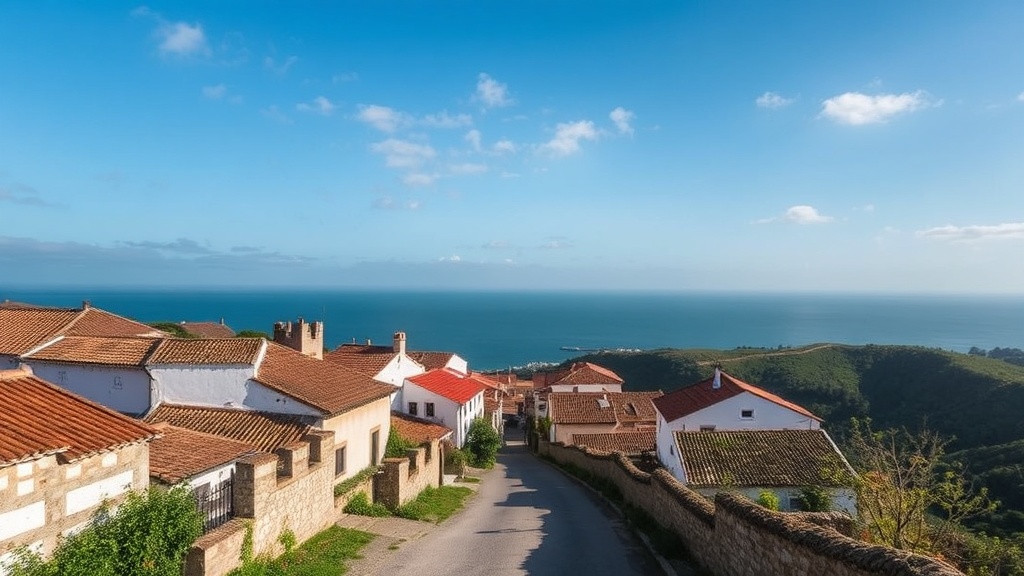
Why You Should Spend a Week in a Portuguese Village

A traveler stands at a train station in Lisbon, clutching a printed itinerary that lists three museums, two rooftop bars, and a specific seafood restaurant. By Tuesday, the itinerary is half-finished because the sheer volume of "must-see" landmarks has led to decision fatigue. This is the common pitfall of high-density tourism: you see a lot, but you process very little. This post argues that instead of hitting five cities in ten days, you should spend seven days in a single Portuguese village. We will examine the logistical advantages, the economic impact on local communities, and the specific regions—from Alentejo to the Douro Valley—that offer the highest return on investment for your time.
The Logistics of Slow Travel
The primary reason to choose a village over a metropolitan hub is the reduction of "transition friction." In cities like Porto or Lisbon, a significant portion of your travel budget and energy is consumed by navigating metro lines, booking Ubers, or finding parking. When you base yourself in a village, your primary mode of transport becomes a short walk or a single, predictable drive. This allows for a higher density of actual experiences per hour of vacation time.
To execute this successfully, you need to view your accommodation as a headquarters rather than just a place to sleep. In a village, you are not just booking a hotel; you are often booking a Turismo de Habitação (a guest house in a traditional home) or a Turismo de Natureza (nature-based tourism). These establishments often provide more granular local intelligence than a standard hotel concierge. For example, a host in a village like Monsanto can tell you exactly which local producer has the best sheep cheese on a Tuesday morning, whereas a city hotel clerk will likely only suggest the nearest tourist-friendly cafe.
If you are planning a longer stay, efficient packing becomes even more critical to avoid constant luggage management. Review our guide on how to pack a carry-on for a two week trip to ensure you can move between your village base and day-trip destinations without unnecessary bulk.
Top Regions for a One-Week Residency
Not all Portuguese villages are created equal. Depending on your interest in gastronomy, topography, or history, certain regions offer more specialized value. We have categorized these by their primary "draw" to help you decide where to allocate your week.
The Alentejo Interior: Culinary and Terroir Focus
If your goal is to understand the relationship between land and plate, the Alentejo region is the superior choice. Villages such as Évora (a larger hub) or the smaller, walled village of Marvão offer a slower pace of life dictated by the harvest cycles. In the Alentejo, the food is dictated by the bread, olive oil, and garlic triad. Spending a week here allows you to witness the production of local cork and the seasonal variations in wine. You aren't just eating; you are observing a production cycle.
The Douro Valley: Viticulture and Topography
For travelers interested in specialized agriculture, the Douro Valley provides a vertical experience. Rather than staying in Porto, basing yourself in a village like Pinhão allows you to experience the steep, terraced vineyards at different times of day. The light changes the way the river looks, and the way the heat affects the grapes. A week here allows for a deep dive into the Port wine production process, moving beyond the tasting room and into the actual landscape that produces the product.
The Central Highlands: History and Stone Architecture
The Schist Villages (Aldeias do Xisto) in the Serra da Estrela region offer a completely different architectural experience. These villages, such as Piódão, are built almost entirely from schist stone, blending seamlessly into the mountainside. A week here provides a study in how human habitation adapts to extreme topography. This is a high-altitude environment where the weather can shift rapidly, requiring more intentional planning than a coastal trip.
The Economic and Social Impact of the "Base Camp" Method
When you stay in a major city, your spending is often captured by international chains and large-scale tour operators. When you spend a week in a village, your "travel spend" undergoes a fundamental shift toward the local micro-economy. This is a critical distinction for the conscious traveler.
- Direct Support: Your money goes directly to the family-run tasca (tavern) or the local artisan selling hand-painted ceramics.
- Knowledge Transfer: By staying longer, you move from being a "spectator" to a "participant." You learn the names of the people serving your coffee, which often leads to more authentic recommendations and access to non-tourist-facing experiences.
- Sustainability: Concentrating your footprint in one location reduces the carbon overhead of constant transit and prevents the "hit and run" style of tourism that can degrade local infrastructure.
Practical Requirements for a Successful Village Stay
A village stay requires more preparation than a city stay because the "safety nets" of urban life—such as 24-hour pharmacies or English-speaking ride-share apps—are less prevalent. To avoid frustration, follow these three rules:
- Secure a Rental Car: While some villages are accessible by train, the most rewarding locations are often tucked away in valleys or on ridges. A car is not a luxury in rural Portugal; it is a functional necessity for accessing grocery stores, hiking trails, and neighboring villages.
- Learn Functional Portuguese: You do not need fluency, but knowing how to ask for the "conta" (the bill), "água" (water), or "onde fica..." (where is...) goes a long way. In smaller villages, English proficiency among service staff is significantly lower than in Lisbon or Cascais.
- Verify Connectivity: If you are working remotely or need to navigate via GPS, check your accommodation's Wi-Fi reviews specifically. In mountainous regions like the Alentejo or Serra da Estrela, cellular signals can be inconsistent.
Daily Itinerary Structure: The "One Major Thing" Rule
The biggest mistake travelers make when staying in a village is trying to pack a "city-sized" itinerary into a rural setting. This leads to burnout and a failure to actually see the location. Instead, adopt the "One Major Thing" rule. Each day should have only one primary objective.
Example Weekly Structure:
- Monday: Arrival and orientation. Grocery shop at the local mercado to stock your accommodation.
- Tuesday: A walking tour of the village center and its historical landmarks (e.g., the local castle or church).
- Wednesday: A dedicated driving day to a nearby natural landmark, such as a river beach or a mountain peak.
- Thursday: A "slow day." No plans. Read in a local cafe or walk the perimeter of the village.
- Friday: A culinary-focused day. Visit a local olive oil mill, winery, or cheese producer.
- Saturday: A longer excursion (2+ hours) to a larger regional town to experience a different scale of commerce.
- Sunday: Local market day and a long, multi-course lunch at a traditional tavern.
This structure ensures that you are actually absorbing the environment rather than just checking boxes. By the end of the week, you will have a mental map of the village's rhythms—when the baker starts, when the midday heat settles, and how the community interacts. That is the difference between a tourist and a traveler.