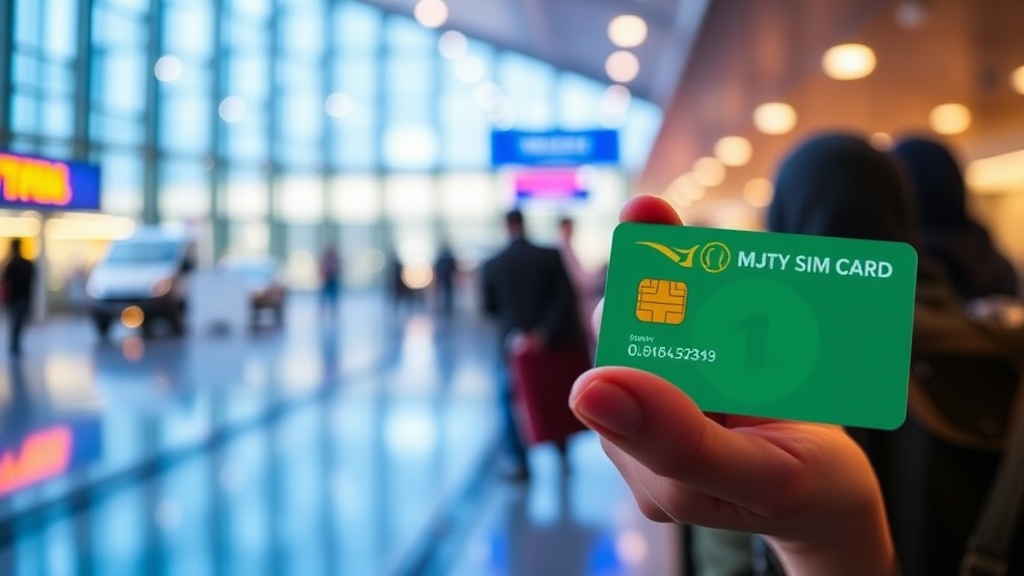
Why You Should Buy a Local SIM Card at the Airport

Quick Tip
Buying a local SIM card immediately upon arrival saves money and ensures you have reliable GPS and data for navigation.
Why You Should Buy a Local SIM Card at the Airport
Are you planning to rely on expensive international roaming packages or spotty public Wi-Fi during your next trip? Buying a local SIM card immediately upon landing at an international airport is one of the most effective ways to manage your travel budget and maintain constant connectivity. This guide explains the logistical advantages of securing a local connection before you even leave the terminal.
Cost Efficiency and Data Limits
International roaming fees from major carriers like Verizon or AT&T can exceed $10 per day, often for very limited data buckets. In contrast, purchasing a local SIM card provides significantly higher data allowances for a fraction of the price. For example, in many Southeast Asian hubs like Bangkok or Ho Chi Minh City, you can often secure 10GB to 20GB of high-speed 4G/5G data for under $15 USD. This ensures you can use navigation apps, translation tools, and ride-sharing services like Grab without fear of a sudden bill from your home provider.
Immediate Utility Upon Arrival
The most critical moment for connectivity is often the first hour of your trip. You will likely need to access digital maps to find your hotel, use a ride-hailing app to reach your accommodation, or contact your host. By purchasing a SIM at an airport kiosk—such as those operated by Vodafone in Europe or Singtel in Singapore—you avoid the "dead zone" period where you are searching for free Wi-Fi in a taxi or train. Having a working data connection the moment you clear customs allows for seamless transitions from the airport to your first destination.
Practical Steps for Success
To ensure the process is seamless, follow these technical requirements:
- Check Device Compatibility: Ensure your smartphone is unlocked. If your phone is still under a contract with a domestic carrier, it may be locked to that specific network, preventing a local SIM from working.
- Identify Reputable Kiosks: Look for official branded kiosks located near the baggage claim or customs exit. These vendors can often assist with the physical installation and basic setup of the SIM.
- Verify Registration Requirements: Many countries, such as Thailand or Turkey, require a passport to register a SIM card for legal compliance. Having your passport easily accessible during the purchase is mandatory.
- Consider eSIM Options: If your phone supports eSIM technology (like iPhone 12 or newer models), you can often purchase and activate a plan via apps like Airalo or Holafly before you even depart, though a physical SIM at the airport remains the most reliable way to get local phone numbers for restaurant or tour reservations.
Securing your connection at the airport transforms a potential logistical headache into a controlled, predictable expense.