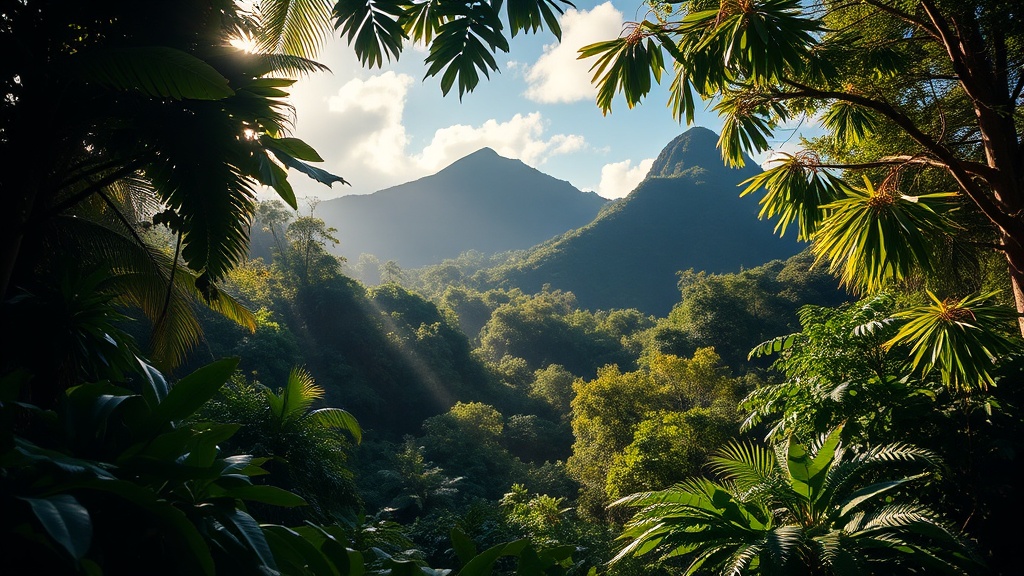
Why Costa Rica Remains a Top Tier Destination for Wildlife Enthusiasts

The Biological Density of Costa Rica
Roughly 5% of the world’s biodiversity lives within the borders of a country that occupies only 0.03% of the Earth’s landmass. This isn't just a statistic; it is the reason why Costa Rica stands apart from other tropical destinations. While many travelers seek out the beach, the real value of this destination lies in its biological corridors. You aren't just visiting a country; you're entering a living laboratory where the coexistence of ecosystems—from cloud forests to dry tropical forests—creates a high-density environment for endemic species.
This post examines the specific biological drivers that make Costa Rica a premier destination for wildlife observation. We look at the seasonal shifts, the specific ecosystems to target, and the logistical realities of seeing wildlife in the wild without relying on luck or heavy-handed intervention.
Where Can You See the Most Wildlife in Costa Rica?
If you want to maximize your sightings, you have to understand the concept of biological zones. You cannot simply pick a beach and expect to see a sloth. You must choose a region that aligns with the specific species you want to observe. For example, the Osa Peninsula is often cited as one of the most biologically intense places on the planet. According to research from the World Wildlife Fund, this region contains a high concentration of endangered species due to its relative isolation.
- The Osa Peninsula: High density of jaguars and scarlet macaws. This is for the serious observer who doesn't mind a rugged, less developed experience.
- Monteverde Cloud Forest: The primary spot for the Resplendent Quetzal. The mist and high altitude create a unique microclimate that supports specific avian life.
- Tortuguero National Park: A critical nesting site for Green Sea Turtles. This area is essentially a water-based highway for biodiversity.
The key is to match your itinerary to a specific biome. If you want sea turtles, you head to the Caribbean coast. If you want monkeys and toucans, the Pacific side and the central highlands offer different, yet equally dense, opportunities.
When Is the Best Time to Visit for Wildlife Sightens?
The traditional way to divide time in Costa Rica is the "Green Season" (May to November) and the "Dry Season" (December to April). However, if your goal is wildlife, the distinction is more nuanced than just weather. During the green season, the rainfall increases, which can actually drive certain species out of the canopy and closer to the ground. This visibility can be a benefit, even if your hiking boots get a little muddy.
Consider the following data points when timing your trip:
| Season | Primary Benefit | Primary Challenge |
|---|---|---|
| Dry Season (Dec-Apr) | Easier hiking; clearer skies | Lower water levels; less lush vegetation |
| Green Season (May-Nov) | High biological activity; lower costs | Increased rain; more difficult movement |
For bird watchers, the transition months—specifically April and November—often provide a sweet spot where the weather is predictable, but the biological activity remains high. If you are looking for nesting seasons, you must check the specific lunar cycles for sea turtles, as much of that behavior is tied to the moon rather than the season.
How Do You Observe Wildlife Without Disrupting the Ecosystem?
The most common mistake travelers make is prioritizing a "photo op" over the welfare of the animal. In the age of social media, the pressure to get the perfect shot can lead to unethical behaviors. High-quality wildlife viewing requires a certain level of restraint. You aren't there to interact; you're there to witness.
Following the guidelines set by organizations like the Sierra Club and local conservation groups, there are a few unwritten rules for the ethical traveler:
- Maintain Distance: If an animal changes its behavior because of your presence, you are too close.
- No Feeding: It might seem harmless, but feeding wildlife alters their natural foraging behaviors and can lead to dependency.
- Silence is a Tool: Use silence to observe. The more noise you make, the less you will see.
True experts in the field—the local naturalists and professional guides—will always tell you that the best way to see wildlife is to move slowly and wait. A stationary position is often more productive than a constant trek through the brush. If you find a spot where a specific species is active, sit. Wait. The movement in the canopy is often subtle, and patience is your most valuable asset.
A professional guide is not just a luxury; they are a data-driven necessity. A trained eye can spot the slight movement of a camouflaged lizard or the shape of a sleeping sloth that a standard tourist eye would miss entirely. This isn't about "vibes" or luck; it's about knowing the specific biological cues that indicate life in a dense environment.