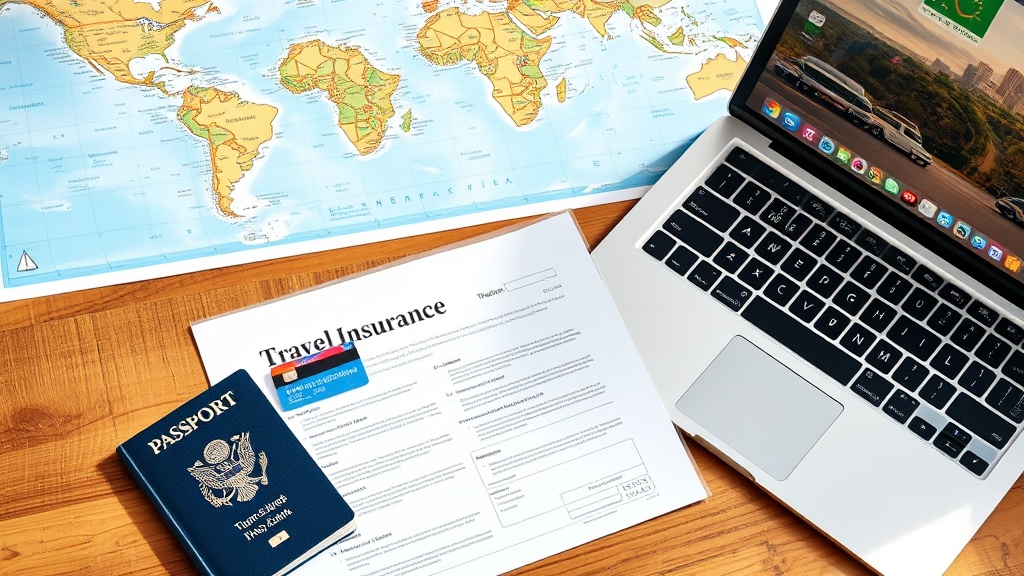
Travel Insurance in 2026: A Data‑Driven Guide to Protect Your Trip

Why is travel insurance more important than ever in 2026?
Ever booked a dream trip only to have a sudden illness, a flight cancellation, or a lost luggage incident drain your budget? You're not alone—travel mishaps still cost the average traveler $1,200 in 2026 (source: World Travel Market 2026 report). The good news? A well‑chosen policy can shield you from most of those surprises.
What does modern travel insurance actually cover?
Insurance products have evolved beyond the classic “medical + trip cancellation” bundle. Below is a quick‑reference table of the most common coverage types you’ll encounter in 2026:
| Coverage | Typical Limits (USD) | When It Pays Off |
|---|---|---|
| Medical Expenses | $250,000–$500,000 | Emergency hospital stays, doctor visits abroad |
| Trip Cancellation/Interruption | 100% of prepaid costs | Flight shutdowns, natural disasters, sudden illness |
| Baggage Loss/Delay | $2,500 per trip | Lost luggage, delayed bags over 24 hrs |
| Travel Delay | $1,000 per 12 hrs | Airline strikes, weather‑related delays |
| Adventure Sports | $10,000 per incident | Skiing, scuba, zip‑lining (often an add‑on) |
| COVID‑19 & Pandemic‑Related | Varies | Quarantine expenses, test reimbursements |
How can I pick the right policy without overpaying?
Follow these data‑driven steps to match coverage to your trip profile and keep costs under control.
- Map your risk profile. Ask yourself:
- Will I be doing high‑adventure activities?
- Is my destination prone to weather‑related disruptions?
- Do I have existing health coverage that extends abroad?
For a quick risk calculator, try the InsureMyTrip risk tool (2026 version).
When should I buy my travel insurance?
Timing matters. Data from the Airfarewatchdog 2025 study shows that purchasing insurance within 24 hours of booking yields the lowest premiums—the insurer views early purchase as lower risk. For long‑lead trips (e.g., a 6‑month cruise), you can wait up to 30 days to lock in a better rate while monitoring price‑tracking tools.
Which providers are the most reliable in 2026?
Based on claim‑settlement speed, coverage breadth, and customer satisfaction, the top three providers are:
- World Nomads — Best for adventure sports, 24‑hour claim processing.
- Allianz Travel — Strong medical network, excellent European coverage.
- InsureMyTrip (aggregator) — Lets you compare dozens of carriers, transparent pricing.
All three are listed on the Consumer Reports 2026 travel insurance rankings.
How does travel insurance interact with other trip‑planning tools?
- When you find the cheapest flights, add an “insurance cost” column to compare total trip expense.
- If you’re booking a workcation city, check whether your policy covers coworking‑space cancellations.
- For sustainable trips, look for policies that include “eco‑friendly” reimbursements (e.g., carbon‑offset refunds) — a niche offering highlighted in the 2026 Travel Trends report.
What are the most common claim pitfalls and how to avoid them?
Even the best policy can be rendered useless if you miss a key requirement. Here are three frequent mistakes and quick fixes:
- Not documenting expenses. Keep digital receipts in a cloud folder; most insurers require proof within 30 days of the incident.
- Missing the claim filing window. Policies typically give 60 days to file; set a calendar reminder as soon as the event occurs.
- Ignoring pre‑existing condition clauses. If you have a chronic condition, purchase a policy that specifically includes it or add a rider before your trip starts.
Takeaway: Your 5‑Step Checklist for 2026 Travel Insurance
- Assess your risk profile (adventure, health, destination).
- Use a price‑to‑coverage calculator (Squaremouth, InsureMyTrip).
- Check credit‑card benefits and avoid duplicate coverage.
- Buy within 24 hours of booking, unless you’re monitoring for price drops.
- Save all receipts, file claims promptly, and review exclusions before you travel.
With these steps, you’ll travel confidently knowing you’ve mitigated the financial fallout of the unexpected.
Steps
- 1
Map your risk profile
Identify adventure activities, destination risks, and existing health coverage to determine needed coverage.
- 2
Compare price‑to‑coverage ratios
Use tools like Squaremouth to see cost per $1,000 of coverage and pick the best value plan.
- 3
Check exclusions carefully
Read policy fine print for pandemic, pre‑existing condition, and activity exclusions.
- 4
Leverage credit‑card benefits
Use premium card travel protections to avoid duplicate coverage and reduce costs.
- 5
Buy at the optimal time
Purchase within 24 hours of booking for lowest premiums, or monitor for price drops on long‑lead trips.