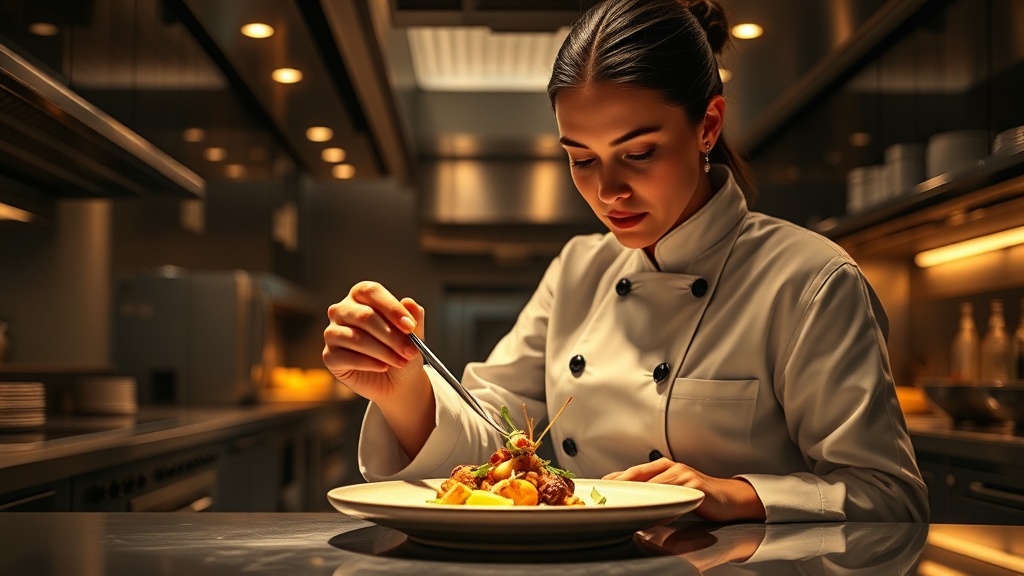
Top 12 Culinary Destinations Led by Female Chefs: Ranked for IWD 2026
Women chefs aren't just earning stars — they're redefining what fine dining means in entire cities. But most IWD food coverage is either profile-based ("meet these inspiring women!") or vague ("female chefs are having a moment!"). Neither is useful if you're trying to plan a trip.
So I did what I always do: built a framework, pulled the data, and ranked 12 destinations by the actual depth and influence of their female-led culinary scenes. This isn't about individual chefs. It's about where women chefs have reshaped entire food cultures — enough that traveling there specifically to eat their food makes sense.
Three days before International Women's Day, here's your evidence-based answer to where women chefs have the most structural power in global fine dining.
The Methodology
Five criteria. 100 points total. Here's how I weighted them:
| Criterion | Points | Why This Weight |
|---|---|---|
| Michelin stars held by women chefs (city/region) | 30 | Most rigorous external validation; 3★ weighted exponentially vs. 1★ |
| World's 50 Best representation | 20 | Different jury, different methodology — cross-validation matters |
| Depth of women-led acclaimed dining ecosystem | 20 | Star count alone misses the bench strength below Michelin threshold |
| Culinary media recognition (Bon Appétit, Food & Wine, The Guardian, 50 Next) | 15 | Identifies women building narrative influence, not just star count |
| Cuisine diversity led by women | 15 | A single dominant chef skews star data; diversity shows structural change |
Important caveat: Michelin doesn't publish gender breakdowns. I cross-referenced Michelin Guide listings with individual restaurant press pages, chef interviews, and awards databases to verify women in head chef/chef-owner roles. I counted only current (2025-2026) starred status. Where I had genuine uncertainty, I noted it.
One more methodological note: I weighted chef-owner status more heavily than chef-only roles within each criterion. Full creative and operational authority is structurally different from being an excellent hired chef within a male-led hospitality group. Both matter — they count differently.
Tier 1: Where Women Have Reshaped the Fine Dining Canon
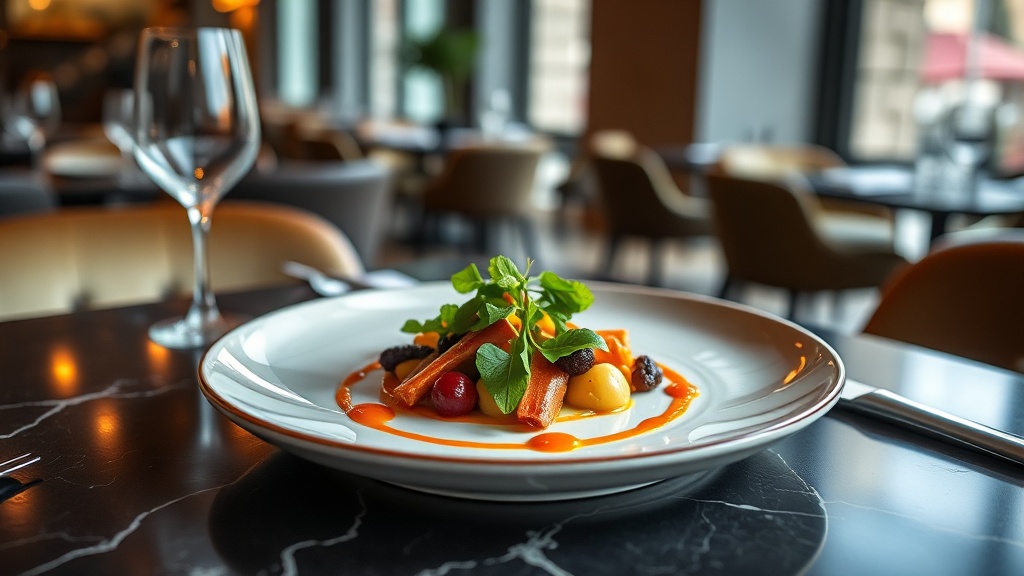
1. San Sebastián / Basque Country, Spain — 89/100
| Criterion | Score |
|---|---|
| Michelin stars (women) | 28/30 |
| World's 50 Best | 18/20 |
| Ecosystem depth | 19/20 |
| Media recognition | 14/15 |
| Cuisine diversity | 10/15 |
Spain leads — but not for the reason most people assume. Yes, Elena Arzak at Arzak (San Sebastián, 3 stars) is the obvious anchor. She's been co-leading one of the world's most decorated restaurants for 30+ years alongside her father Juan Mari, and she's now effectively running it independently. That's not an emerging story; that's an institution.
What makes the Basque Country extraordinary is the bench. The region has produced a pipeline of women chefs who've trained in top kitchens and gone on to lead their own. The culture of txoko (gastronomic societies) has historically excluded women — and Basque women chefs built parallel influence structures outside of it. There's a defiant creativity in the Basque female chef scene that I find compelling precisely because it developed in opposition to gatekeeping.
The cuisine diversity score (10/15) is the one drag: Basque women chefs are deeply concentrated in nueva cocina vasca and traditional Basque cuisine. Brilliant — but not broad.
Best reservation to prioritize: Arzak (book 2-3 months ahead; €€€€). For the emerging tier: explore the broader Donostia pintxos scene beyond the starred circuit — some of the most interesting women-led culinary work in the Basque Country is happening at bars and small producers below the Michelin threshold.
2. Paris, France — 86/100
| Criterion | Score |
|---|---|
| Michelin stars (women) | 26/30 |
| World's 50 Best | 17/20 |
| Ecosystem depth | 18/20 |
| Media recognition | 15/15 |
| Cuisine diversity | 10/15 |
Hélène Darroze remains one of the most internationally recognized female chefs in the world. Her flagship Paris restaurant Marsan par Hélène Darroze holds 2 Michelin stars — distinct from her 3-star work at The Connaught in London. The more interesting Paris story in 2025-2026 is happening in the arrondissements that Michelin inspectors are finally catching up to: women-led bistronomie in the 11th and 18th, natural wine-focused restaurants with serious female culinary vision behind the stove.
Anne-Sophie Pic doesn't primarily cook in Paris (her main kitchen is in Valence — more on that below), but her Paris satellite La Dame de Pic (1 Michelin star) remains a benchmark for women-led fine dining in the city. For a city that's had historically male-dominated fine dining, the shift is real and accelerating.
Media recognition: Paris earns 15/15. Every major food publication covers Paris female chefs extensively, which also means the field is crowded and reservation competition is fierce.
Best reservation to prioritize: La Dame de Pic (3-4 weeks lead time; €€€€). More accessible entry: Marsan par Hélène Darroze (book 2-3 weeks; €€€).
3. San Francisco, USA — 84/100
| Criterion | Score |
|---|---|
| Michelin stars (women) | 27/30 |
| World's 50 Best | 15/20 |
| Ecosystem depth | 17/20 |
| Media recognition | 14/15 |
| Cuisine diversity | 11/15 |
Dominique Crenn changed the score for this entire city. Atelier Crenn (3 Michelin stars) is one of the few 3-star experiences in the world led by a woman who is also the chef-owner — not a chef working under a male-led hospitality group. That structural distinction matters. Crenn has full creative and operational authority, and she's used it to build a portfolio: Petit Crenn (French coastal, more intimate format; €€€) and Le Comptoir at Bar Crenn (1 Michelin star; €€€€).
San Francisco's diversity score (11/15) reflects genuine breadth: women chefs leading ambitious Vietnamese, Californian, Japanese-Californian, and Peruvian-influenced fine dining simultaneously. That's unusual in a single metro area.
The World's 50 Best gap (15/20) keeps SF out of the top two — the jury still skews heavily European, and no Bay Area restaurant has cracked the top 25 recently.
Best reservation to prioritize: Atelier Crenn (book 6-8 weeks ahead; €€€€). Accessible entry: Petit Crenn (3-4 weeks; €€€).
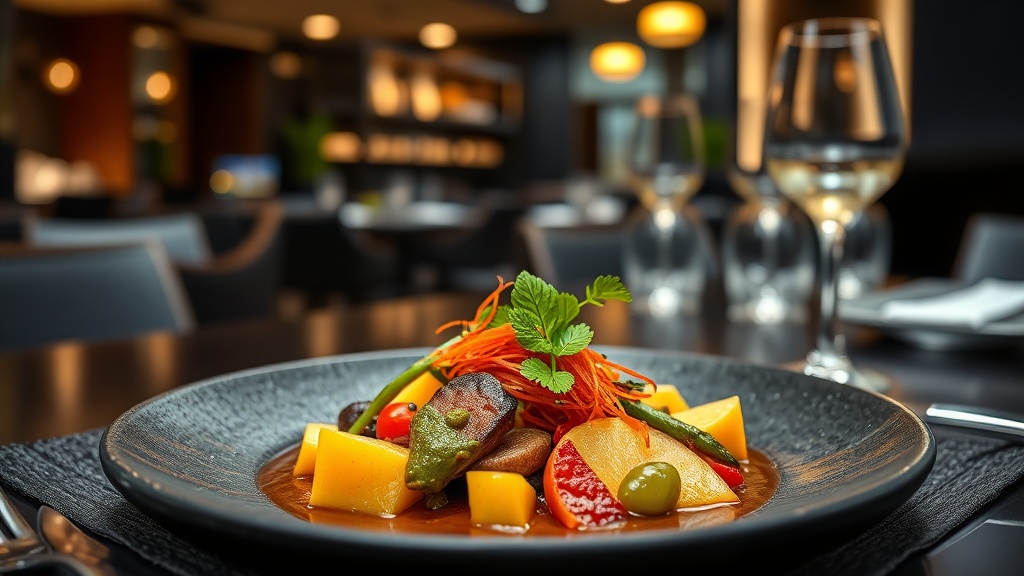
4. Lima, Peru — 82/100
| Criterion | Score |
|---|---|
| Michelin stars (women) | 18/30 |
| World's 50 Best | 20/20 |
| Ecosystem depth | 15/20 |
| Media recognition | 14/15 |
| Cuisine diversity | 15/15 |
Lima scores lower on Michelin because Peru isn't currently on the Guide circuit — Michelin has expanded into South America (Brazil and Argentina have coverage), but Peru hasn't been included yet. That gap costs points here despite world-class culinary talent. Pía León is among the most consequential female chefs in the world by almost any measure: World's Best Female Chef 2021, Kjolle consistently in the World's 50 Best, and Central — where she's co-executive chef alongside Virgilio Martínez — reached #1 on the World's 50 Best in 2023.
The key structural fact: Kjolle is specifically her restaurant. Not a satellite, not a collaboration branded under a male chef's umbrella. Her own vision, her own sourcing relationships with Andean communities, her own menu articulating 3,000+ years of Peruvian ingredient traditions across altitude zones.
Cuisine diversity: 15/15 — maximum score. No other destination on this list has women chefs working across comparable ingredient and ecological breadth.
Lima is increasingly a long-haul bucket-list trip, not a casual weekend. But for fine dining as primary purpose, no destination delivers more distinctive culinary experience per kilometer traveled.
Best reservation to prioritize: Kjolle (book 4-6 weeks ahead; €€€ — remarkable value relative to equivalent-prestige peers). Central requires similar lead time at €€€€.
Tier 2: Emerging Female Chef Leadership — Deep Scenes, Growing Global Recognition
5. Copenhagen, Denmark — 78/100
Copenhagen's female chef story is almost entirely Noma-adjacent, and that's both the ceiling and the floor. The world's most influential restaurant produced a network of alumni who've gone on to lead their own projects — and several of the most compelling are women. The New Nordic movement was co-created by women, even if the global narrative credited the male founders.
Kamilla Seidler (formerly of Gustu in Bolivia, now based back in Denmark) is the most globally visible name. The broader scene around Vesterbro and Nørrebro has woman-led natural wine bistros and Nordic-influenced tasting menus that fly under the Michelin radar but consistently outperform their star count in creative ambition.
The Michelin gap (19/30) keeps Copenhagen out of Tier 1: the Guide has historically awarded stars to male-led projects at higher rates here, though this is shifting.
6. Tokyo, Japan — 77/100
Tokyo is quietly extraordinary for women in fine dining — it's just not visible in Western culinary media because the Japanese Michelin circuit doesn't get the same English-language coverage.
Women lead several acclaimed kaiseki restaurants across Tokyo and Kyoto; female sushi masters, while still rare, are gaining serious recognition. The broader izakaya and kappo scenes have women-led kitchens that hold significant community respect, even without Western-style media recognition.
The media recognition score (9/15) reflects this asymmetry: incredible talent, low international spotlight. For the data-driven traveler, that's actually useful information — lower competition for reservations and better value at equivalent quality tiers. Research via Tableall or Omakase booking platforms, which list chef names prominently.
7. Mexico City, Mexico — 75/100
Gabriela Cámara (Contramar) is the most internationally visible name, but CDMX's female-led culinary scene extends far beyond her. The city's street food and market cooking traditions have always been women-led — the transition to formal restaurant recognition for those women is the current story.
The most exciting development: chefs in the generation coming out of serious mentorship networks are opening restaurants that take traditional Mexican technique seriously at fine dining price points, explicitly centering indigenous ingredient knowledge. Women are leading that reclamation.
Cuisine diversity: 14/15. Pre-Hispanic techniques, coastal cuisines, contemporary Mexican, and pastry/chocolate traditions with breadth that no other city on this list matches at comparable price points.
Best reservation: Contramar (book 2-3 weeks; €€ — exceptional value). For tasting menu experiences: research current Roma Norte and Condesa openings led by female chefs (€€€).
8. Melbourne / Sydney, Australia — 73/100
Australia's female chef story is genuinely underreported internationally. Alla Wolf-Tasker (Lake House, Daylesford — decades of women-led fine dining in regional Victoria) and the current generation led by figures like Palisa Anderson (Chat Thai group, sustainable Thai-Australian cooking) represent real depth.
Melbourne scores particularly well on cuisine diversity: women-led Thai, Vietnamese, contemporary Australian, and natural wine-forward bistro formats create a scene with genuine breadth. Sydney adds seafood and coastal Australian fine dining led by women.
The Michelin gap matters here — Australia isn't fully on the Guide circuit — which costs points on star criteria despite clear equivalent quality. Brae in Birregurra (Victoria) is a destination restaurant experience worth the regional detour (€€€€; book months ahead).
9. London, UK — 72/100
Clare Smyth at Core (3 Michelin stars) is the most straightforward argument for London: one of the only women in the world to hold 3 stars in a standalone restaurant she founded as chef-owner. Skye Gyngell at Spring adds genuine ecosystem depth — her career trajectory from River Café to founding Spring has been foundational for a generation of women chefs working in the farm-to-table tradition.
London's challenge — and why it's Tier 2 rather than Tier 1 — is that the scene is still relatively concentrated. A small number of highly decorated female chefs carry most of the prestige weight; the ecosystem below that tier is less developed than Paris or San Francisco.
Best reservation: Core by Clare Smyth (book 8-12 weeks ahead; €€€€). Accessible entry: Spring by Skye Gyngell (1-2 weeks; €€€).
Tier 3: Building Movements — Where the Trajectory Matters
10. Seoul, South Korea — 68/100
Seoul's female chef story is happening fast. The Korean fine dining renaissance has created space for women chefs who draw on hansik traditions to get serious international attention. The infrastructure is still developing — fewer stars, less World's 50 Best representation — but the trajectory is steeper than almost any other city on this list.
The most interesting angle: women-led fermentation-focused restaurants. Korea's jang (fermented soybean paste) and kimchi traditions were historically women's knowledge — jangdokdae culture, the household soy sauce and paste crock garden, was managed by women across generations. Contemporary Korean women chefs are reclaiming that technical sophistication as the foundation for haute cuisine. Watch this space closely.
11. Lisbon, Portugal — 65/100
Marlene Vieira — whose flagship restaurant Marlene has earned serious Michelin recognition — is building a clear vision for how Portuguese cuisine should evolve. The broader scene is still developing, but Lisbon's food moment — it's been on every "trending destination" list for three years — is creating real investment in restaurant openings, and women chefs are capturing a meaningful share.
12. Valence / Lyon Corridor, France (Regional) — 64/100
A standalone entry because Anne-Sophie Pic at Maison Pic (Valence, 3 Michelin stars) deserves her own geographic node. This is a pilgrimage destination, specifically for her cooking. If you're building a women-chef-focused itinerary through France, the Paris → Valence leg is non-negotiable.
The region scores lower overall because Pic is effectively carrying it solo. Lyon's female chef scene is less developed despite the city's culinary reputation — which is ironic given that Lyon's historic kitchen culture, the mères lyonnaises, was entirely women-led. The modern fine dining world has been slow to credit that lineage properly.
Traveler Profiles: Which Destination Fits You
Fine dining bucket-lister (experience over budget): San Sebastián for Arzak, San Francisco for Atelier Crenn, London for Core, or Valence for Maison Pic. These are among the only restaurants on earth where a woman holds 3 Michelin stars as chef-owner — and each one represents a distinct culinary vision worth crossing time zones for.
Best value-to-quality ratio: Lima. Pía León at Kjolle is a once-in-a-decade culinary experience at prices that would be considered mid-range in Paris. The Michelin absence is your opportunity — use it while it lasts.
Emerging talent at lower prices: Mexico City or Seoul. Both have women-led restaurants doing genuinely innovative work at €€ price points, before broader market discovery prices them out of reach.
Women-owned everyday dining (not just fine dining): Melbourne or Mexico City. Both have women-led neighborhood restaurants, market stalls, and cafe concepts where the female-led food culture is a daily, democratic experience — not reserved for tasting menus.
Maximum cuisine diversity: Lima (Andean altitude zones, pre-Hispanic techniques, extraordinary ecological range) or Mexico City (pre-Hispanic, coastal, contemporary, pastry traditions with breadth that no other city matches at equivalent price points).
Practical Booking Notes
Reservation lead times by tier (estimates as of March 2026 — verify directly before booking, as availability fluctuates significantly by season):
- Atelier Crenn, Core by Clare Smyth, Arzak: 6-12 weeks minimum
- Kjolle, Maison Pic, La Dame de Pic: 4-8 weeks
- Most Tier 2 destinations: 2-4 weeks
- Seoul and Lisbon: often 1-3 weeks (for now — get in while the window is open)
How to verify women leadership before booking:
- Check the restaurant's About/Team page for chef bio and title — head chef vs. chef-owner distinctions matter
- Search for press coverage from the last 12 months; stale coverage may reflect departed chefs
- For Japan: use Tableall or Omakase booking platforms, which list chef names prominently
- When uncertain, contact the restaurant directly; most high-end spots respond to booking inquiries about current kitchen leadership
Price range guide (author's own convention — per person, tasting menu unless noted):
- €: under $50 | €€: $50-100 | €€€: $100-200 | €€€€: $200+
- Lima remains the category exception: €€€€-equivalent quality at €€€ prices — the gap is genuinely significant
The Summary
The cities where women chefs have the most structural power in 2026 aren't the ones where a single brilliant woman has broken through. They're the cities where the bench is deep enough that the food scene would look fundamentally different without women's leadership.
Spain, San Francisco, and Lima are those cities right now.
Seoul and Mexico City will be in that conversation within five years.
Plan your trips accordingly.
The best way to celebrate women in food? Eat their food.
— Nadia
Methodology notes: Michelin star data current as of March 2026 Guide listings. World's 50 Best data from 2024/2025 lists (2026 ceremony announced for November 2026 in Abu Dhabi). Chef verification conducted via individual restaurant press pages and published chef biographies. Cuisine diversity scoring reflects my assessment of the range of culinary traditions led by women in each city — a subjective criterion with transparent rubric. Corrections welcome in the comments.