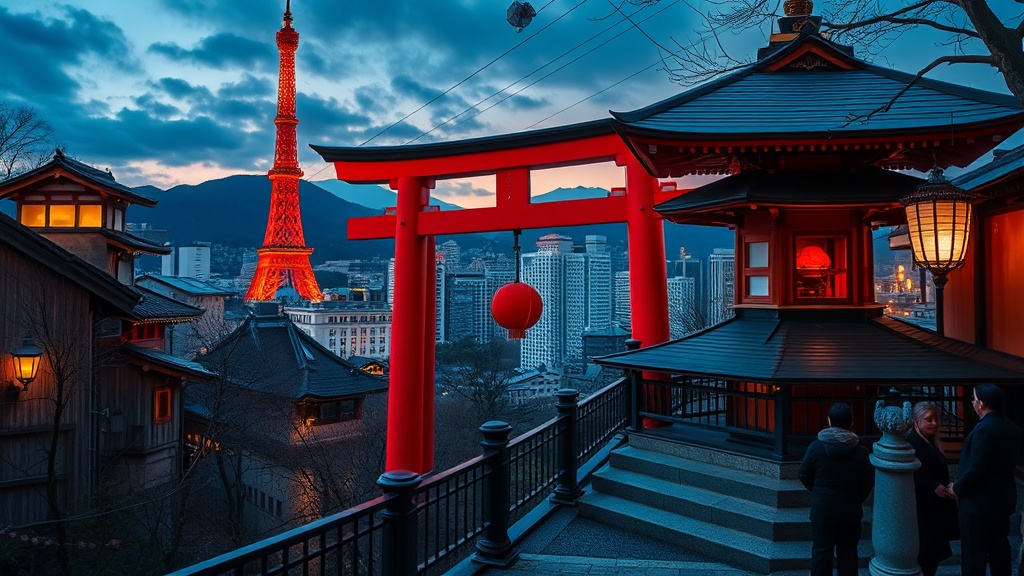
The Complete First-Timer's Guide to Exploring Japan

Planning a first trip to Japan requires navigating complex transportation systems, understanding cultural expectations, and prioritizing destinations across an archipelago spanning 377,975 square kilometers. This guide provides actionable, data-backed information to help travelers maximize a 7-14 day itinerary while avoiding common logistical pitfalls that derail first-time visits.
When to Visit: Weather Data and Crowd Patterns
Japan's tourism peaks during cherry blossom season (late March to early April), but data reveals this isn't always optimal. According to Japan National Tourism Organization (JNTO) statistics, March 2024 saw 3.08 million international visitors—a 69.5% increase from 2019. Cherry blossom forecasts vary by region: Tokyo typically blooms March 20-30, Kyoto March 25-April 5, and Sapporo early May.
Optimal windows based on weather and crowd data:
- Late April to early May: Post-sakura prices drop 15-25%, temperatures average 15-20°C (59-68°F), and Golden Week (April 29-May 5) aside, crowds thin significantly.
- October to November: Autumn foliage rivals spring's appeal. Kyoto's autumn colors peak mid-November. Hotel rates in Osaka average ¥12,000 ($80 USD) versus ¥18,000 ($120 USD) in April.
- January-February: Hokkaido's Sapporo Snow Festival (February 6-12, 2025) draws 2 million visitors. Ski resort towns like Niseko see 80% international visitors during this period.
Avoid Obon (mid-August) and Golden Week entirely. Shinkansen (bullet train) reservations during these periods require booking 30 days in advance, and hotel prices in Tokyo increase 40-60%.
Transportation: The JR Pass Decision
The Japan Rail Pass sparks endless debate. At ¥50,000 ($335 USD) for a 7-day pass (price increased October 2023), the math only works for high-velocity itineraries.
Break-even analysis:
- Tokyo to Kyoto round trip via Nozomi Shinkansen: ¥27,700 ($185 USD)
- Tokyo to Hiroshima round trip: ¥38,000 ($255 USD)
- 7-day pass value requires approximately ¥50,000 in JR travel
For a Tokyo-Kyoto-Osaka triangle with day trips to Nara and Hiroshima, the pass pays for itself. For Tokyo-only stays with side trips to Nikko or Kamakura, individual tickets cost less. The 14-day pass (¥80,000 / $535 USD) suits journeys extending to Kyushu or northern Tohoku.
Critical purchasing rule: The JR Pass must be bought outside Japan through authorized resellers like JRPass.com or Klook. Exchange orders must be activated within 90 days of purchase. Once activated, consecutive-day counting begins immediately.
Within cities, prepaid IC cards (Suica, Pasmo, Icoca) eliminate fare calculation errors. The Welcome Suica card for tourists requires no deposit and works nationwide. Tokyo's subway 24-hour pass (¥800 / $5.35 USD) pays for itself after 3 rides.
Tokyo: Prioritizing 23 Wards
Tokyo Prefecture contains 23 special wards, 26 cities, and multiple islands. First-timers should focus on three core areas:
Western Tokyo (Shinjuku, Shibuya, Harajuku)
Shinjuku Station serves 3.6 million passengers daily—the world's busiest. The station's 200+ exits include direct access to:
- Tokyo Metropolitan Government Building: Free observation decks on floors 45 of both towers, open until 10:30 PM.
- Shinjuku Gyoen National Garden: ¥500 ($3.35 USD) entry. Three distinct garden styles (Japanese, French, English) across 144 acres.
- Memory Lane (Omoide Yokocho): Approximately 60 food stalls along narrow alleyways established post-WWII.
Shibuya Crossing processes up to 3,000 pedestrians per signal cycle. The Magnet by Shibuya 109 rooftop (¥1,200 / $8 USD) provides superior photo angles versus the overcrowded Starbucks across the street.
Eastern Tokyo (Asakusa, Ueno, Akihabara)
Senso-ji Temple in Asakusa predates Tokyo itself (founded 645 CE). The Nakamise shopping street's 90+ stalls open at 10 AM. Morning visits before 9 AM avoid tour bus crowds.
Ueno Park contains seven major museums. The Tokyo National Museum's Japanese gallery alone houses 110,000 artifacts. Admission: ¥1,000 ($6.70 USD). Nearby Ameyoko Market's 400+ stalls sell seafood, clothing, and military surplus—bargaining accepted.
Southern Tokyo (Roppongi, Odaiba, Ginza)
Mori Art Museum in Roppongi Hills combines contemporary exhibitions with Tokyo Tower views. Combined ticket (museum + sky deck): ¥2,200 ($15 USD). The building closes at 10 PM, making it ideal for jet-lag adjustment.
TeamLab Borderless reopened in Azabudai Hills (February 2024) after closing its Odaiba location. Tickets require advance purchase online; same-day availability is rare. Adult admission: ¥3,800 ($25 USD).
Kyoto: Managing Overtourism
Kyoto received 86 million domestic and international visitors in 2019—approximately 130 tourists per resident. The city implemented countermeasures including bus route adjustments and photography restrictions in Gion's geisha districts.
Strategic timing for major sites:
- Fushimi Inari Shrine: Arrive by 7 AM to photograph the 10,000 torii gates without crowds. The full hike to the summit takes 2-3 hours and 85% of visitors turn back at the midpoint.
- Kinkaku-ji (Golden Pavilion): Opens 9 AM. Bus 205 from Kyoto Station (¥230 / $1.55 USD) arrives in 40 minutes. The 2024 entry fee is ¥500 ($3.35 USD).
- Arashiyama Bamboo Grove: Sunrise access provides empty pathways. The grove connects to Tenryu-ji Temple (UNESCO site, ¥500 entry) and Iwatayama Monkey Park (¥550, 170 macaques).
Fushimi Inari and Kiyomizu-dera remain free. Kyoto's municipal buses (flat ¥230 fare) accept IC cards but cash requires exact change. The Kyoto Bus One-Day Pass (¥1,100 / $7.35 USD) suits itineraries with 5+ bus rides.
Osaka: Food Economics and Day Trips
Osaka's Dotonbori district represents Japan's street food density peak. Budget ¥3,000-5,000 ($20-35 USD) for a comprehensive food tour:
- Takoyaki (octopus balls): ¥500-800 for 6 pieces at specialized stalls
- Kushikatsu (fried skewers): ¥150-300 per skewer at Daruma or Yaekatsu
- Okonomiyaki (savory pancakes): ¥800-1,200 at Mizuno or Chibo
Osaka Castle's reconstructed concrete exterior (entry ¥600 / $4 USD) disappoints some visitors. The surrounding park's 300 cherry trees and moat views cost nothing.
Nara as a day trip: Kintetsu Nara Station to Nara Park takes 45 minutes from Osaka Namba (¥680 / $4.55 USD). Todai-ji Temple's Great Buddha Hall houses a 15-meter bronze statue requiring four castings. The 1,300 free-roaming sika deer recognize cracker vendors (shika senbei cost ¥200).
Essential Logistics
Accommodation Strategy
Japanese hotel rooms average 15-18 square meters—significantly smaller than Western equivalents. Tokyo's business hotels (APA, Toyoko Inn, Dormy Inn) offer functional rooms from ¥8,000-12,000 ($53-80 USD) nightly. These chains provide consistent quality: all rooms include bidet toilets, pajamas, and often onsen-style public baths.
Ryokan stays (traditional inns) typically require two-night minimums and cost ¥20,000-50,000 ($135-335 USD) per person including kaiseki dinner. For a single ryokan experience, prioritize Hakone (proximity to Tokyo, 90 minutes by Romancecar express) or Kyoto's Arashiyama district.
Dining Etiquette and Reservations
High-end restaurants (Michelin-listed, traditional kaiseki) require reservations 1-3 months ahead. Services like Pocket Concierge or TableCheck facilitate foreign bookings. Mid-range establishments (izakaya, ramen shops) operate on walk-in basis.
Payment expectations vary:
- Cash remains king at small restaurants and temples. Carry ¥10,000-20,000 ($67-135 USD) daily.
- 7-Eleven and FamilyMart ATMs accept foreign cards with no fees beyond your bank's charges.
- Tipping does not exist. Leaving money on the table causes confusion.
Connectivity
Pocket WiFi rental (¥800-1,200 / $5.35-8 USD daily) suits groups sharing a connection. eSIM providers like Airalo or Ubigi offer 10GB/30-day plans for $18-25 USD. Free WiFi exists at major stations and convenience stores but requires email registration.
Cultural Navigation
Japan's unwritten social rules confuse visitors, but three principles prevent most issues:
Volume control: Conversations on trains and in restaurants stay at whisper levels. Phone calls on public transport are prohibited. The "no talking on phones" rule applies even on crowded Yamanote Line trains during rush hour.
Shoes removal: Step-over thresholds mark shoe-free zones. Wear slip-on shoes for temple and restaurant visits. Some establishments provide lockers (¥100-300); others expect shoes left on shelves.
Trash disposal: Public trash cans remain rare since the 1995 sarin attacks. Convenience stores accept recycling. Carry plastic bags for temporary storage.
Sample 10-Day Itinerary Framework
Days 1-4: Tokyo
Day 1: Shinjuku arrival, Metropolitan Government Building, Memory Lane dinner
Day 2: Senso-ji Temple (morning), Ueno museums, Akihabara evening
Day 3: TeamLab Borderless, Tsukiji Outer Market, Ginza architecture walk
Day 4: Day trip to Nikko (Toshogu Shrine, 2 hours from Asakusa)
Days 5-7: Kyoto
Day 5: Shinkansen to Kyoto (2 hours 15 minutes), Fushimi Inari afternoon/evening
Day 6: Northern Higashiyama (Ginkaku-ji, Philosopher's Path), Kiyomizu-dera sunset
Day 7: Arashiyama morning, Kinkaku-ji, Nishiki Market
Days 8-10: Osaka and Departure
Day 8: Train to Osaka (15 minutes on JR Special Rapid), Osaka Castle, Dotonbori night
Day 9: Nara day trip (Todai-ji, Kasuga Taisha)
Day 10: Kansai International Airport departure (direct train from Namba, 50 minutes)
This framework covers approximately 250 miles of ground transportation while minimizing accommodation changes. The JR Pass 7-day activated on Day 5 covers all intercity travel plus airport transfers, yielding roughly ¥15,000 ($100 USD) in savings versus individual tickets.