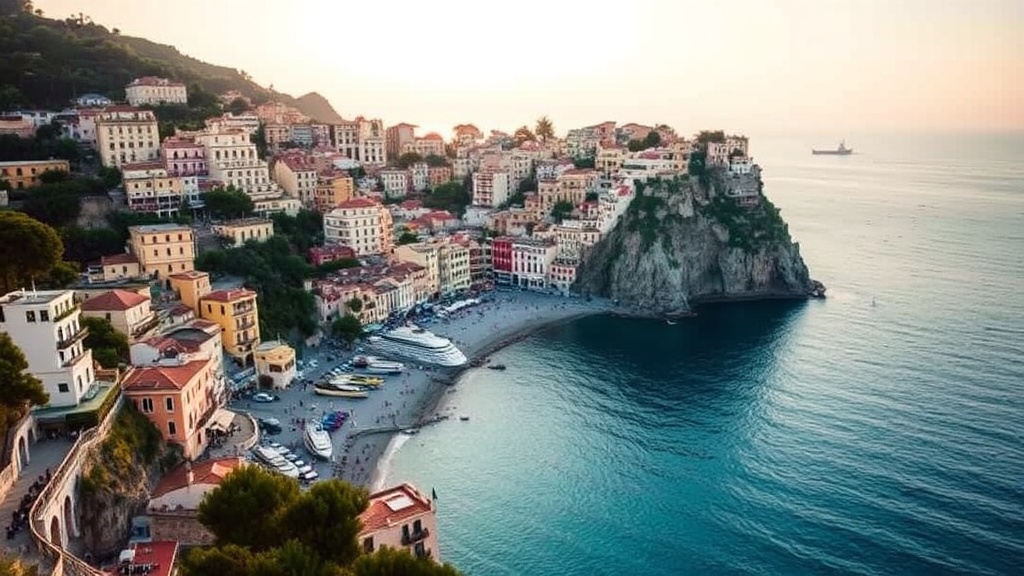
Predicting the Best Time to Visit the Amalfi Coast

Most travelers assume that visiting the Amalfi Coast in July or August offers the quintessential Mediterranean experience. They believe the crowds and the heat are the price of admission for sun-drenched cliffs and turquoise waters. This is a mistake. If you rely solely on peak season, you aren't just paying more for hotels; you're often trading actual enjoyment for a logistical headache of crowded ferries and impenetrable pedestrian streets. To get the most out of this region, you need to look at climate data and seasonal occupancy patterns rather than social media trends.
The Amalfi Coast—a stretch of coastline in Southern Italy known for its steep cliffs and lemon groves—operates on a highly seasonal rhythm. Understanding this rhythm means looking at more than just the temperature. You have to consider the availability of boat rentals, the frequency of ferry service, and the sheer density of people on the Sentiero degli Dei hiking path. This guide breaks down the seasonal shifts to help you decide when to book your trip based on your specific priorities.
When is the weather most comfortable for coastal hiking?
If your goal is to hike the rugged trails of the Amalfi Coast, the window between late April and early June is your target. During these months, the temperature stays between 15°C and 22°C (59°F to 72°F). This is a sweet spot—not too hot for physical exertion, but warm enough to enjoy the views. By July, the heat becomes a factor. The verticality of the region means there is little shade on many trails, and the sun can be punishing.
September and October are also strong contenders for hikers. The sea remains warm from the summer heat, and the air begins to cool. However, you have to account for the increased risk of rain. Autumn in Italy can bring unpredictable weather patterns that might turn a mountain trail into a slippery, difficult trek. For those seeking the most reliable dry days, the late spring window is statistically the safest bet.
| Month | Avg Temp (High) | Crowd Density | Primary Activity |
|---|---|---|---|
| May | 23°C | Moderate | Hiking & Sightseeing |
| July | 30°C | High | Beach & Boating |
| September | 26°C | Moderate | Coastal Dining & Boat Tours |
For those looking for official meteorological data to plan their trips, the Time and Date climate profiles provide granular details on precipitation and temperature trends for the region.
Is summer the most expensive time to visit?
The short answer is yes. The pricing models for luxury hotels in Positano and Amalfi are designed to peak during the high season (July and August). During this time, even boutique accommodations see a massive spike in nightly rates. If you are trying to manage a strict budget, you'll find that the value-to-cost ratio actually dips during these months. You are paying a premium for the same view, but with significantly less space.
To find better value, look at the shoulder seasons. May and October offer a way to access high-end accommodations at a fraction of the summer cost. While the service remains high, the sheer volume of guests is lower, meaning you can often secure reservations at popular restaurants like those in Ravello without a weeks-long lead time. This isn't just about saving money—it's about access. When the crowds thin, the ability to actually experience the culture rather than just observing a crowd increases.
What is the best month for boat tours and water activities?
If your trip revolves around the water—renting a private gozzo or taking a ferry to Capri—you want to aim for the warmest months, specifically June through August. While the cost is higher, the sea state is generally more predictable and the water temperature is at its peak. It's much more pleasant to jump into the Mediterranean when it's 25°C than when it's 19°C in May.
However, there is a catch. The sheer number of vessels on the water during peak summer can make the experience feel cluttered. If you want to feel like you have the ocean to yourself, aim for September. The sea is still warm, the water is clear, and the number of tour boats begins to drop. It's a perfect time for a long afternoon on a boat without the constant buzzing of a hundred other engines nearby. You can find more information on maritime safety and seasonal sea conditions via the Italian Ministry of Infrastructure and Transport.
When planning your itinerary, remember that the Amalfi Coast is a collection of diverse towns. Positano is the social hub, much of the nightlife and high-end shopping happens here. Amalfi is more historical and central for transport. Sorrento, while technically just outside the Amalfi Coast proper, serves as a vital transit point. Your choice of month should align with which of these atmospheres you are looking for. A quiet, contemplative trip is best served by the early spring or late autumn, while a high-energy, sun-soaked vacation is the domain of mid-summer.
Always check the ferry schedules before you depart. In the off-season (November through March), many ferry routes are either drastically reduced or suspended entirely due to winter weather. This can leave you reliant on the SITA buses, which are often crowded and much slower. If you don't want to spend your entire vacation stuck on a bus, ensure your travel dates fall within the operational window of the local maritime transport services.