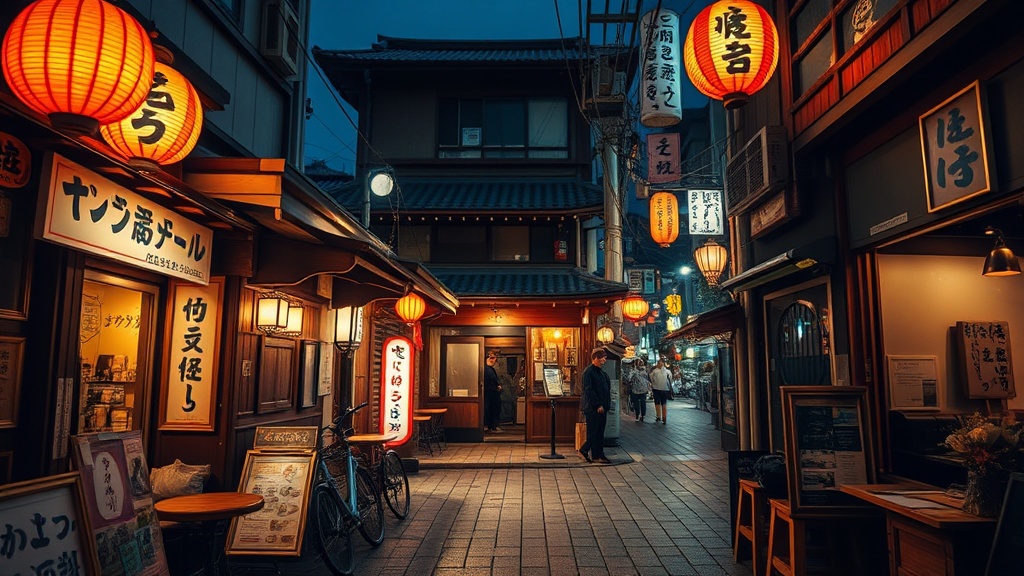
Navigating the Hidden Coffee Houses of Kyoto: A Local's Secret Map

While the average tourist in Kyoto spends approximately 4.2 hours per day navigating the crowded corridors of Nishiki Market or the Gion district, there is a parallel, quieter economy operating in the side streets of Nakagyo-ku and Sakyo-ku. In these neighborhoods, the density of "Kissaten"—traditional Japanese coffee houses—remains high, yet many operate with such extreme discretion that they do not appear on standard global ranking platforms. Finding these establishments requires moving beyond wayfinding apps and understanding the specific architectural and cultural markers that signal a high-quality, low-traffic coffee experience.
The Anatomy of a Kyoto Kissatent: What to Look For
To navigate Kyoto’s coffee scene effectively, one must first distinguish between a modern "Third Wave" cafe and a traditional Kissatenten. While modern cafes focus on light roasts and oat milk alternatives, the traditional Kyoto coffee house is built on the principle of precision and ritual. When scouting for a location, look for these three specific indicators of quality and authenticity:
- The Noren (Fabric Divider): A heavy, high-quality linen or cotton noren hanging in the doorway is not merely a decoration; it is a signal of a controlled environment. It indicates that the establishment manages its internal temperature and light levels strictly to protect the coffee's delicate oils.
- Dark Wood and Low Lumens: High-quality traditional shops prioritize a low-light environment. If you see bright, fluorescent lighting, you are likely in a high-turnover cafe. Seek out places with dim, warm lighting and dark wood finishes, which are designed to minimize visual distractions.
- The Hand-Drip Setup: Observe the counter. A legitimate high-end shop will feature specialized equipment such as the Kalita Wave or Hario V60, but more importantly, you should see a dedicated pour-over station with a gooseneck kettle.
The Micro-Neighborhood Guide: Where to Find the Best Brews
Kyoto is not a monolith. The coffee culture shifts significantly as you move from the central commercial districts to the northern academic sectors. To find the most secluded and high-quality establishments, target these specific zones.
The Nakagyo-ku Precision Hub
Located near the central business district, Nakagyo-ku is the epicenter of the "refined" coffee movement. This area is ideal for those seeking a highly disciplined approach to brewing. Here, the focus is on the technicality of the roast. You will find many shops that specialize in dark, oily roasts that have been developed to pair perfectly with traditional Japanese sweets.
One specific area to explore is the perimeter of the Teramachi Street area. While the main street is bustling, the small alleys (roji) branching off toward the Kamo River contain shops that often have no signage in English and may even have a "no photography" policy. This is a deliberate tactic to maintain the sanctity of the coffee experience.
The Sakyo-ku Academic Retreat
Moving north toward Kyoto University, the atmosphere shifts from "refined precision" to "experimental craft." This district is the best place to find baristas who are experimenting with single-origin beans from Ethiopia or Colombia using modern extraction methods. If you are looking for a lighter, more acidic profile, this is your target destination. The density of students and academics ensures a high level of intellectual discourse within these spaces, making them ideal for deep work or focused reading.
A Technical Protocol for Ordering Coffee in Kyoto
Ordering in a high-end Kyoto coffee house is a technical process. To ensure you receive the highest quality product, avoid the mistake of asking for "a coffee" or "an Americano." These terms are often too broad for the precision-oriented baristas in these establishments. Instead, use the following specific terminology to navigate the menu:
- Request a "Hand-Drip" (Hando-Dorippu): This specifies that you want the coffee prepared via the manual pour-over method rather than an automated machine. This ensures the barista controls the water temperature and flow rate specifically for your cup.
- Inquire About the Roast Profile: Ask if the beans are Koshaku (light roast) or Koshaku-me (dark roast). If you prefer a classic, heavy-bodied Japanese coffee, ask for a "Dark Roast" or "Italian Roast."
- Specify the Bean Origin: In premium shops, the bean origin is the most important variable. Instead of a generic order, ask: "Today's single origin is what?" This signals to the staff that you value the specific terroir of the coffee.
"In the highest tier of Kyoto coffee culture, the barista is not a service worker, but a technician. The goal is not speed, but the perfect extraction of flavor through controlled heat and gravity."
The Essential "Coffee and Sweet" Pairings
In Kyoto, coffee is rarely consumed in isolation. To experience the full scope of the local culture, you must understand the traditional pairings. The bitterness of a high-quality dark roast is mathematically designed to be offset by the sweetness of specific Japanese confectionery. When visiting these hidden houses, look for the following items on the menu:
- Anko (Red Bean Paste): The dense, sugary profile of Anko provides a stark, satisfying contrast to the acidity of a light-roast pour-over.
- Wagashi (Traditional Sweets): These are often seasonal. In the spring, you may find Sakura Mochi, which offers a subtle floral note that complements a medium-bodied coffee.
- Castella Cake: This sponge cake, often found in older Kissatentens, has a consistent, honey-like sweetness that pairs exceptionally well with the chocolatey notes of a Sumatran or Brazilian bean.
Practical Logistics: Timing and Etiquette
To truly experience these "hidden" locations, you must align your visits with their specific operational rhythms. Many of the best shops in Kyoto do not follow the standard 9-to-5 retail schedule. Some are "morning only" establishments, specializing in the Morning Service—a tradition where ordering coffee before 11:00 AM grants you a small side of thick-cut toast and a hard-boiled egg.
The "No-Go" Times: Avoid visiting between 12:00 PM and 2:00 PM. This is the lunch rush for local workers, and the "secluded" atmosphere you are seeking will be replaced by high-decibel social interaction. The best time for a solitary, high-quality coffee experience is either at 8:30 AM (for the Morning Service) or at 3:30 PM, when the light begins to dim and the afternoon crowd has not yet arrived.
The Etiquette of Space: In many of these smaller, more traditional shops, the seating is limited. It is common to see single-seat counters facing the barista. Do not attempt to occupy a larger table if you are a solo traveler; it is considered a breach of social etiquette in these high-density, high-precision environments. Furthermore, be prepared for a "no laptop" policy in certain traditional establishments. These shops prioritize the sensory experience of the coffee over digital productivity.
Summary Checklist for the Discerning Coffee Traveler
Before you head out into the streets of Kyoto, ensure you have the following mental checklist to maximize your chances of finding a truly exceptional brew:
- Target Neighborhoods: Focus on the alleys of Nakagyo-ku for tradition, or Sakyo-ku for modern experimentation.
- Identify Quality: Look for noren dividers, low-light settings, and manual pour-over equipment.
- Order with Precision: Use terms like "Hand-Drip" and "Single Origin" to communicate your expectations.
- Pair Strategically: Seek out Anko or Castella to complement your roast profile.
- Respect the Rhythm: Visit during the "Morning Service" or the mid-afternoon lull to avoid the lunch rush.
By applying these rigorous standards of observation and interaction, you move beyond the superficial "tourist" experience and enter the sophisticated world of Kyoto’s true coffee connoisseurs. You are no longer just looking for a place to sit; you are searching for a specific, engineered moment of flavor.