How to Master the Art of Street Food Tours in Southeast Asia

In the world of travel journalism, we are often taught to look for the signal through the noise. When it comes to Southeast Asia, the "noise" is the overwhelming sensory input of a night market in Bangkok or a street corner in Hanoi: the hiss of woks, the scent of fermented fish sauce, and the chaotic choreography of motorbikes. To the uninitiated, this looks like chaos. To the seasoned traveler, it is a highly organized, high-velocity culinary ecosystem.
Mastering street food isn't about "following your nose"—that is a vague heuristic that leads to inconsistent results. Instead, it requires a methodology. You need to understand the indicators of food safety, the logistics of peak dining hours, and the cultural etiquette that allows you to move from a cautious spectator to a confident participant. At Best Places To Go, we believe in data over vibes. This guide provides the structural framework you need to navigate the street food landscapes of Vietnam, Thailand, Malaysia, and beyond.
1. The High-Volume Indicator: Assessing Food Safety
The most common deterrent for travelers is the fear of "street food stomach." While the risk is never zero, you can mathematically lower your probability of illness by observing turnover rates. In a high-velocity food environment, the freshest ingredients are those that move the fastest.
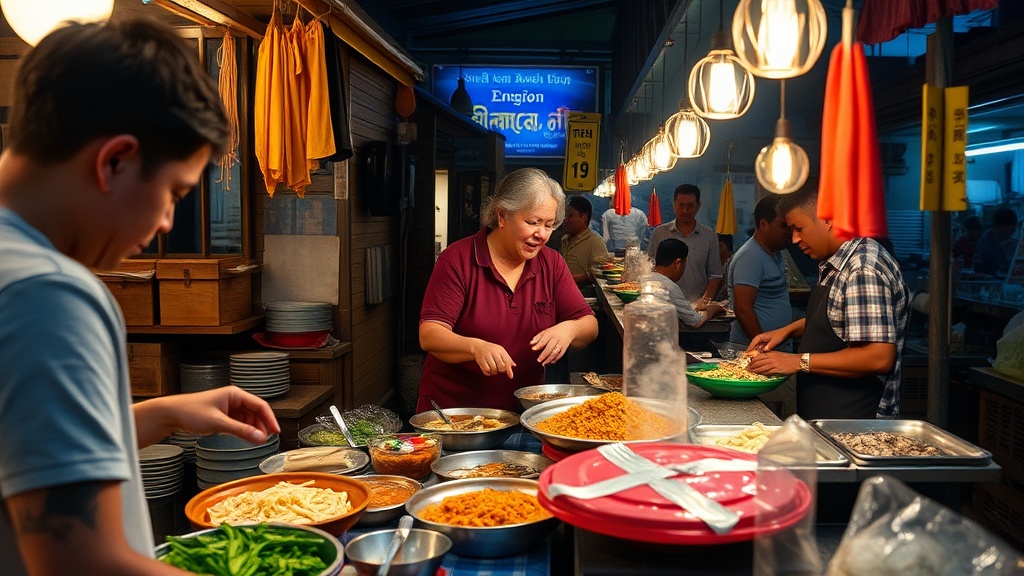
Look for the Crowd Density: A stall with a long queue of locals is not just a popular spot; it is a sign of a high turnover rate. High turnover means the ingredients are not sitting in ambient temperatures for extended periods. If you see a stall with a single, lonely customer, the risk of sitting food or stagnant oil increases significantly.
The "Cooked-to-Order" Rule: Whenever possible, prioritize stalls where the food is prepared in front of you using high heat. The thermal death point for most common foodborne pathogens is achieved through vigorous boiling, frying, or grilling. Avoid raw vegetable salads or unpeeled fruits if you are in an area with questionable water quality. Instead, focus on dishes like Pad Thai, Pho, or Satay, where the heat of the wok or grill serves as a final sterilization step.
Watch the Hands: Observe the vendor’s workflow. Do they handle raw meat and then touch the finished plate without washing? Do they use the same utensils for cash and food? While these processes may look different from Western standards, a consistent, clean workflow is a reliable indicator of professional standards.
2. Strategic Timing and Logistics
Street food is not a 24/7 constant; it is a rhythmic occurrence dictated by local commerce and heat cycles. If you arrive at a night market at 10:00 PM, you may find the best vendors have already sold out of their primary inventory. To maximize your experience, you must align your appetite with the local clock.
- The Breakfast Window (6:00 AM – 9:00 AM): This is the era of heavy, steaming noodles and rice porridge (Congee). This is when the energy of the city is highest.
- The Lunch Rush (11:30 AM – 1:30 PM): Focus on quick, single-dish meals. This is the best time for Banh Mi or quick noodle soups.
- The Night Market Peak (6:00 PM – 9:00 PM): This is the golden hour for variety. This is when the specialized vendors—those who only make one specific type of snack or grilled meat—come out to play.
Planning your meals around these windows is a form of mental organization. Just as you might declutter your digital life to improve focus, decluttering your travel itinerary by focusing on specific food windows prevents the fatigue of aimless wandering.
3. Navigating the Menu: A Tactical Approach
In many parts of Southeast Asia, menus are not printed in English, and the concept of "ordering" is more of a visual transaction. You cannot rely on a list of ingredients; you must rely on observation.
The Visual Order
If a vendor does not have a written menu, look for the "hero dish." Most successful street vendors specialize in one or two items. If you see a vendor expertly flipping pancakes or skewering meat, that is their specialty. Do not ask them for something else; you are there for the one thing they have mastered. This specialization ensures both quality and speed.
Managing Dietary Restrictions
If you have allergies, the "standard" way of communicating is often insufficient. A simple "no peanuts" might be lost in translation. I recommend carrying a small, laminated card in the local language that explicitly states your allergy. For example, in Thailand, a card should specify "No shrimp paste" or "No fish sauce," as these are foundational ingredients that are often hidden in sauces.
When traveling through rugged terrain or remote areas, maintaining your nutritional integrity is vital. If you are preparing for a more intense physical excursion—perhaps similar to trekking through the valleys of Bhutan—ensure you are getting a balance of carbohydrates and proteins from your street food to maintain your energy levels.
4. The Essential Toolkit: What to Carry
To be a professional street food enthusiast, you need more than just an appetite. You need a kit that facilitates hygiene and comfort. Carrying these items will significantly reduce the friction of eating in non-traditional settings.
- Hand Sanitizer and Wet Wipes: Even if you wash your hands, a quick wipe of the table or your fingers before eating is a necessary precaution.
- A Reusable Water Bottle: Use this for water you have brought yourself or for rinsing your hands. Never drink tap water.
- Small Change/Local Currency: Many street vendors do not accept credit cards, and even those with QR code systems may have connectivity issues. Having small denominations of local cash is non-negotiable.
- A Lightweight Microfiber Towel: Street food environments can be humid and messy. A small towel is useful for wiping your face or hands after a particularly saucy meal.
Much like how you would finance your adventure upgrades with a strategic budget, investing in a high-quality, compact kit ensures that your daily "food budget" isn't undermined by the discomfort of poor hygiene or lack of preparation.
5. Cultural Etiquette and the Unwritten Rules
Street food is a social contract. You are a guest in a space that is often the primary livelihood for the vendor. Respecting the local customs is not just about being polite; it’s about ensuring a smooth, respectful interaction.
The Seating Protocol: In many Southeast Asian night markets, seating is communal and often cramped. If you see an empty stool, it is often a signal that it is available, but it is polite to make eye contact with the person currently eating to ensure they aren't expecting a friend. If the space is crowded, do not be afraid to ask, "Is this seat taken?" or the local equivalent.
Tipping and Payment: In many Western cultures, tipping is a standard expectation. In Southeast Asia, particularly in street food settings, it is not. While a small amount of change left on the table is rarely seen as an insult, it is not required. The fair price is the price listed. If the service was exceptional, a small tip is appreciated, but it is not a rule.
The Pace of Service: Street food is fast, but it is not "fast food" in the Western sense of a drive-thru. There is a rhythm to the cooking. Do not rush the vendor. Once you have ordered, wait. The process of hand-pulling noodles or charcoal-grilling meat takes time, and rushing the vendor can lead to errors in your order.
6. Recovery and Long-Term Health
Even with the best methodology, your digestive system will be adjusting to new spices, oils, and bacterial profiles. It is important to listen to your body. If you feel a minor bout of indigestion, do not ignore it. This is a time to prioritize gut health and rest. Much like the advice found in a playbook for cognitive longevity, physical longevity relies on proactive management of your internal systems.
If you find that the heat and spice are overwhelming, pivot to "safe" foods for a day: plain rice, steamed vegetables, or clear broths. This allows your microbiome to recalibrate without the stress of constant inflammation. Additionally, ensure you are staying hydrated with electrolytes, as the combination of heat and spicy food can lead to rapid dehydration.
"The goal of street food exploration is not to test your limits, but to expand your palate within a framework of safety and respect."
By treating street food as a discipline rather than a gamble, you transform a potentially stressful experience into the highlight of your journey. Use these metrics, respect the local rhythms, and you will find that the best meals in the world aren't found in Michelin-starred dining rooms, but on the side of a busy road under a single lightbulb.
Steps
- 1
Follow the Crowds
- 2
Watch the Chef Prepare It
- 3
Look for High Turnover
- 4
Carry Small Change