Hidden Gems of the Amalfi Coast: A Complete Travel Guide

The Amalfi Coast doesn't need another love letter to Positano. This guide cuts past the crowds and focuses on the underrated towns, practical logistics, and local experiences that turn a standard Italian vacation into something genuinely memorable. You'll find specific places to stay, eat, and explore—plus the logistics of getting there without losing your sanity on the SS163.
What are the best hidden gems on the Amalfi Coast?
The best hidden gems include Praiano, Atrani, Cetara, and the inland gardens of Ravello. While tour buses clog the streets of Positano and Instagrammers queue for the same lemon-stand photo, these spots offer the same dramatic coastline with a fraction of the foot traffic and twice the authenticity.
Praiano
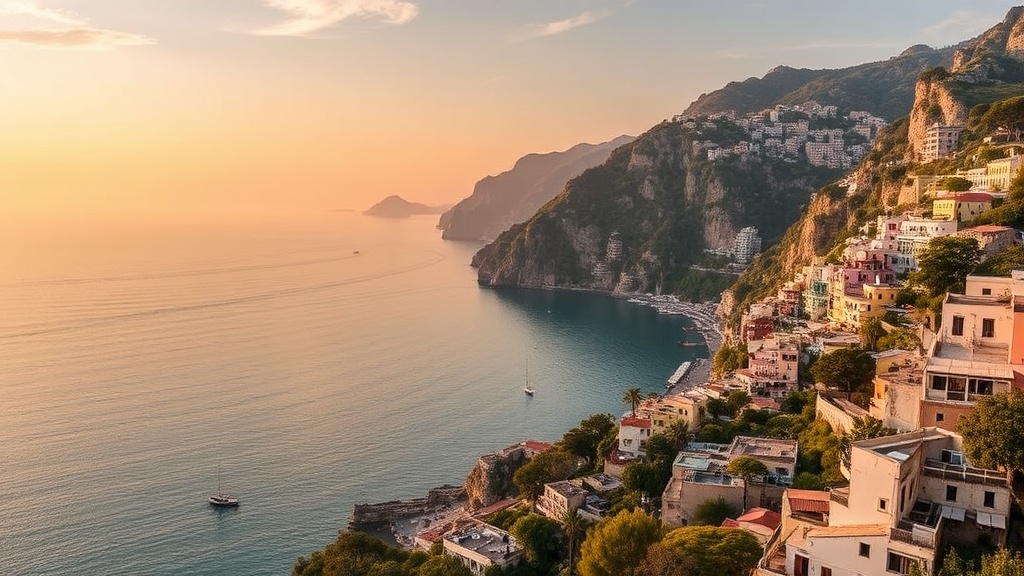
Praiano sits sandwiched between Positano and Conca dei Marini, and somehow most visitors blow right past it on the coastal road. That's their loss—and your gain. The town splits into two distinct halves: Vettica Maggiore climbs the cliff in a tangle of pastel houses and staircases, while Marina di Praia hugs the water in a narrow fjord-like inlet. You'll get sunsets that rival anything in Positano (some locals argue they're better) without fighting for terrace space at Le Sirenuse. The beach at Marina di Praia is tiny. Bring water shoes. The pebbles are unforgiving, but the water clarity is unreal, and the rocky outcrops create natural swimming pools on calm days.
Da Adolfo—a beach shack turned local institution—is reachable by boat from Positano, but staying in Praiano puts it practically in your backyard. Order the mozzarella grilled on lemon leaves. Don't skip the house wine. (It's served in cracked ceramic cups, and somehow that makes it taste better.) Reservations are mandatory in July and August, though in shoulder season you can sometimes walk up around 1:00 p.m. and snag a table.
Atrani
Atrani is a five-minute walk from Amalfi, yet it feels like stepping back three decades. It's Italy's smallest municipality by area—just 0.12 square kilometers—and the main piazza wraps around the church of San Salvatore de' Birecto like a hug. Kids still kick soccer balls here at dusk. Grandmothers watch from balconies draped with laundry. There are no boutique shops selling €20 lemon magnets, just a couple of alimentari stores where the owner will slice prosciutto while you wait.
Here's the thing: Atrani has no luxury hotels, no valet parking, no concierge desks. It has basic apartments and one or two family-run guesthouses where breakfast is a basket left on your doorknob. That's exactly the point. You're paying for proximity to Amalfi's ferries and cathedrals while sleeping in a town that still functions like a fishing village. Dinner at A' Paranza—order the scialatielli ai frutti di mare—costs roughly half what you'd pay one harbor over, and the owner might sit down with you for a limoncello after dessert.
Cetara
Cetara is the coast's last honest-to-goodness working fishing port. Anchovy boats still dominate the harbor, painted in bold blues and reds, and the town smells like the sea in the best way possible. The Colatura di Alici—a fermented anchovy sauce dating back to Roman garum—is produced here and essentially nowhere else on the coast. Buy a bottle from the cooperative near the marina. Drizzle it on spaghetti with garlic and parsley at home. You'll understand why Cetara residents never felt the need to move inland or open souvenir shops.
The beach is coarse sand and fishing nets, not polished lidos with €25 sunbeds. That said, it's one of the few places on the coast where you can swim before noon without bumping into someone's inflatable unicorn or having a drone buzz overhead. The water here is deep quickly, so it's better for confident swimmers than toddlers.
Ravello's quieter corners
Ravello itself isn't exactly hidden—it hosts a world-famous music festival every summer that draws classical music fans from across Europe. But most day-trippers cluster around Villa Rufolo and never venture farther than the central piazza. Walk the Villa Cimbrone gardens at opening hour (9:00 a.m.). The Terrace of Infinity lives up to its name, and if you arrive before the tour groups from Sorrento, you'll have it for twenty minutes of pure silence. Worth noting: the gardens close earlier than Villa Rufolo, so plan accordingly if you're coming from Amalfi by bus.
Beyond the villas, Ravelleto—a tiny hamlet just below Ravello proper—has a handful of agriturismos serving meals on terraces that most tourists never see. The walk down takes about thirty minutes on a well-maintained stairpath. The walk back up? That's why taxis exist.
When is the best time to visit the Amalfi Coast without the crowds?
May and late September offer the ideal balance of warm weather, open ferries, and manageable crowds. June through August transforms the SS163 into a parking lot, and temperatures regularly top 90°F with humidity that makes even the shade feel sticky. By mid-October, some restaurants and hotels start shuttering for the season, though the hardcore travelers among you might appreciate the empty hiking trails and the last of the grape harvest.
April can be absolutely gorgeous—or it can be rainy enough to cancel ferry services for days. The ferry schedules run on a reduced timetable, and some beach clubs haven't set out their umbrellas yet. The catch? You'll find rock-bottom rates at normally eye-wateringly expensive properties like the Hotel Santa Caterina in Amalfi. If your itinerary is car-based and you're comfortable with some meteorological unpredictability, April is a genuine steal.
Here's a quick breakdown of what to expect by month:
| Month | Crowd Level | Weather | Best For |
|---|---|---|---|
| April | Low | Mild, some rain | Budget travelers, hikers |
| May | Moderate | Warm, sunny | First-time visitors, beach days |
| June–August | High | Hot, humid | Nightlife, festivals |
| September | Moderate | Warm, stable | Swimming, sightseeing |
| October | Low | Cooler, crisp | Hiking, food tours |
Where should you stay on the Amalfi Coast for an authentic experience?
For an authentic experience, skip the international luxury chains and base yourself in a family-run guesthouse or small boutique hotel in Praiano, Minori, or Atrani. These towns still function as communities rather than tourist theme parks, which means your morning coffee comes with actual local conversation instead of a queue of influencers.
In Praiano, look for properties along Via Roma or tucked into the staircases leading down to Marina di Praia. Many apartments come with lemon-terraced patios and zero elevator access—pack light, or hire a porter. The trade-off is waking up to church bells and the smell of espresso from the bar downstairs. Casa Angelina, while technically a design hotel, maintains strong local ties and sources its breakfast pastries from a nearby bakery in Conca dei Marini.
Minori is another under-the-radar base that first-timers often overlook. It's flatter than almost any other Amalfi town—a genuine rarity here—which means you can actually walk to dinner without climbing 200 steps or paying €15 for a taxi. Sal De Riso, the legendary pasticceria, operates out of Minori. Their lemon croissants—filled with ricotta and candied citrus—sell out by 10:00 a.m. on summer weekends. Consider that your alarm clock.
If budget isn't a concern and you want five-star service without sacrificing authenticity, the Monastero Santa Rosa in Conca dei Marini strikes a rare balance. It's a converted 17th-century monastery with cliffside infinity pools and a spa housed in former monks' cells, but the staff are almost exclusively local, and the restaurant sources vegetables from nearby Agerola farms. You're ten minutes from Amalfi by car yet feel completely removed from the bustle.
How do you get around the Amalfi Coast?
You get around by a mix of SITA buses, ferries, occasional taxis, and your own two feet. Driving a rental car here is possible—but unless you're comfortable with hairpin turns, buses barreling toward you in your lane, and parking spaces that measure roughly the width of a Vespa, it's not recommended for most visitors.
The SITA Sud bus line connects Salerno to Sorrento with stops at every major town. A single ticket costs around €2.40, and the UnicoCostiera 24-hour pass (€10) pays for itself after four rides. Buses run frequently in summer—every 20 to 40 minutes—but they're often standing-room-only between Positano and Amalfi. Board at the earlier stops if you can. The views from the right-hand side (facing Salerno) are the best, though you'll be hanging onto the handrail either way.
Ferries are the superior option when weather permits. Travelmar and NLG operate routes between Salerno, Amalfi, Positano, and Capri. The views from the water beat anything you'll see from the bus window, and you'll skip the traffic entirely. A ticket from Salerno to Positano takes about 70 minutes and costs roughly €18. Buy tickets at the pier or through the Ferryhopper app. The catch? High winds can cancel services with little notice, so always have a backup bus plan.
For hikers, the Sentiero degli Dei (Path of the Gods) is the most famous trail, running from Bomerano to Nocelle high above Positano. It's rated moderate difficulty, about 7.8 kilometers, and offers the coast's best panoramas without a single admission fee. Less known but equally rewarding is the Valle delle Ferriere, an inland walk from Amalfi through mossy waterfalls and rare prehistoric fern valleys. Wear proper hiking shoes—Nike Air Max won't cut it on these limestone paths, and sandals are an invitation for a twisted ankle.
What should you pack for the Amalfi Coast?
Pack light, breathable layers, sturdy walking sandals, and one slightly dressier outfit for dinner. The Amalfi Coast is vertical—stairs are unavoidable, cobblestones will destroy flimsy footwear, and most hotel rooms don't have the closet space for an overflowing suitcase.
For footwear, opt for something with actual arch support and a rubber sole. Teva Universal Trail sandals or Ecco Yucatan styles handle the uneven terrain without looking like hiking boots at a waterfront trattoria. You'll also want a wide-brimmed hat—the sun here reflects off both sea and pale limestone, and shade is scarce on the trails. A packable straw hat from Brixton or Wallaroo works well and fits in a carry-on.
Swimwear should include a rash guard or light cover-up. Many beaches are pebbly, and you'll spend as much time lounging on concrete piers or rocky outcrops as soft sand. A tote bag that zips closed is smart; the ferries get windy, and nobody wants to chase a sunscreen bottle across the deck of a Travelmar vessel. Don't forget reef-safe sunscreen—the water quality here is part of the appeal, and you'll be swimming enough to justify the extra cost.
Limoncello makes a fine souvenir, but glass bottles are heavy. Villa Divina and Il Gusto della Costa both ship internationally if you buy in person or online. Buy a small 200ml bottle for the flight home, then order the rest delivered. Your luggage—and your back—will thank you when you're hauling a suitcase up Praiano's staircases.
The Amalfi Coast rewards the prepared traveler. Show up with a loose itinerary, a tolerance for stairs, and a willingness to eat whatever the fisherman brought in that morning. The rest tends to work itself out—usually over a glass of local Falanghina and a bowl of pasta alle vongole.