Eco‑Conscious Spring Cleaning 2026: Low‑Cost Swaps to Cut Waste

Ready to give your home a fresh start without adding to the landfill? This spring, a simple switch to reusable tools and greener cleaners can cut waste by up to 12%—the exact rise the EPA flagged in its latest report.
Spring cleaning is more than a chore; it’s an opportunity to align your home with the same data‑driven rigor I bring to travel rankings. Let’s turn that tradition into a low‑cost, low‑impact habit.
Why does spring cleaning matter for the planet?
The EPA’s 2026 household waste analysis shows a 12% jump in waste during March‑April. Most of that extra trash comes from single‑use cleaning products and disposable wipes. By swapping just a few items, you can keep that spike flat.
What are the top reusable tools that actually work?
- Microfiber cloths – trap dust and bacteria without chemicals. Wash them hundreds of times; they’re proven to last.
- Bamboo scrub brushes – natural bristles dissolve after years of use, unlike plastic.
- Reusable silicone mop pads – fit most mop heads and can be tossed in the washer.
These tools are highlighted in my Spring Digital Detox guide, where I showed how decluttering your digital life parallels a physical declutter.
How can I make my own effective cleaners?
DIY cleaners cut cost, chemicals, and packaging. Here are three recipes that work on any surface:
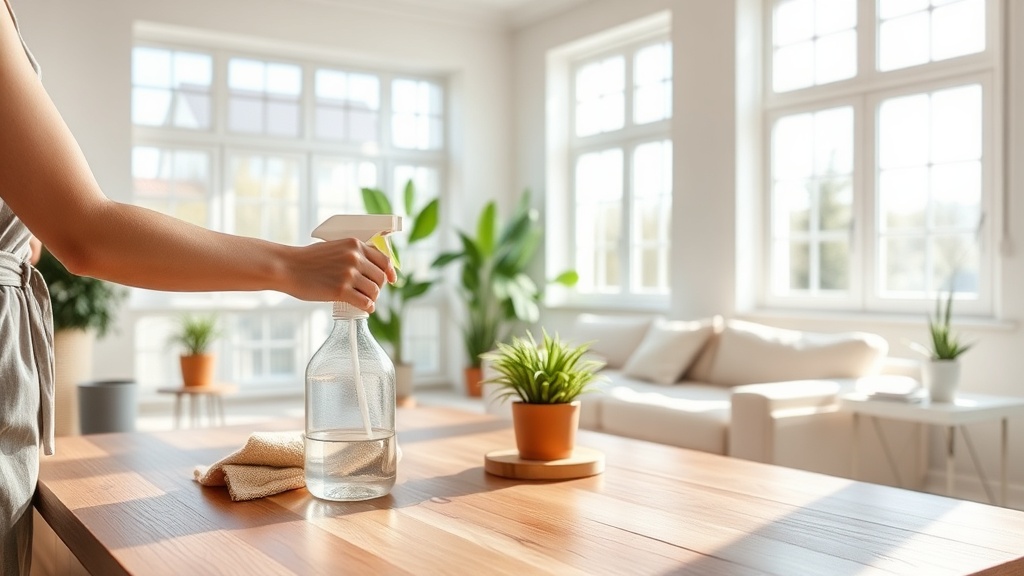
- All‑purpose vinegar spray: 1 cup white vinegar, 1 cup water, a few drops of citrus essential oil. Great for countertops and glass.
- Baking soda scrub: Sprinkle baking soda on tough stains, spray with water, scrub, and rinse. No abrasive pads needed.
- Olive‑oil wood polish: Mix 2 parts olive oil with 1 part lemon juice. Buff with a microfiber cloth for a shine that lasts.
These formulas are safe for kids and pets, and the only waste you generate is the empty spray bottle you can refill.
Which apps can help me track waste reduction?
Digital tools keep you accountable. Try these free options:
- Zero Waste Tracker – log each product you avoid and see your carbon‑saving stats.
- Tidy – set cleaning schedules and get reminders to use reusable tools.
- Eco‑Habit – integrates with your smart home to suggest low‑impact cleaning cycles.
I discussed the power of habit‑forming apps in my Sustainable Vacation guide, showing how data‑driven decisions improve outcomes.
How do I keep the momentum after the big weekend?
Spring cleaning shouldn’t be a one‑off sprint. Adopt a “mini‑declutter” routine:
- Pick one drawer or shelf each week and apply the one‑in, one‑out rule.
- Replace disposable items (e.g., paper towels) with reusable alternatives.
- Review your waste‑tracker app monthly and set incremental reduction goals.
For a broader lifestyle reset, see my 6 Pillars of an Age‑Defying Lifestyle, which includes a minimalism chapter that dovetails nicely with eco‑cleaning.
What’s the bottom‑line cost savings?
Investing in reusable tools typically pays for itself within a few months. A pack of microfiber cloths ($12) replaces hundreds of $0.10 paper towels, saving over $100 annually. DIY cleaners cut commercial product costs by up to 80%.
Takeaway: Your Eco‑Friendly Spring Cleaning Checklist
- Swap all disposable wipes for microfiber cloths.
- Replace plastic brushes with bamboo alternatives.
- Make three DIY cleaners and store them in refillable spray bottles.
- Download a waste‑tracking app and set a 10% reduction target for the season.
- Schedule a 15‑minute weekly mini‑declutter to keep habits alive.
By following these steps, you’ll not only keep your home sparkling but also help flatten that EPA‑reported 12% waste surge.
FAQ
- Can I use these DIY cleaners on hardwood floors? Yes—vinegar diluted 1:1 is safe for sealed hardwood. Test a hidden spot first.
- How often should I wash microfiber cloths? After each use; they dry quickly and retain cleaning power.
- Do reusable brushes break down? Bamboo degrades naturally after years of use, making them compostable.
Ready to make your spring cleaning count? Grab a bundle of microfiber cloths, mix up a batch of vinegar spray, and start tracking your waste today.