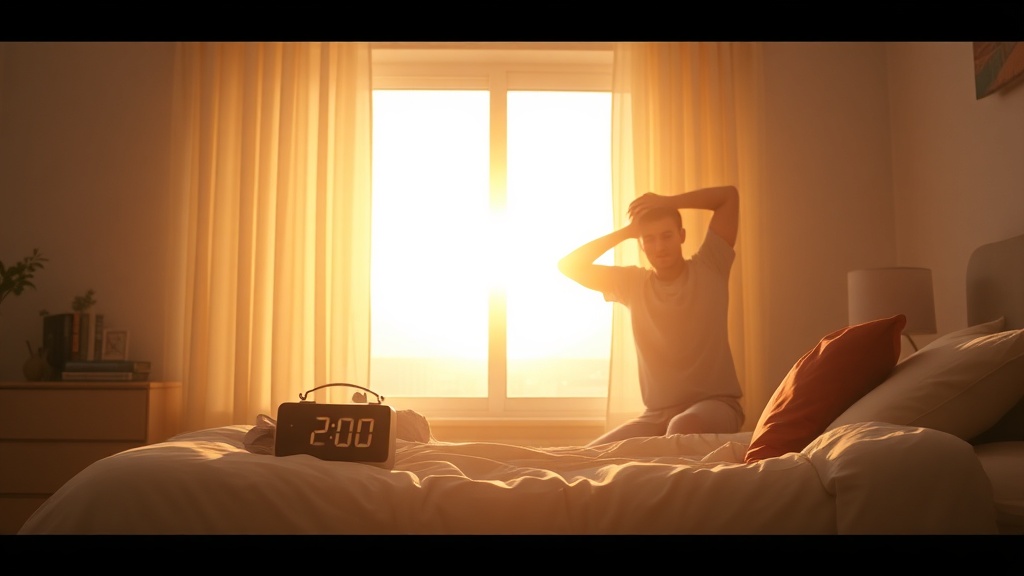
Daylight Saving Adjustment: Optimizing Your Sleep Routine for Spring Productivity

Did you lose an hour of sleep and feel groggy? Daylight Saving Time just rolled in, and many of us are scrambling to adjust our internal clocks. In the next few minutes, I’ll share data‑driven, actionable steps to shift your bedtime, control light exposure, and use short naps so you can stay sharp and energized this spring.
How does daylight saving affect my sleep?
When clocks jump forward, we lose an hour of nighttime, which can misalign our circadian rhythm. The body’s internal timer relies on consistent cues from light, meals, and activity. A sudden shift can delay melatonin release, leading to later sleep onset, fragmented rest, and reduced daytime alertness (Harvard Medical School, 2023).
What steps can I take to shift your bedtime smoothly?
Start adjusting your schedule before the change. Here’s a three‑day plan:
- Day -3 to -2: Go to bed 15 minutes earlier each night. Keep your wake‑up time consistent.
- Day -1: Move lights down an hour earlier. Dim ambient lighting after sunset.
- Day 0 (DST day): Wake at your usual time, even if you feel sleepy. Your body will catch up within 2‑3 days.
Consistency is key—avoid weekend “sleep‑in” binges that can reset progress.
How can I manage light exposure to reset my circadian rhythm?
Light is the strongest zeitgeber (time‑giver) for our internal clock. Use it strategically:
- Morning: Get at least 30 minutes of bright, natural light within an hour of waking. A balcony coffee or a brisk walk works wonders.
- Evening: Switch to warm, low‑blue‑light bulbs after sunset. Consider a blue‑light‑blocking glasses filter if you need screens.
- Night: Keep the bedroom completely dark. Blackout curtains or a sleep mask can prevent stray light from resetting melatonin.
Are short naps helpful during the transition?
Yes—if you keep them brief. A 20‑minute power nap in the early afternoon can combat the afternoon slump without jeopardizing nighttime sleep. Avoid naps after 3 PM, as they may push your bedtime later.
What tools or apps can help track my sleep?
Data‑driven tracking makes adjustments easier. Try any of these reputable options:
- Sleep Cycle – uses phone sensors to estimate sleep stages.
- Fitbit – wearable that records heart‑rate variability and sleep duration.
- Oura Ring – provides detailed circadian insights.
Log your bedtime, wake‑time, and how you feel. Small trends will surface, letting you tweak the plan.
Takeaway
Daylight Saving Time doesn’t have to derail your productivity. By pre‑adjusting your schedule, mastering light exposure, and using brief naps, you’ll reset your internal clock within a few days and keep your spring momentum high.
Related Reading
- Spring Bio‑Harmony: 7 Simple Steps to Align Your Health with the Season – a broader look at seasonal wellness.
- Spring Digital Detox: Declutter Apps, Photos & Subscriptions – clean up digital noise that can also affect sleep.
- Best Places to Go in March 2026: 7 Destinations Ranked – where to travel if you need a spring reset.
- 5 Destinations That Are Perfect Right Now: March 2026 Quick Picks – quick getaways for a refreshed mindset.