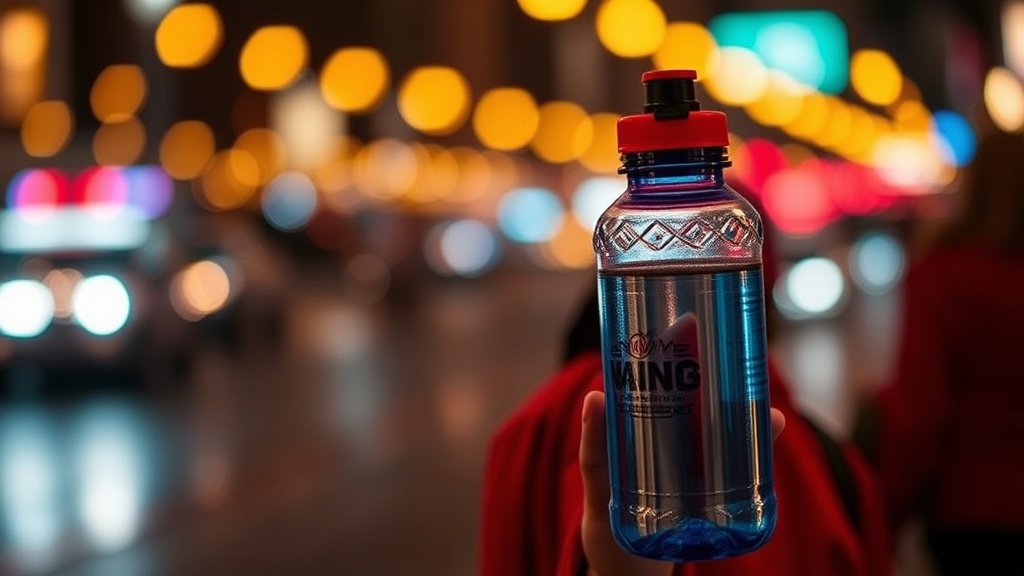
Carry a Reusable Water Bottle to Save Money and Plastic

Quick Tip
Always carry a reusable water bottle and check for local water refill stations to save money and reduce waste.
How much money are you actually losing to single-use plastic during your trips? This post examines the direct financial and environmental benefits of carrying a reusable water bottle while traveling. It's a simple switch that cuts down on daily expenses and reduces your plastic footprint in destinations where waste management might be lacking.
How Much Can You Save by Carrying a Reusable Bottle?
Carrying a reusable bottle can save travelers anywhere from $5 to $10 per day depending on the destination. In many European cities or high-tourism areas, bottled water prices are often marked up significantly compared to tap water. If you're traveling for two weeks, that's a significant chunk of your food budget—enough for a nice dinner or a guided tour.
The math is simple: stop paying for the container and start paying for the experience. High-quality bottles like a YETI Rambler or a Hydro Flask keep your water cold for hours, which is a massive plus in hot climates. It's an upfront cost that pays for itself within a few days of travel.
Where Can You Find Safe Drinking Water?
You can find safe drinking water at public fountains, hotel lobbies, and many cafes in developed regions. In many parts of Europe, public water fountains (often called nasoni in Rome) provide free, high-quality water. However, you should always check local guidelines before drinking tap water in certain regions.
To ensure your water is safe and your bottle stays clean, consider these options:
- Public Fountains: Common in cities like Paris or Rome; check Wikipedia for local fountain types.
- Filtered Pitchers: Many hotels offer filtered water stations.
- Water Purification Tablets: Useful for rugged backpacking trips where tap water isn't reliable.
- UV Purifiers: Devices like a LARQ bottle use UV-C LED technology to clean water on the go.
If you're heading to a destination where tap water isn't potable, don't just buy plastic. Look into CDC guidelines for water safety or invest in a high-quality filtration system to avoid the constant cycle of buying plastic bottles. It's a core part of traveling with environmental responsibility.
| Bottle Type | Best Use Case | Pros |
|---|---|---|
| Stainless Steel | Hot/Sunny Climates | Keeps liquids cold; durable. |
| Collapsible | Light Packing | Saves space in your day bag. |
| Filtered Bottle | Off-the-beaten-path | Makes questionable water safe. |
One thing to watch out for is the weight. A heavy metal bottle might feel great in a cafe—but it's a chore to carry during a long hike. Pick a bottle that matches your specific itinerary.