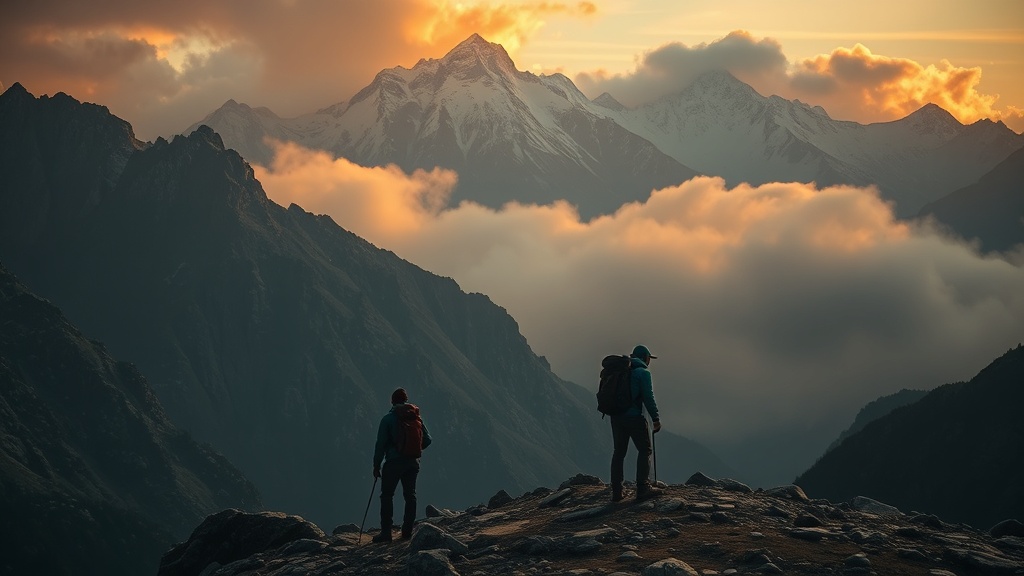
Calculating the Cost of a High-Altitude Trek in Nepal

The average cost of a trekking permit in the Annapurna region can fluctuate by as much as 30% depending on the specific circuit you choose and the season in which you arrive. Understanding these variables isn't just about budgeting; it's about ensuring your capital is allocated toward safety and quality rather than unnecessary overhead. This guide breaks down the hard numbers behind Himalayan trekking, moving past the vague-sounding 'budget' or 'luxury' labels to provide a data-driven look at what you'll actually spend on gear, permits, and logistics in Nepal.
How much does a trekking permit in Nepal cost?
Before you even step foot in Kathmandu, you have to account for the legal requirements of entering protected areas. In Nepal, you don't just pay one fee; you often pay a combination of a National Park fee and a specific region-based permit. For the Annapurna Circuit, you'll need the Annapurna Conservation Area Project (ACAP) permit. For the Everest region, the Sagarmatha National Park fee is the standard.
Expect to pay roughly $30 to $50 USD for these permits. However, if you are trekking in a restricted area—like Upper Mustang—the costs jump significantly. Restricted area permits can cost upwards of $500 per person for a ten-day period. This isn't a suggestion; it's a fixed cost determined by the Nepal Tourism Board. You can find the most current permit documentation and official fee structures through the Nepal Tourism Board official site. Always verify the current rates before booking, as government fees are subject to change without much notice.
When building your spreadsheet, include these three categories of fixed costs:
- National Park/Conservation Area Fees: $30-$50 per person.
- TIMS Card (Trekkers' Information Management Systems): Usually around $20.
- Restricted Area Permits: Variable, often $100-$500 depending on the zone.
What is the daily budget for a trekker in the Himalayas?
The daily cost of a trek is a moving target, heavily influenced by whether you are an independent trekker or part of a guided group. If you are a solo trekker relying on teahouses, your daily expenditure is largely determined by your caloric intake and the altitude you reach. As you climb higher, the price of basic goods—like a bowl of dal bhat or a liter of water—increases because the logistics of transporting goods to higher altitudes are more expensive.
| Expense Item | Low-End (Solo/Teahouse) | High-End (Guided/Luxury) |
|---|---|---|
| Daily Food & Lodging | $30 - $45 | $70 - $100+ |
| Water/Hydration (Bottled/Purified) | $3 - $6 per liter | $5 - $8 per liter |
| Daily Porter/Guide Fee | $25 - $40 | $50 - $80 |
A common mistake is underestimating the cost of electricity and hot water. In many teahouses, charging your camera batteries or using a hot shower will incur a fee of $2 to $5 per instance. These small, incremental costs can easily add $10 to your daily total. If you're using a portable power bank or solar charger, you'll mitigate these costs, but you'll have the upfront cost of the gear itself.
Regarding nutrition, don't ignore the energy requirements of high-altitude movement. You aren't just paying for food; you're paying for the fuel required to prevent altitude sickness and fatigue. According to data from the World Health Organization regarding nutrition in high-altitude environments, caloric density becomes vital as oxygen levels drop. This often means opting for more expensive, calorie-dense meals rather than just the cheapest option available.
Does hiring a guide and porter increase the total cost significantly?
Yes, it does, but the "cost" isn't just the line item on your receipt. Hiring a guide and porter changes the entire economic structure of your trip. A guide in Nepal typically earns a daily wage plus tips, and a porter is an essential piece of the logistical puzzle. While a solo trekker might save $40 a day by not hiring a guide, they are assuming the cost of their own navigation, safety, and emergency response.
When you hire a guide, you are essentially paying for a localized expert who understands the terrain and the subtle signs of altitude sickness. If you're trekking solo, you'll need to invest more in high-end gear (GPS, satellite communication, specialized clothing) to ensure you aren't caught off guard. The "savings" of solo trekking are often eaten up by the increased risk and the need for more advanced personal equipment.
A porter, on the other hand, is a specific logistical asset. They carry the weight that your body isn't meant to carry for weeks on end. If you choose not to hire one, you'll need to carry a heavier pack, which might necessitate a more expensive, ergonomic backpack and higher-quality trekking poles. The decision to hire or not to hire should be based on your physical capacity and your specific gear budget, rather than just the daily wage of a local worker.
One more factor to consider is the "buffer fund." I always recommend a 20% contingency margin on your total estimated budget. This isn't for "extra fun"—it's for the inevitable helicopter evacuation, a missed connection, or a sudden need for medical supplies. In the Himalayas, the most expensive mistake you can make is arriving with a budget that is exactly equal to your estimated expenses. There is no room for error when the terrain is this unfor-giving.
To accurately calculate your total, start with your base destination cost (flights to Kathmandu), add your fixed permit costs, multiply your daily teahouse estimate by the number of days, and finally, add a 20% contingency. This methodology provides a realistic baseline that accounts for the volatility of mountain logistics.