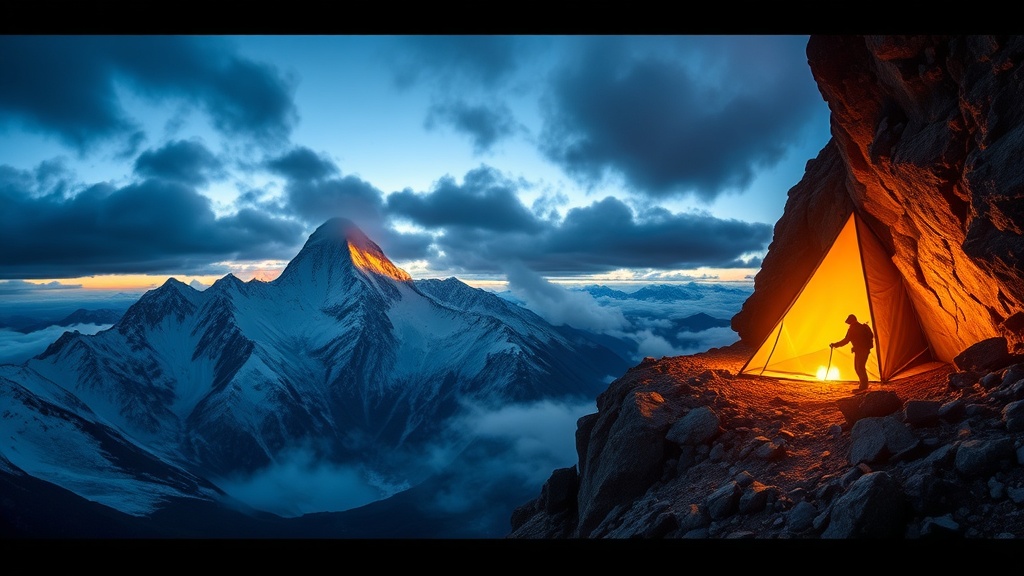
Beyond the Summit: Finding Solitude in the High Andes of Peru

The common assumption among high-altitude trekkers is that the most profound experiences in the Peruvian Andes occur at the most famous landmarks. Travelers flock to the Inca Trail or the Salkantay Trek, operating under the misconception that popularity correlates with spiritual or physical reward. However, the data of human movement suggests the opposite: the highest density of foot traffic often results in the lowest level of psychological restoration. To find true solitude in the Andes, one must move beyond the well-trong paths of Cusco and look toward the Cordillera Vilcabamba and the remote valleys of the Ausangate circuit.
True solitude in high-altitude environments requires more than just a lack of people; it requires a specific set of logistical preparations and a departure from the standard "bucket list" itinerary. While the Machu Picchu citadel offers unmatched historical significance, the sheer volume of regulated daily visitors creates a structured, predictable environment. For those seeking the visceral isolation of the high Andes, the objective is to find "buffer zones"—areas where the topography itself acts as a barrier to mass tourism.
The Topography of Isolation: Choosing Your Range
When planning a high-altitude excursion, the first decision is choosing between the established circuits and the outlier ranges. Most travelers settle for the Sacred Valley, but the real isolation is found in the southern regions near the Ausangate massif. This area, while still frequented by local herders, offers a degree of remoteness that the more commercialized routes around Ollantaytambo cannot match.
The Ausangate Circuit: A High-Altitude Alternative
The Ausangate trek is often overlooked in favor of the more "Instagrammable" Rainbow Mountain (Vinicunca). While Vinicunca is visually stunning, it is a logistical bottleneck. Instead, focus on the glacial lakes surrounding Mount Ausangate. The altitude here frequently exceeds 5,000 meters (16,404 feet), which acts as a natural deterrent for the casual tourist. To navigate this successfully, you must prioritize high-quality technical gear. A four-season tent, such as the MSR Access 2, is non-negotiable due to the unpredictable katabatic winds that can descend from the glaciers without warning.
The Cordillera Vilcabamba: The Deep Wilderness
For those seeking a more rigorous challenge, the Cordillera Vilcabamba offers a trek through dense cloud forests and high mountain passes that lead to the ruins of Choquequirao. Unlike the Inca Trail, which is strictly regulated by the Peruvian government to limit daily entries, the routes leading toward Choquequirao are more fluid. This allows for a much higher degree of autonomy. However, this autonomy requires a high level of self-sufficiency. You cannot rely on the established "camp hubs" found on the Salkantay trek; you must carry your own fuel, specialized nutrition, and advanced first-aid supplies.
Logistical Rigor: Gear and Physiological Preparation
Solitude in the Andes is a privilege earned through preparation. If you are under-equipped, the environment becomes a liability rather than a sanctuary. The following technical requirements are essential for any high-altitude trek in the Peruvian highlands.
- Hydration and Electrolyte Management: At altitudes above 4,000 meters, the air is exceptionally dry. It is not enough to simply drink water; you must manage electrolyte concentrations to prevent hyponatremia. Carry a Katadyn BeFree water filter to treat glacial meltwater and supplement with electrolyte tablets like Nuun to maintain cellular hydration.
- Thermal Regulation: The temperature swing in the Andes can be as much as 25°C (45°F) within a single six-hour window. A layering system is critical. Use a base layer of Merino wool (such as Smartwool) to manage moisture, a mid-layer of high-loft down (like the Patagonia Down Sweater), and a hardshell outer layer to block wind.
- UV Protection: The atmosphere at these altitudes provides significantly less protection from solar radiation. Standard SPF 30 is insufficient. Use a mineral-based SPF 50+ and wear polarized eyewear with a high Category 3 or 4 lens rating to prevent snow blindness.
Navigating the Altitude: A Data-Driven Approach to Acclimatization
The biggest mistake travelers make is attempting to "push through" altitude sickness. High-altitude pulmonary edema (HAPE) and cerebral edema (HACE) are real physiological threats that do not care about your willpower. To mitigate these risks, follow a strict ascent protocol. Instead of flying directly from sea level to Cusco (3,399m) and immediately trekking, spend at least three days in the Sacred Valley at lower elevations like the Urubamba Valley (approx. 2,800m) before ascending to higher passes.
Monitor your oxygen saturation levels using a portable pulse oximeter. If your SpO2 levels drop below 80% while at rest, or if you experience a persistent headache that does not respond to hydration, the only data-driven solution is descent. Do not rely on "local remedies" like coca tea alone; while coca leaves can provide a mild stimulant effect, they are not a substitute for descending to a lower altitude.
The Ethics of Remote Travel
When you move away from the primary tourist corridors, your impact on the local ecosystem and culture becomes more direct. In the remote areas of the Andes, there are no massive tour operators to manage waste or trail erosion. You are the primary steward of the environment you are traversing.
Adhere to the Leave No Trace principles with extreme rigor. This means carrying out every piece of micro-trash, including organic waste like fruit peels, which can disrupt the local fauna and soil chemistry. Furthermore, when interacting with local Quechua-speaking communities, maintain a respectful distance. These are not "cultural exhibits" but active agricultural communities. If you intend to purchase goods or services, do so through direct, fair-trade transactions to ensure your presence supports the local economy rather than a centralized agency.
For those who find themselves seeking mental clarity through travel, the physical and mental discipline required for high-altitude trekking can be incredibly rewarding. While this may not be a direct replacement for structured wellness routines, the focus required for navigation and safety can provide a unique form of mental reset. For more on maintaining cognitive health during high-stress transitions, see our guide on preventive brain health habits.
Summary Checklist for High-Andes Exploration
- Identify your target: Choose between the Ausangate Circuit (scenic/glacial) or the Vilcabamba/Choquequirao route (remote/historical).
- Secure technical gear: Ensure you have a 4-season tent, high-loft down, and a reliable water filtration system.
- Plan the ascent: Build a 3-day acclimatization window in the Urubamba Valley before attempting any pass above 4,500m.
- Pack a pulse oximeter: Use data, not intuition, to monitor your physiological response to altitude.
- Commit to stewardship: Practice strict Leave No Trace protocols to protect the fragile high-altitude ecosystem.
The Andes do not offer their secrets to the casual observer. To find the solitude you seek, you must respect the math of the mountain: the altitude, the weather, and the distance from the center. Only when you have prepared for the rigor of the environment can you truly experience the silence of the peaks.