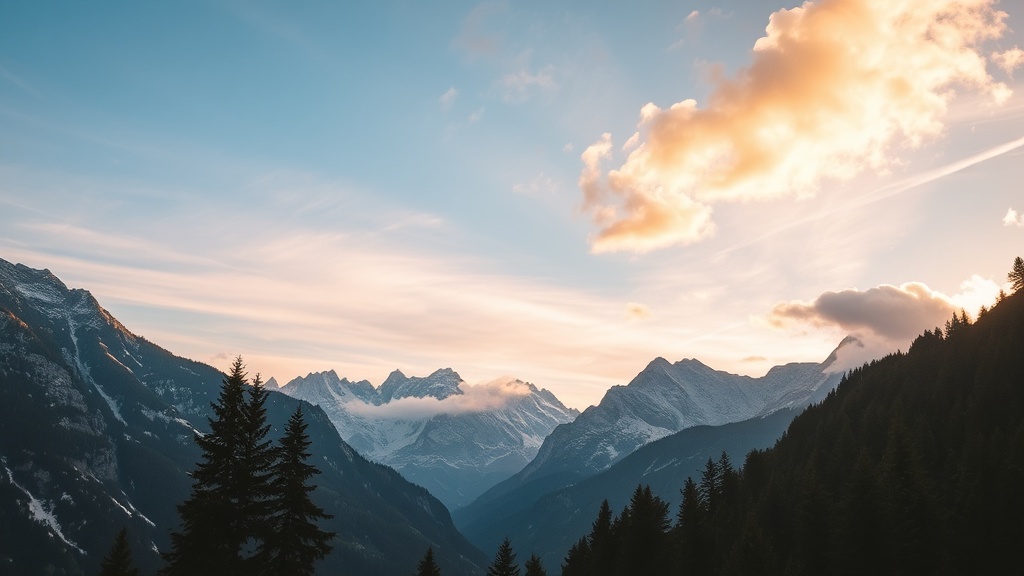
Analyzing the Seasonal Logistics of Visiting the Dolomites

Imagine standing at the base of Tre Cime di Lavaredo. One week, the path is a dry, dusty trail perfect for high-speed trekking. The next, a sudden early October snowstorm has turned the limestone base into a slippery, dangerous chute. This isn't an outlier; it is the reality of high-altitude logistics in the Italian Alps. Choosing a date for a Dolomites trip isn't just about picking a month on a calendar; it's about matching your specific activity—be it hiking, climbing, or skiing—with the narrow windows of operational reliability.
The Dolomites present a unique challenge because they function as two distinct destinations: a summer playground for hikers and a winter hub for skiers. The transition periods, often called the shoulder seasons, are where most travelers run into trouble. If you arrive in late May, you might find that many rifugios (mountain huts) are still closed and the high-altitude trails are still buried under melting snow, making certain loops impassable. If you arrive in late September, the beauty remains, but the daylight hours and temperature drops can drastically change your daily itinerary.
What is the weather pattern for hiking and skiing?
To understand the Dolomites, you have to look at the verticality. Weather at 2,000 meters is fundamentally different from the weather in Cortina d'Ampezzo or Val Gardena. Based on historical weather data, the summer months (July and August) provide the highest probability of clear skies, but they also bring the highest risk of intense afternoon thunderstorms. These storms can move through a valley in minutes, turning a sunny morning into a torrential downpour.
When planning, consider these three distinct phases:
- The High Summer (July - August): This is the most predictable time for heat and stable weather, but it is also when the infrastructure is at its most strained. Expect crowds at popular spots like Lago di Braies.
- The Early Autumn (September - October): The air is crisper and the light is better for photography, but the window for high-altitude hiking narrows quickly as temperatures drop.
- The Winter Season (December - March): The focus shifts entirely to snow-based activities. While the scenery is striking, many of the hiking-specific roads and trails become completely inaccessible without specialized equipment.
For precise meteorological tracking, I always recommend checking the Arpa Veneto website, which provides localized weather data for the Veneto region, including the mountain sectors. Relying on a generic national forecast is a mistake that often leads to being caught in a storm without proper gear.
How do crowds impact accessibility and costs?
The Dolomites are not a low-density destination. While they feel more rugged than the Lake Como region, the infrastructure—especially the lift systems—is highly centralized. The density of tourists follows a predictable pattern tied to the lift operations. When the lifts are running, the mountain access is high; when they shut for maintenance, your ability to reach certain vistas drops to zero.
Data shows a significant spike in both accommodation costs and rental vehicle demand during the peak months of August and the Christmas/New Year period. If your goal is to avoid the highest price points, look toward the "middle" months like June or September. However, you must weigh the cost savings against the risk of closed mountain huts. Many of the most iconic mountain huts, or rifugi, do not open until mid-June and close by late September. If you want to spend a night in a high-altitude hut, your window is actually quite small.
| Season | Primary Activity | Crowd Level | Risk Factor |
|---|---|---|---|
| Spring (Apr-May) | Skiing/Early Trekking | Low | Mud and melting snow |
| Summer (Jun-Aug) | Hiking/Climbing | Very High | Afternoon thunderstorms |
| Autumn (Sep-Oct) | Hiking/Photography | Moderate | Rapid temperature drops |
| Winter (Nov-Mar) | Skiing/Snowshoeing | High | Ice and limited visibility |
If you are driving, be aware that the narrow mountain passes can become bottlenecks during peak season. A rental car is often necessary for true freedom, but a large SUV might be a liability on the tightest turns of the Passo Gardena. I suggest checking the Cortina d'Ampezzo official site for real-time updates on road closures or seasonal restrictions.
Can I visit the Dolomites without a car?
The short answer is: yes, but it requires much more rigid planning. The Dolomites have a surprisingly efficient network of buses and even some train connections, but they are designed around the main valleys rather than the high-altitude passes. If you want to reach the most remote trailheads, you'll find that public transit often falls short.
For example, reaching the base of the Tre Cime di Lavaredo via public transport is possible, but the frequency of the buses is limited, and they can fill up quickly. If you miss the last bus or the scheduled shuttle, you are effectively stranded. For travelers who want to move between different valleys—say, moving from Val di Funes to the Val Gardena—a car is almost a requirement for a non-linear itinerary. Relying on the bus means you are bound to a strict schedule, which can be a problem if a hike takes longer than expected due to weather or fatigue.
If you do choose the public transit route, I suggest booking your accommodations near the main hubs like Bolzano or Cortina. This minimizes the distance you have to travel via bus and ensures you are never too far from a transit station. It’s a trade-off: you save on the cost of a rental car and the stress of driving narrow roads, but you lose the ability to chase the perfect light or the quietest trail.
Ultimately, the Dolomites are a place that rewards the prepared. Whether you are looking at the thermal patterns of the summer or the snow depth of the winter, the data suggests that there is no "perfect" time—only the time that best fits your tolerance for certain risks. If you want the best hiking-to-crowd ratio, aim for the first two weeks of September. If you want the most reliable weather for high-altitude access, July is your best bet, provided you can handle the crowds and the afternoon rain.