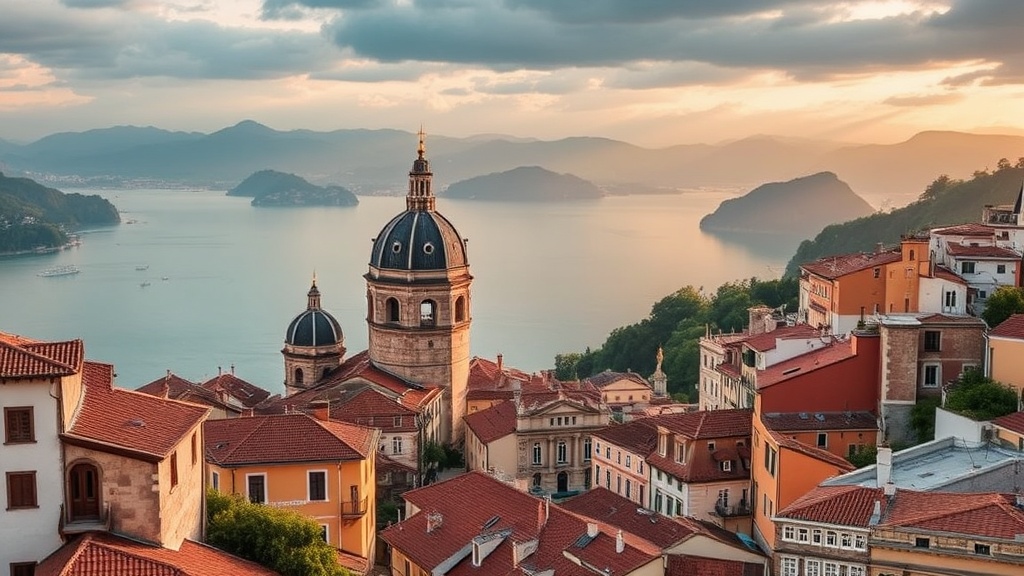
7 Hidden Gem Destinations in Europe You Need to Visit in 2025

The Fairy-Tale Village of Hallstatt, Austria
The Medieval Walled Town of Rothenburg ob der Tauber, Germany
The Stunning Plitvice Lakes National Park, Croatia
The Colorful Coastal Town of Burano, Italy
The Enchanting Azores Islands, Portugal
Europe's well-trodden capitals draw millions each year — Rome, Paris, London. But the real magic? It hides in overlooked corners. This guide spotlights seven destinations where authentic culture, lower prices, and thinner crowds converge. These aren't second-tier alternatives — they're first-rate experiences that most travelers simply haven't discovered yet.
Why Skip the Capitals in 2025?
The data tells a story. Overtourism has reached critical mass in Venice (population 50,000 — hosting 20 million visitors annually), Barcelona, and Amsterdam. Entry fees, reservation systems, and tourist caps are spreading fast.
The alternative isn't sacrifice — it's reward. Secondary cities and regions offer deeper cultural immersion, better value, and interactions that feel genuine rather than transactional. In 2025, smart travelers are pivoting.
Here's the thing: these seven destinations combine UNESCO heritage, emerging food scenes, accessible transport links, and accommodation at half the cost of major hubs. Worth noting — several are experiencing infrastructure investments that'll make them more accessible (and inevitably, more crowded) in coming years. The window for visiting before the masses arrive is narrowing.
What Are the Best Hidden Gem Destinations in Europe Right Now?
These seven locations balance accessibility with obscurity — places where you'll encounter locals at cafes, not just fellow tourists with cameras.
1. Matera, Italy — The Ancient Cave City
Carved into limestone cliffs in Italy's Basilicata region, Matera's Sassi districts form one of humanity's oldest continuously inhabited settlements. Cave dwellings, churches, and even luxury hotels burrow into the rock face.
The city earned European Capital of Culture status in 2019 — but remains surprisingly quiet compared to Italian heavy-hitters. Wander the maze-like streets at dawn (the golden stone glows impossibly) before day-trippers arrive. Stay in Locanda di San Martino — a cave hotel with modern amenities where rooms start around €120.
The catch? Getting there requires effort. Bari (the nearest major city) is 90 minutes by regional train. That friction filters out the casual tourist — exactly the point.
Don't miss: Bread baked in communal wood ovens at Forno Santa Chiara (€2), and the haunting 13th-century cave churches with Byzantine frescoes.
2. Ghent, Belgium — The Anti-Brussels
Bruges gets the Instagram attention. Brussels gets the business travelers. Ghent? It gets everything right.
A medieval port city with a castle, three towering churches, and canal networks — minus Bruges' tourist mobs. The student population (35,000 at Ghent University) keeps nightlife energetic, restaurants affordable, and the atmosphere authentic.
The Gravensteen Castle (€13 entry) offers genuine medieval architecture without Disney-fication. The MSK (Museum of Fine Arts) holds Van Eyck and Rubens works with barely any queues. Dinner at Belga Queen — a converted granary serving Flemish classics — runs half what you'd pay in Brussels.
That said, Ghent's true magic reveals itself after dark. The historic center illuminates spectacularly, and locals — not tourists — dominate the bars along Korenmarkt.
3. Bergen, Norway — Gateway to the Fjords (Without the Cruise Crowds)
Most visitors treat Bergen as a fjord-cruise embarkation point. Stay three days instead — this UNESCO-listed Hanseatic trading city deserves standalone attention.
The Bryggen wharf — colorful wooden warehouses leaning against each other — survived fires, Nazi occupation, and 800 years of North Sea weather. Behind the postcard facade lies a warren of artisan workshops: leatherworkers, ceramists, and Pingvinen — a pub serving reindeer meatballs and the city's best beer selection.
The Fløibanen funicular (125 NOK) lifts you to Mount Fløyen in six minutes. Hike the network of trails — you'll rarely encounter others after the first 500 meters. The views across seven mountains meeting the North Sea justify the trip alone.
Here's the thing: Norway's high prices scare budget travelers away. But Bergen's new generation of micro-hotels — Citybox Bergen (from €85) — undercuts Reykjavik and Copenhagen significantly.
4. Porto, Portugal — Lisbon's Underestimated Rival
Porto isn't exactly unknown. But compared to Lisbon's tourist-saturated streets, Portugal's second city feels refreshingly grounded.
The Ribeira district cascades down steep hillsides to the Douro River — a vertical maze where laundry hangs across narrow alleys and azulejo-tiled facades compete for attention. It's visually stunning without feeling manufactured.
Port wine — produced in valley lodges reachable by vintage train — originated here. Visit Graham's Lodge for tastings (€18 including cellar tour) rather than the tourist-heavy Sandeman. The Livraria Lello bookstore draws Harry Potter pilgrims, but Bertrand — the world's oldest operating bookstore (since 1732) — offers literary history without the €5 entry fee.
Food costs run 30-40% below Lisbon. Tasco restaurants serve francesinha — Porto's gut-busting sandwich layered with steak, sausage, and beer-cheese sauce — for under €10.
5. Ljubljana, Slovenia — The Green Capital Nobody Knows
Slovenia's capital banned cars from its entire historic center in 2008. The result? A pedestrian paradise where riverside cafes, outdoor markets, and architectural gems unfold at walking pace.
The Triple Bridge (designed by architect Jože Plečnik), the hilltop Ljubljana Castle, and the Central Market — designed by the same architect — create a cohesive aesthetic unlike anywhere else. It's Baroque, Art Nouveau, and Slovenian folk tradition merged into one manageable package.
Day-trip potential is exceptional. Lake Bled (45 minutes by bus) needs no introduction. Škocjan Caves — a UNESCO-listed underground canyon — rivals Postojna but sees fewer tour buses. The Vipava Valley wine region (30 minutes west) produces exceptional Pinot Noir and Rebula with virtually no international recognition.
Accommodation is shockingly affordable. Boutique hotels in converted townhouses — Antiq Hotel or Hotel Cubo — run €90-130 nightly. That's Prague pricing with better food and infinitely less stag-party chaos.
6. Riga, Latvia — Art Nouveau Capital of the World
Over one-third of Riga's city center consists of Art Nouveau buildings — the highest concentration anywhere on earth. The Alberta iela street functions as an open-air architecture museum, facades crawling with sculpted faces, peacocks, and mythological figures.
That said, Riga offers more than pretty buildings. The Central Market — housed in five repurposed Zeppelin hangars — delivers Baltic culinary immersion. Sample smoked sprats, rye bread, and jāņu siers (caraway-seed cheese) from vendors who've occupied the same stalls for decades.
The city's compactness works in your favor. Walk from medieval Old Town through Art Nouveau districts to the wooden architecture of Ķīpsala island in under an hour. The Latvian National Opera offers world-class ballet and opera — tickets start at €15.
Here's the thing: Riga's still recovering from its stag-party reputation of the 2000s. Those crowds have migrated to cheaper destinations. What's left? A sophisticated Baltic capital with Michelin-recommended restaurants (3 Pavāru), craft cocktail bars, and hotel rates 60% below Copenhagen.
7. Valletta, Malta — The Fortress City
Built by the Knights of St. John after the Great Siege of 1565, Valletta packs 320 monuments into half a square kilometer. It's the European Union's smallest capital — and arguably its most concentrated dose of history.
Baroque cathedrals (St. John's Co-Cathedral contains two Caravaggio paintings), fortifications designed to repel Ottoman invasions, and British colonial remnants create a layered cultural palimpsest. The entire city is a UNESCO World Heritage site.
But Valletta's appeal extends beyond monuments. The Is-Suq tal-Belt food market — restored and reopened in 2018 — showcases Maltese cuisine: pastizzi (ricotta-filled pastries), ftira (Maltese pizza), and fresh seafood from Marsaxlokk harbor. Caffe Cordina — operating since 1837 — serves coffee beneath ornate ceilings where Maltese nobility once gathered.
The catch? Valletta's small. Three days covers it thoroughly. But Malta's size (smaller than Rhode Island) means beaches, ancient temples (older than Stonehenge), and the walled city of Mdina are all 30-minute drives away. Stay in Valletta proper — boutique hotels like The Saint John — rather than Sliema's high-rise resorts.
How Do These Destinations Compare on Cost and Accessibility?
Practical considerations matter. Here's how these seven stack up across key metrics:
| Destination | Daily Budget (Mid-Range) | Nearest Major Airport | Best Season | Crowd Level |
|---|---|---|---|---|
| Matera, Italy | €140-180 | Bari (90 min) | May-June, Sept-Oct | Low |
| Ghent, Belgium | €120-160 | Brussels (35 min) | April-October | Moderate |
| Bergen, Norway | €200-280 | Bergen (direct) | June-August | Low-Moderate |
| Porto, Portugal | €100-140 | Porto (direct) | March-June, Sept-Nov | Moderate |
| Ljubljana, Slovenia | €90-130 | Ljubljana (direct) | May-September | Low |
| Riga, Latvia | €80-120 | Riga (direct) | May-September | Low |
| Valletta, Malta | €130-170 | Malta (direct) | March-June, Sept-Oct | Moderate |
Worth noting: "Mid-range" includes private accommodation, restaurant meals (not street food), and paid attractions — not shoestring backpacking, but not luxury either. Bergen's high costs reflect Norway's general pricing; Riga and Ljubljana offer exceptional value.
When Should You Book to Get the Best Deals?
Timing matters — both for prices and experience quality.
For Mediterranean destinations (Matera, Porto, Valletta), shoulder seasons (April-May and September-October) deliver ideal weather with thinner crowds. July and August bring suffocating heat and inflated prices. Book accommodations 2-3 months ahead for these windows.
Northern options (Ghent, Bergen, Riga) peak June through August when daylight stretches late and outdoor dining becomes viable. Bergen specifically rewards July visits — the rain probability drops (relatively speaking) and the Bergen International Festival brings world-class performances.
Ljubljana? It's underrated year-round. December's Christmas markets transform the car-free center into something magical — and most travelers never consider Slovenia for winter trips.
Transport booking strategy: Eurail passes make sense for multi-country itineraries hitting several of these destinations. For point-to-point travel, Omio compares trains, buses, and flights across European carriers. Budget airlines (Ryanair, Wizz Air, easyJet) serve all seven destinations — but factor in baggage fees and airport transfers when comparing to rail.
What Should You Pack for These Diverse Destinations?
One packing list won't cover Bergen's fjord weather and Malta's Mediterranean heat. But core principles apply:
- Layering system — All seven destinations experience variable conditions, even in summer. A lightweight down jacket and packable rain shell cover most scenarios.
- Comfortable walking shoes — Cobblestones dominate in Ghent, Porto, and Valletta. Leave the heels; bring supportive soles with grip.
- Universal adapter + power bank — Europe uses Type C and F plugs (Malta adds Type G). Cafes with available outlets aren't guaranteed.
- Reusable water bottle — Tap water is safe everywhere listed. Bergen's municipal water tastes better than bottled.
For specific climates: Bergen demands waterproof everything (the city receives 240 rainy days annually). Malta requires serious sun protection — the limestone reflects UV intensely.
Final thought — not a conclusion, just a prompt: Pick one. These destinations won't stay hidden forever. Matera's already appearing in more "off the beaten path" roundups. Ljubljana's car-free model is being studied by cities worldwide. The window for experiencing them as they exist now — authentically, accessibly, affordably — is measured in years, not decades.
The research is done. The case is made. The only question remaining is which passport stamp you'll collect first.