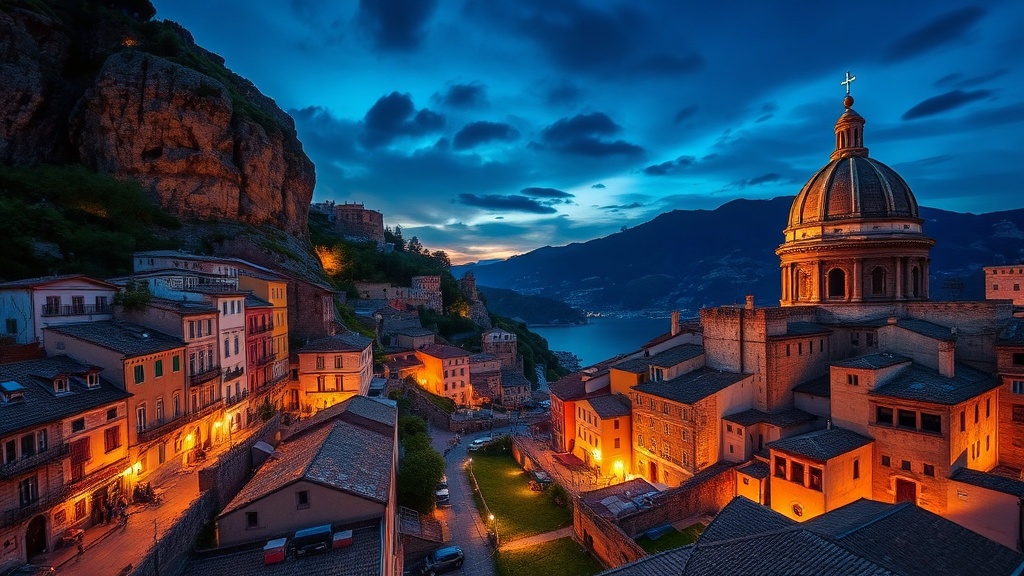
10 Hidden Gems in Europe You Need to Visit in 2025

Albarracín, Spain - The Pink Medieval Town
Lofoten Islands, Norway - Arctic Paradise
Cinque Terre's Quiet Cousin: Camogli, Italy
Český Krumlov, Czech Republic - Fairytale Escape
Kotor Bay, Montenegro - The Fjord of Europe
Europe's well-trodden paths lead to Rome, Paris, and Barcelona. But the continent's real magic hides in places where tourists rarely venture — medieval towns perched on cliffs, islands untouched by cruise ships, and villages where time slows down. This listicle cuts through the usual travel noise to deliver ten destinations that combine accessibility, authentic culture, and genuine "pinch me" moments. Each entry includes practical details: how to get there, where to stay, and what makes it worth the trip.
What Are Europe's Most Underrated Destinations for 2025?
Europe's underrated gems span from Portugal's Atlantic coast to the Baltic states, offering experiences that rival famous destinations at a fraction of the cost and crowd density. The ten destinations below were selected based on accessibility, emerging infrastructure, and cultural significance — places where your travel dollar stretches further and the memories hit harder.
1. Kotor, Montenegro
This fortified medieval town sits at the end of a fjord-like bay that rivals Norway's scenery at Mediterranean prices. The Old Town — a UNESCO World Heritage site — features winding marble streets, Romanesque churches, and a Venetian atmosphere without the Venice crowds.
Here's the thing: Kotor's cruise ship problem is real, but manageable. Ships typically dump passengers between 10 AM and 4 PM. Stay overnight (the Hotel Cattaro sits inside the city walls) and the town transforms. Climb the city walls at sunrise — 1,350 steps to San Giovanni Fortress — and the Bay of Kotor belongs to you alone.
Worth noting: Montenegro uses the euro (despite not being in the EU), which simplifies budgeting. A three-course dinner with local Vranac wine runs about €25 per person.
2. Gdańsk, Poland
Amber merchants built this Baltic port city. Today, Gdańsk offers reconstructed Hanseatic architecture, WWII history, and a waterfront that competes with Scandinavia's capitals — at Polish prices. The colorful façades along Długa Street photograph like Amsterdam without the bicycle traffic.
The catch? Gdańsk's weather is unpredictable. Pack layers even in summer. That said, cloudy skies only amplify the melancholy beauty of the Solidarity shipyard — birthplace of the movement that toppled communism in Eastern Europe.
Stay at the Hilton Gdańsk for waterfront views, or save 60% at boutique options like PURO Gdańsk. The city connects directly by train to Warsaw (2.5 hours) and Berlin (6 hours).
3. Mostar, Bosnia and Herzegovina
Mostar's Stari Most (Old Bridge) — a 16th-century Ottoman masterpiece — draws day-trippers from Dubrovnik and Split. They miss the point entirely. The real Mostar reveals itself after the tour buses depart: call to prayer echoing over the Neretva River, locals diving 24 meters from the bridge (a tradition dating back centuries), and coffee culture that puts Italian espresso bars to shame.
Base at Hotel-Restaurant Kriva Ćuprija — the original 18th-century building survived the 1990s war. Budget travelers find clean rooms at Hostel Miran for under €15.
Where Can You Find Authentic European Culture Without Tourist Crowds?
Authentic culture thrives in smaller cities and rural regions where tourism isn't the primary economy. These three destinations offer immersion without the performance that comes with overtourism.
4. Ljubljana, Slovenia
Slovenia's capital banned cars from its city center in 2008. The result? Europe's most pleasant capital for pedestrians. Ljubljana (pronounced "loob-lee-AH-nah" — don't butcher it) centers around a castle-topped hill and the Ljubljanica River, lined with outdoor cafés and Art Nouveau architecture.
The city's size works in your favor. Walk everywhere. Rent a bike through the BicikeLJ system (free for the first hour). Day trip to Lake Bled (55 minutes by bus) or the Postojna Caves.
Stay at InterContinental Ljubljana for modern luxury, or the Hotel CUBO for boutique charm near Prešeren Square. Dinner at Gostilna na Grmadi — traditional Slovenian fare with castle views — costs under €20.
5. Bergen, Norway (The Right Way)
Yes, Bergen makes every Norway itinerary. But most visitors check the Bryggen wharf, ride the Fløibanen funicular, and leave. That's a mistake.
Use Bergen as a base for the fjords — specifically, the Norway in a Nutshell route to Flåm (train, boat, and bus combination). Better yet: take the express boat from Bergen to the Sognefjord — the world's longest ice-free fjord. Book through Norway's Best.
Bergen's weather is famously wet (235 rainy days annually). Embrace it. The rain keeps crowds thin and gives the mountains that moody, Nordic noir atmosphere. Pack a Patagonia Torrentshell 3L or equivalent.
6. Matera, Italy
Southern Italy's ancient cave city — inhabited for over 9,000 years — transformed from poverty symbol to European Capital of Culture 2019. The sassi (cave dwellings) now house boutique hotels, restaurants, and bars carved directly into limestone cliffs.
Matera isn't easy to reach — which explains the lack of tour groups. Fly to Bari (Ryanair, Wizz Air), then rent a car or take the Ferrovie Appulo Lucane train. The path filters out casual travelers.
Sleep in a cave at L'Hotel in Pietra or Sextantio Le Grotte della Civita. Not cheap — €200-400 nightly — but where else can you bed down in a 9th-century cave with WiFi?
Which Lesser-Known European Destinations Offer the Best Value?
Eastern Europe and the Balkans deliver Western European experiences at 40-60% discounts. These three destinations maximize your travel budget without compromising quality.
7. Porto, Portugal
Lisbon's prices climbed 40% since 2019. Porto offers the same azulejo tiles, port wine cellars, and Atlantic light — without the stag parties and Airbnb shortages. The Douro River slices through the city, lined with Ribeira district houses in mustard yellow and terracotta.
Porto's food scene punches above its weight. The francesinha — a heart-stopping sandwich of ham, sausage, steak, and cheese, smothered in tomato-beer sauce — originated here. Try the original at Café Santiago.
Stay in the Foz district for beaches and modern dining, or Ribeira for traditional atmosphere. The Tivoli Porto offers four-star service near Boavista for under €100 nightly. Budget option: PortoBay Hotel Liberdade runs frequent promotions.
8. Tbilisi, Georgia
Europe's eastern frontier delivers the continent's most dramatic value proposition. Tbilisi's old town features wooden balconies, sulfur baths (Abanotubani district), and Soviet brutalist architecture in surreal juxtaposition. The food — khachapuri cheese bread, khinkali dumplings, natural wine — rivals anywhere in Europe at 30% of Paris prices.
Georgia allows visa-free entry for most Western passports (one year for US citizens). The currency (lari) trades favorably — expect €15-25 for excellent restaurant dinners. Accommodations range from €20 hostels to €80 boutique hotels like Rooms Hotel Tbilisi.
The catch? Limited direct flights from Western Europe. Wizz Air and Ryanair serve Tbilisi from Berlin, Rome, and London (Luton). Most travelers connect through Istanbul, Dubai, or Warsaw.
9. Ghent, Belgium
Bruges gets the crowds. Brussels gets the politics. Ghent — between them — gets everything right: medieval architecture, a proper castle (Gravensteen), canal-side cafés, and none of Bruges' day-tripper congestion.
The city's university population (35,000 students) keeps energy high and prices reasonable. A Belgian beer at Dulle Griet (famous for its 500+ beer menu) costs €4 — half the Bruges rate.
Walk the Graslei and Korenlei waterfronts at sunset. Visit the altarpiece at St. Bavo's Cathedral — the Adoration of the Mystic Lamb by the Van Eyck brothers. Stay at the 1898 The Post, a converted post office with Ghent's best rooftop bar.
Planning Your Hidden Gems Itinerary: A Quick Comparison
| Destination | Best For | Peak Season | Budget (Daily) | Getting There |
|---|---|---|---|---|
| Kotor, Montenegro | Coastal scenery, medieval walls | May-June, September | €60-100 | Podgorica Airport + bus |
| Gdańsk, Poland | History, Baltic beaches | July-August | €50-80 | Direct trains from Berlin/Warsaw |
| Mostar, Bosnia | Culture, bridge diving | April-May, September-October | €30-50 | Bus from Dubrovnik/Split |
| Ljubljana, Slovenia | Walkability, lake access | May-September | €70-120 | Ljubljana Airport or Zagreb |
| Bergen, Norway | Fjords, outdoor adventure | June-August | €150-250 | Bergen Airport or Oslo train |
| Matera, Italy | Unique accommodation, history | April-June, September-October | €100-180 | Bari Airport + train/car |
| Porto, Portugal | Wine, food, Atlantic coast | May-June, September | €70-120 | Porto Airport (direct from most EU) |
| Tbilisi, Georgia | Value, food, wine | May-June, September-October | €40-70 | Tbilisi Airport (limited direct) |
| Ghent, Belgium | Medieval architecture, beer | April-September | €80-130 | Brussels Airport + train (30 min) |
10. The Azores, Portugal
Nine volcanic islands floating in the Atlantic — 1,500 kilometers from Lisbon. The Azores offer geothermal hot springs, crater lakes in impossible blues and greens, and whale watching (sperm whales year-round, blue whales in spring). São Miguel, the largest island, contains Sete Cidades — twin lakes in a volcanic crater that look Photoshopped in person.
SATA Azores Airlines flies direct from Boston, Toronto, and most European capitals to Ponta Delgada. Inter-island flights and ferries connect the archipelago. Rent a car — public transport won't reach the trailheads and viewpoints.
Stay at Sensi Azores Nature & Spa for eco-luxury, or book rural tourism accommodations (quintas) for €40-60 nightly. The Azores Tourism Board maintains excellent hiking trail maps and thermal spring guides.
Final Thoughts on Timing and Booking
Europe's shoulder seasons (April-May and September-October) deliver the best combination of weather, prices, and manageable crowds. Book accommodations 2-3 months ahead for these emerging destinations — boutique hotels in Matera and Kotor have limited inventory.
That said, flexibility rewards the spontaneous traveler. Tbilisi and Gdańsk rarely sell out entirely. Porto and Bergen have enough beds (if not always in the prime locations).
One practical note: download offline maps before arrival. Kotor's Old Town GPS signals bounce off stone walls. The Azores' volcanic terrain creates dead zones. Google Maps and Maps.me both work offline with pre-downloaded regions.
The Europe most travelers see — the Rome-Paris-London triangle — represents maybe 5% of what the continent offers. These ten destinations deliver the other 95%. Different scenery, different prices, different stories. That's the point of travel, isn't it?